Sur's OMR 45 Million Seafood Expansion Has a Problem: The People to Run It Do Not Exist Yet
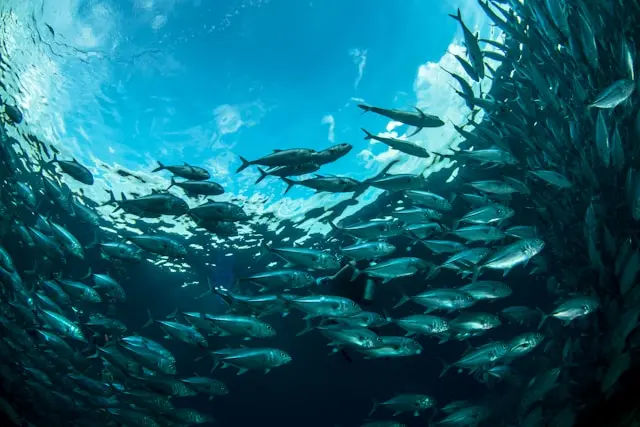
Sur, Oman's historic coastal gateway on the Arabian Sea, is receiving the largest infrastructure investment its fisheries sector has ever seen. The Sur Industrial City fisheries zone Phase 2 expansion, scheduled for commissioning in Q2 2026, adds 12 hectares of dedicated seafood processing plots with integrated wastewater treatment and EU-standard cold storage. Two local firms are undergoing EU health mark audits that could open European markets to Sur-processed seafood for the first time. On paper, the transformation from artisanal fishing hub to industrial processing centre is well underway.
The problem sits between the infrastructure and the outcome. Sur's processing firms cannot fill the technical roles required to operate the facilities being built for them. Cold chain logistics engineers carry a 35% vacancy rate. HACCP quality assurance managers take an average of 6.5 months to hire. Marine biologists with stock assessment capability number fewer than 150 qualified Omani nationals in the entire country. The infrastructure is arriving on schedule. The workforce to run it is not.
What follows is an analysis of the structural mismatch between Sur's investment trajectory and its talent supply, the forces pulling qualified professionals away from the city, and what organisations operating in this market must understand before their next critical hire. The gap between capital investment and human capital in Sur's seafood processing cluster is not closing on its own. It is widening at precisely the seniority levels where it matters most.
The Infrastructure Is Industrial. The Fleet Is Not.
Sur Industrial City's OMR 45 million investment in processing infrastructure is designed for throughput of 100 or more tonnes per day. The facilities assume a steady, industrial-scale supply of raw material flowing from landing to processing without interruption. This is the architecture of a modern seafood processing hub, and it is being built in a city where the fleet that feeds it consists of 742 artisanal vessels averaging 8 to 12 metres in length.
This is the central tension in Sur's fisheries economy in 2026. The investment has outpaced the supply chain it depends on. The fleet shrank from 815 licensed vessels in 2019 to 742 as of late 2024. Landings for 2024 were projected at 42,000 to 45,000 metric tonnes, an 8% decline year-on-year driven by sardine stock fluctuation in the Arabian Sea. Even the optimistic recovery scenario from the Ministry of Agriculture, Fisheries and Water Resources projects 48,000 to 52,000 tonnes for 2026, contingent on the implementation of trawling restrictions in the Gulf of Masirah that have not yet taken effect.
A Processing Hub Without Enough Fish
The arithmetic is stark. New processing capacity designed for 100-plus tonnes daily implies an annual throughput need well beyond what the current fleet can consistently deliver. Unless Sur becomes a landing hub for distant-water fleets or the artisanal fleet industrialises rapidly, the new facilities face utilisation challenges from day one. Current fisheries management policies restrict foreign vessel access to Omani waters, which means the distant-water solution conflicts directly with regulatory reality.
Seasonal Pressure Compounds the Problem
The Indian Ocean Dipole climate pattern causes 30 to 40% year-on-year fluctuation in pelagic landings. During peak season from September to March, the Sur Fish Market already operates at 140% of designed capacity, handling 120 to 150 tonnes daily with only 45 tonnes of ice-making capacity. During lean months, processing plants face idle capacity and workforce retention challenges. This variability makes it difficult for processing employers to offer the stable, year-round employment contracts that attract and retain skilled technical staff.
The leaders being hired to run these new facilities are not walking into a straightforward operational role. They are walking into a structural gap between the investment thesis and the raw material reality. That gap shapes every hiring decision downstream.
Where the Talent Gaps Are Most Acute
Sur's fisheries value chain directly employs an estimated 3,800 to 4,200 people. The overwhelming majority are fishermen: 3,100 registered crew members, 98% of whom are Omani nationals meeting Omanization requirements. At the processing and logistics level, 650 workers split roughly 62% Omani and 38% expatriate. Only 150 positions sit in administrative, technical, and managerial categories.
It is at this narrow technical and managerial apex where the shortages are most damaging. Three role categories define the constraint.
Cold Chain Logistics Engineers
The commissioning of new super-freezing facilities rated to minus 40 degrees Celsius requires refrigeration technicians and logistics engineers with specific certifications. The vacancy rate for these roles in Sur stands at an estimated 35%, according to the Oman Society of Engineers Labour Market Analysis. Candidates need both GCC driving licences and refrigeration technician certification. Specialised cold chain technical roles in the SURIC cluster typically remain vacant for 180 to 270 days. Employers are reportedly offering salary premiums of 25 to 35% above 2022 baselines to secure candidates with EU hygiene regulation experience.
Sur currently lacks blast-freezing capacity above minus 30 degrees Celsius and has no containerised reefer or minus 60 degrees Celsius tuna freezing capability. High-value catch must be trucked 300 kilometres to Muscat for freezing. The entire export capability upgrade depends on filling these engineering roles locally.
HACCP Quality Assurance Managers
Only two Sur-based firms currently hold HACCP certification for export to GCC markets. None are EU-approved. The two firms pursuing EU health mark approval, Al Jazeera Food Industries and Sur Seafood Processing LLC, need qualified QA managers to pass audit. Sur-based employers report an average 6.5 months to fill these positions, compared to 2.1 months for general management roles. That ratio, more than three to one, tells the story of a talent market where conventional recruitment methods consistently fall short.
An estimated 75 to 80% of qualified HACCP professionals in Oman are passively employed, with average tenure of 4.2 years in their current role. Only targeted, direct approaches reach these candidates. Job postings do not.
Marine Biologists and Fisheries Scientists
Demand for marine biologists with stock assessment and aquaculture feasibility expertise is increasing as development accelerates along the adjacent Barr Al Hikman peninsula. The qualified pool of Omani nationals is estimated at fewer than 150 nationally. Virtually all employment changes in this discipline occur through targeted headhunting rather than applications. Only 15 to 20% of qualified refrigeration engineering specialists actively apply to posted vacancies. For marine biologists, the active application rate is effectively zero.
This is the market reality that shapes every search in Sur's fisheries sector. The candidates who matter most are not looking. The infrastructure investment that creates demand for them does not simultaneously create supply.
The Omanization Paradox: Employment Success Masking Export Failure
Here is the analytical point that aggregate employment data obscures. Sur's fisheries sector has been lauded for its Omanization achievement. Fishing crews are 98% Omani, well above mandated thresholds. Government statistics show sector employment growing. On paper, this is a success story.
Beneath the headline numbers, a paradox is operating. The same Omanization policies that produced 98% national employment in fishing crews have created acute shortages in the specialised processing roles where Omani graduate output is insufficient. Ministerial Decision 2024/38 mandates 40% Omani workforce participation in processing by January 2026, up from 25%. Sur employers report difficulty meeting this target in technical roles because the skills simply do not exist in adequate numbers among Omani graduates.
The consequence is measurable. Sur accounts for approximately 18% of Oman's raw marine landings by volume. Yet it represents less than 5% of processed seafood exports by value. The gap between those two numbers is a direct expression of the skills deficit. Raw material lands in Sur. Value-added processing happens elsewhere, primarily in Muscat, where the qualified QA managers, cold chain engineers, and technical directors overseeing multi-jurisdictional compliance are concentrated.
The Omanization success in fishing crews and the export competitiveness failure in processing are not separate issues. They are two expressions of the same structural mismatch: a workforce policy designed for volume employment applied to a sector that now needs specialist capability. Employment generation metrics look strong. Value-added metrics remain flat. Senior leaders hiring into this market need to understand both numbers, not just the one that appears in government press releases.
Compensation: What Roles Pay and Why Sur Loses
Compensation in Sur's fisheries sector follows a pattern familiar to any secondary city competing against a national capital and regional hub. Sur pays less. The question is how much less, and whether the gap is closing.
At senior specialist and manager level, cold storage operations managers earn OMR 1,800 to 2,400 monthly in Sur. HACCP quality managers command OMR 2,000 to 2,800. Fleet managers running industrial vessel operations earn OMR 2,200 to 3,200. These are competitive within Oman's regional economy but trail Muscat equivalents by 20 to 25%.
At executive level, the gaps widen further. A supply chain director accountable for multi-site cold chain operations earns OMR 3,500 to 5,000 monthly, with performance bonuses tied to spoilage reduction. A technical director overseeing regulatory compliance across multiple export jurisdictions earns OMR 4,000 to 6,000. Chief operating officers of publicly listed fishing and processing companies earn OMR 5,000 to 8,000 monthly.
These executive compensation bands represent a 15 to 20% discount to equivalent roles in Dubai, according to the Cooper Fitch GCC Salary Guide 2024. For a COO-level candidate weighing Sur against a UAE-based agribusiness group, the compensation gap reaches 40 to 60%.
The Bifurcated Candidate Market
This compensation gap does not affect all candidates equally. It creates two distinct pools. UAE-based opportunities attract multinational careerists seeking maximum compensation and international career trajectory. Sur-based roles attract family-focused Omani nationals who value autonomy, lower living costs, and proximity to extended family networks. Both pools are real. But they are not interchangeable.
The practical implication for employers is that salary negotiation in this market operates on two different logics simultaneously. For candidates in the UAE-attracted pool, matching compensation is the starting requirement. For candidates in the Sur-attracted pool, the value proposition centres on quality of life, role scope, and housing allowances. Recruitment consultants indicate Sur employers offer relocation packages including housing allowances of OMR 300 to 500 monthly above standard to attract QA managers from Muscat facilities.
Employers who apply a single compensation framework to both candidate types will consistently lose the candidates they most need.
Three Cities Pulling Talent Away from Sur
Sur does not compete in isolation. Three geographic competitors draw from the same talent pool, each with a distinct advantage that Sur must counter differently.
Muscat: The Gravitational Centre
The capital draws 60 to 70% of fisheries sector technical talent away from Sur. The premium is not just financial: Muscat offers international schooling, superior healthcare, and more structured career progression. Muscat-based processing firms like Oceanic and Al Fairuz offer pathways to European health mark standards, while Sur has offered limited advancement beyond national compliance levels until now.
The SURIC expansion and EU certification push could change this dynamic. For the first time, Sur will be able to offer QA professionals a career path that leads to European export capability. This is a material shift in the value proposition. But it only works if employers articulate it clearly during the search process. A candidate in Muscat considering a move to Sur needs to understand the trajectory, not just the role.
[Salalah](/salalah-oman-executive-search): The Tax-Free Alternative
Salalah Free Zone offers tax-free salary structures unavailable in Sur. Omani engineering graduates often prefer Salalah's lower cost of living and proximity to development projects along the Yemen border. For cold chain engineers specifically, the competition from Salalah is particularly acute because the free zone hosts its own logistics and cold storage operations that employ the same skill sets.
The UAE: Premium Compensation at Scale
For VP-level and executive roles, Dubai and Abu Dhabi represent the primary competition. Agribusiness groups based in the UAE offer not only higher compensation but also international exposure, larger teams, and more complex operational mandates. The 40 to 60% premium is difficult for Sur employers to counter on compensation alone.
The counter-argument that works: Sur offers greater autonomy, direct operational control, and the opportunity to build something from the ground up during a transformational investment phase. For the right candidate, this is more compelling than a higher salary in a mature operation. The challenge is finding that candidate before a UAE recruiter does.
What Hiring in This Market Actually Requires
The data makes one point repeatedly and from multiple angles. Conventional recruitment does not work in Sur's fisheries sector for the roles that matter most.
When 75 to 80% of qualified HACCP professionals are passive, posting a role on a job board reaches at most one in five potential candidates. When marine biologists change employers exclusively through targeted approaches, a posted vacancy reaches none of them. When cold chain engineers move through referral networks and only 15 to 20% actively apply to vacancies, the visible candidate market is a fraction of the real one.
The implication is not that Sur employers need to post more aggressively or offer larger salaries. The implication is that the search methodology itself must change. These roles require direct identification of qualified professionals in their current positions, followed by a structured approach that addresses the specific concerns of relocating to a secondary city: housing, family infrastructure, career progression, and role autonomy.
The EU certification timeline adds urgency. Al Jazeera Food Industries and Sur Seafood Processing LLC are targeting EU health mark approval by Q4 2026. That audit process requires qualified QA leadership in place months before the audit date. A 6.5-month average time to fill for these roles means the search window is already narrowing. Employers who begin their QA leadership search in mid-2026 will not have a candidate in place in time.
The Omanization Constraint on Search Strategy
The processing sector's 40% Omanization requirement effective January 2026 further narrows the search. For every technical role that must be filled by an Omani national, the candidate pool contracts from an already-small regional talent market to an even smaller national one. Employers cannot simply recruit internationally for these positions without exceeding their expatriate quota.
This creates a specific requirement for talent pipeline development rather than reactive hiring. Organisations operating in Sur need to know who the qualified Omani cold chain engineers are, where they currently work, and what proposition would move them, before the role opens. By the time a vacancy is posted, the candidates who could fill it under Omanization requirements have already been identified and approached by competitors.
The cost of getting this wrong extends beyond the unfilled role. Processing firms that fail to meet Omanization targets face licensing restrictions. Firms that miss their EU audit window lose another year of potential export revenue. The financial consequences of a prolonged search in this market are compounding, not linear.
What Comes Next for Sur's Seafood Sector
Sur's fisheries sector sits at a turning point that is rare in secondary-city economies. The infrastructure investment is committed. The regulatory pathway to EU export markets is open. The demand for processed Omani seafood in European and GCC markets is real. Every precondition for a successful transformation is in place except one: the people to execute it.
The original synthesis this analysis points toward is not simply that there is a shortage. It is more specific than that. The OMR 45 million infrastructure investment has not reduced Sur's workforce problem. It has replaced one kind of workforce problem with another. Sur previously needed fishermen. It now needs refrigeration engineers, QA directors, and supply chain leaders who do not yet exist in sufficient numbers within Oman's borders. Capital moved faster than human capital could follow, and the gap is widest at exactly the seniority levels where a single unfilled role can delay an entire facility's commissioning.
For organisations competing for technical and executive leadership in Oman's fisheries and food processing sector, where the qualified candidates are overwhelmingly passive, geographically dispersed across three competing cities, and constrained by Omanization quotas that limit international recruitment, the conventional search process is not equipped for the task. KiTalent's AI-enhanced direct search methodology identifies and approaches the candidates who are not visible on any job board, delivering interview-ready shortlists within 7 to 10 days. With a 96% one-year retention rate across 1,450-plus executive placements globally, the approach is built for exactly this kind of market: small candidate pools, high stakes, and no margin for a failed search.
If your organisation is hiring cold chain leadership, QA directors, or senior operations executives for Oman's seafood processing expansion, start a conversation with our executive search team about how we map and reach this market's most qualified candidates before your competitors do.
Frequently Asked Questions
What are the biggest hiring challenges in Sur, Oman's seafood processing sector?
The three most acute shortages are cold chain logistics engineers (35% vacancy rate), HACCP quality assurance managers (6.5 months average time to fill), and marine biologists with fisheries stock assessment expertise (fewer than 150 qualified Omani nationals nationally). These roles are critical because Sur's new EU-standard processing infrastructure requires technical leadership to operate and certify. Conventional job postings reach fewer than 20% of qualified candidates in these disciplines. The remainder are passively employed and can only be reached through direct executive search approaches.
What do cold chain and quality assurance managers earn in Sur, Oman?
Cold storage operations managers in Sur earn OMR 1,800 to 2,400 monthly. HACCP quality managers earn OMR 2,000 to 2,800. At executive level, supply chain directors earn OMR 3,500 to 5,000 and technical directors overseeing multi-jurisdictional compliance earn OMR 4,000 to 6,000. These figures trail Muscat equivalents by 20 to 25% and Dubai equivalents by 40 to 60%, though Sur roles often include housing allowances of OMR 300 to 500 monthly and offer greater operational autonomy.
How does Omanization affect hiring in Oman's fisheries sector?
Ministerial Decision 2024/38 requires processing firms to achieve 40% Omani workforce participation by January 2026, up from 25%. While fishing crews already exceed 98% Omanization, the processing sector faces critical skills gaps in technical roles where Omani graduate output is insufficient. Employers cannot resolve shortages through international recruitment without exceeding expatriate quotas, making proactive talent mapping of qualified Omani professionals essential.
Why is Sur's seafood processing sector growing despite fleet decline?
Sur Industrial City's Phase 2 expansion is adding 12 hectares of EU-standard processing capacity, and two firms are pursuing EU health mark certification expected by Q4 2026. However, the artisanal fleet has shrunk from 815 to 742 vessels since 2019, and landings declined 8% in 2024. This creates a structural tension between processing capacity investment and raw material supply that hiring leaders and investors in this sector must factor into workforce planning.
How can employers attract technical talent to Sur from Muscat or the UAE?
Sur cannot compete with Muscat or Dubai on compensation alone. Successful recruitment strategies emphasise role autonomy, the career development opportunity of building EU-certified operations from the ground up, and quality-of-life benefits including lower living costs and housing allowances. KiTalent's approach to this market uses AI-powered talent mapping to identify passive candidates in competing cities and structure propositions around the specific motivators that apply to each candidate profile, rather than relying on salary alone.
What is the outlook for Oman's seafood export market in 2026?
Sur's first EU-export-capable processing capacity is anticipated by Q4 2026, pending health mark approval for Al Jazeera Food Industries and Sur Seafood Processing LLC. Landings are forecast to recover to 48,000 to 52,000 metric tonnes, contingent on trawling restrictions in the Gulf of Masirah. The EU Commission's continued monitoring of Oman's IUU fishing controls introduces regulatory uncertainty. Success depends on whether processing firms can hire the QA leadership and cold chain engineers needed to pass certification audits within the available timeline.