

Bergens maritime klynge ansetter for erfaring som ennå ikke finnes
Bergens maritime sektor avsluttet 2025 med 1 420 åpne stillinger på tvers av klyngen av rederier, offshore supply og subsea tjenesteselskaper. Dette tallet representerer en...
Bergen, Norge Executive Search
KiTalent bringer sektorspesifikk innsikt og direkte headhunting-kapasitet til søk på toppledernivå i hele Bergen.
dager til kvalifiserte kortlister i mange søk
av relevant passivt talent nådd gjennom direkte headhunting
raskere tid til ansettelse enn tradisjonelle benchmarks for executive search
ettårsretensjon fra KiTalents bredere metodikk
Dette er KiTalents dokumenterte resultater referert på tvers av våre sentrale sider om selskapet, tjenester og metodikk. about, services, and methodology pages.
Bergens arbeidsledighet på 2,8 % forteller deg hvem som er tilgjengelig – ikke hvem som er ansettbar. Lederne som driver byens havvindsatsinger, akvakulturinnovasjon og maritime digitale transformasjon, er forankret i organisasjoner som konkurrerer om identisk kompetanse fra en uvanlig smal pool. Standardmetoder gir kandidater som allerede er synlige. Lederne som omformer Bergens blå økonomi er det ikke.
Bergens BNP på omtrent 185 milliarder kroner hviler på sektorklynger som henter fra den samme basen av ingeniør-, digital- og kommersiell ledelse. Et undervannsteknologiselskap på Ocean Innovation Campus, en flytende havvind-utvikler i Ågotnes og en akvatech-startup på Damsgård konkurrerer alle om skipsarkitekter, fullstack-utviklere med maritim domenekunnskap og prosjektdirektører som forstår operasjoner under krevende forhold. Overlappet er ikke tilfeldig – det er strukturelt. Når Kongsberg Maritime, Aibel, Mowi og en bølge av tyske og skotske havvind-aktører alle trenger seniore tekniske ledere samtidig, tømmes det synlige kandidatmarkedet raskt.
Seniore havvindingeniører i Bergen tjener mellom 1,2 og 1,4 millioner kroner årlig. Teknologilønninger ligger omtrent 12 % under Oslo, men Bergens livskvalitetsfortrinn og kortere pendleravstander skaper en retensjonsdynamikk som lønnsdata alene ikke fanger opp. For executive search betyr dette to ting. For det første er det usannsynlig at en kandidat som tjener 1,3 millioner kroner vil flytte for 1,4 millioner med mindre selve rollen er vesentlig annerledes. For det andre vil en Oslo-basert rekrutterer som legger Oslo-kompensasjonslogikk til grunn, feilkalibrere tilbud og miste kandidater i sluttfasen. Å treffe riktig krever markedsbenchmarking forankret i Bergens spesifikke avveininger mellom inntekt, livsstil og karriereutvikling.
Bergens ledermiljø er tett sammenvevd. Byens maritime, energi- og sjømatklynger er forankret i institusjoner som NHH Norges Handelshøyskole, NCE Seafood Innovation Cluster og GCE Ocean Technology. Folk kjenner hverandre. En dårlig håndtert søkeprosess, et tilbud som trekkes uten forklaring, eller en klønete tilnærming til en passiv kandidat forblir ikke privat – det sirkulerer gjennom kontorene på Marineholmen, styrerommene i Sentrum og NHH-alumninettverkene i løpet av dager. I dette miljøet betyr kvaliteten på søket like mye som resultatet. Det er derfor Go-To Partner-tilnærmingen eksisterer: for å beskytte klientens Employer Branding mens man når de skjulte 80 % av passive kandidater som konvensjonelle metoder aldri fanger opp.
Bergen er ikke én talentpool. Det er et nettverk av sammenkoblede sektormiljøer, hvert med sitt eget fagspråk, sine kompensasjonsnormer, sin konkurransedynamikk og kandidatmotivasjon. Effektivt søk krever forståelse for hvilket miljø en rolle tilhører – og hvor grensene mellom miljøene skaper muligheter.
Lederskap innen undervannsystemer, programdirektører for autonome fartøy og digitale tvilling-arkitekter for Norges globale maritime klynge.
Prosjektdirektører for flytende havvind, infrastrukturledere for ammoniakkbunkring og dekomisjoneringsledelse for energiomstillingen i Nordsjøen.
C-suite innen akvakultur, teknologiledere for sjømatsporing og internasjonale kommersielle direktører for Bergens eksportsektor på 42 milliarder kroner.
Grunnleggere og CTOer innen maritim SaaS, ledere innen geospatial dataanalyse og AI-infrastrukturdirektører for Bergens voksende datasenterøkosystem.
CEOer for marine bioaktive spin-outs, digitale helseledere fra Haukeland universitetssykehus-økosystemet og kommersialiseringsdirektører innen bioteknologi.
AUV-programdirektører, kommersialiseringsledere for sensorteknologi og industrielle automasjonsarkitekter for offshore- og akvakulturanvendelser.
Bergens marked for executive search er sterkest der den økonomiske spesialiseringen er dypest.
Bergens maritime teknologiklynge er ikke en gammel sektor som ruller på momentum – det er et globalt senter for undervannsteknologi, autonome undervannsfartøy og digital tvilling-applikasjoner for skrog- og flåtestyring. Kongsberg Maritime sysselsetter over 1 200 mennesker i Bergen. Wärtsilä Norway, DNV Maritime Advisory og Aker Solutions' karbonfangstdivisjon har alle betydelig virksomhet her.
Lederrekruttering innen KI...digital infrastruktur · Lederrekruttering innen skipsbygging og maritim næring
8,5 milliarder kroner i leverandørkjedeforpliktelser for Sørlige Nordsjø II-prosjektet strømmer gjennom bergensbaserte ingeniørfirmaer. Aibel, Seatrium (tidligere Sembcorp Marine) og den 130 medlemmer store GCE Ocean Technology-klyngen utgjør kjernen i Norges flytende havvind-leverandørkjede. Ågotnes industriområde i Øygarden er den primære mobiliseringshavnen for flytende havvindkomponenter.
Bergen genererer 42 milliarder kroner i årlig sjømateksportverdi. Mowi ASA, verdens største oppdrettsselskap, har hovedkontor her, sammen med Lerøy Seafood Group og Salmon Evolution. NCE Seafood Innovation Cluster, samlokalisert med NHH, driver utvikling av presisjonsforingsalgoritmer og lukkede oppdrettssystemer.
VIS Innovation støttet 78 teknologistartups i 2025, der fintech og klimatech utgjorde 60 % av nye registreringer. Telenor Norway har hovedkontorvirksomhet i Bergen. Vizrt leder innen medieteknologi.
Bergens ledermarked er i økende grad internasjonalt. Tyske og skotske havvindutviklere etablerer nordiske hovedkontorer. Undervannsingeniører beveger seg mellom Bergen, Stavanger, Aberdeen og Singapore.
Selskaper trenger sjelden bare rekkevidde i Bergen. De trenger fortolkning, kalibrering og en søkearkitektur som gjenspeiler markedets faktiske struktur.
Teamet vårt koordinerer Bergen-oppdrag fra vårt europeiske hovedkvarter i Turin, med direkte tilgang til talentinnsikt, kompensasjonsdynamikk og sektorutvikling som påvirker søkeresultatene.
De sterkeste lederne i Bergen er passive. Vår direkte headhunting-tilnærming engasjerer de skjulte 80% av passivt talent gjennom diskret oppsøkende arbeid forankret i reell markedskunnskap.
Vår metodikk for parallell kartlegging betyr at vi allerede har oppdatert innsikt om restruktureringer, overgangsvinduer, kompensasjonsmønstre og muligheter for kandidattiltrekning når et oppdrag kommer inn.
I Bergen strekker kostnadene ved en feilansettelse på ledernivå seg langt utover rekrutteringshonoraret. Vår intervjuhonorar-modell lar kunder se reell markedsrespons og kvalifiserte kandidater før hoveddelen av investeringen er forpliktet.
Relaterte geosider der dette markedet har tydelig kommersiell konsentrasjon eller kandidattyngde.
Drammen er Norges grønne industrielle prøvearena: en by der ligninbioraffinerier, hydrogenbunkeringsinfrastruktur og AI-optimalisert produksjon møtes førti minutter fra Oslo.…
Sør-Norges hovedstad for energiomstilling, der kompetanse innen undervanns-ingeniørfag omdirigeres fra oljeservice til flytende havvind, batterimaterialer og cleantech-produksjon.…
Oslo konsentrerer Norges mest verdifulle bedriftsfunksjoner: energihandel og fornybarutvikling, kapitalmarkeder og maritim finans, klimateknologi og AI-scaleups, og en voksende…
Stavanger er der Europas energiomstilling tar form. Byen som bygde Norges offshoreoljeindustri, leder nå kontinentets mest avanserte klynge for karbonfangst og -lagring, flytende…
Disse ressursene gir dypere markedsinnsikt og forklarer hvordan KiTalent omsetter innsikt til en raskere og mer transparent søkeprosess.
Bergens maritime sektor avsluttet 2025 med 1 420 åpne stillinger på tvers av klyngen av rederier, offshore supply og subsea tjenesteselskaper. Dette tallet representerer en...
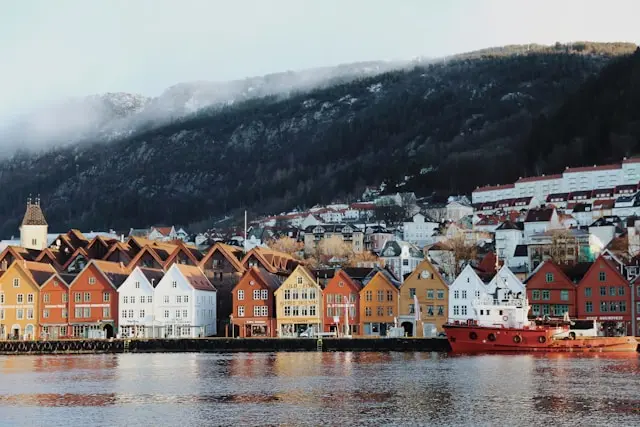
Bergen håndterte flere cruisepassasjerer i 2024 enn på noe tidspunkt siden pandemien startet. Selskapene som driver fjordturer rapporterte tosifret vekst i produkter innen...
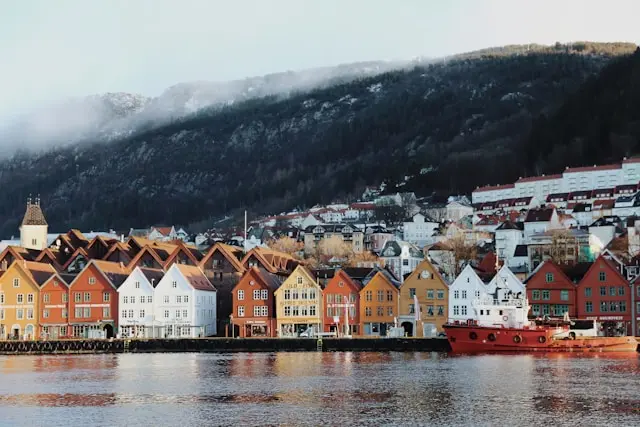
Bergen ligger i sentrum av denne økonomien. Mowi ASA og Lerøy Seafood Group, med hovedkontor bare få kilometer fra hverandre, produserer til sammen rundt 45 % av verdens...
Bruk disse sidene til å navigere mellom overordnede markeder, sektorsider og støtteartikler.
Dette er spørsmålene som er tettest knyttet til hvordan executive search faktisk fungerer i Bergen.
Bergens arbeidsledighet på 2,8 % og konsentrerte blå økonomi betyr at seniorlederne selskapene trenger, nesten uten unntak er ansatt og ikke aktivt på utkikk etter nye roller. Stillingsannonser og interne rekrutteringsteam når det synlige markedet. Executive recruiters finnes for å nå de 80 % av høytpresterende fagfolk som ikke er synlige. I Bergen, der undervannsteknologi, flytende havvind, akvakultur og maritim SaaS konkurrerer om den samme begrensede ledertalentmassen, er et executive search-selskap med forhåndseksisterende markedsinnsikt og direkte headhunting-kapasitet forskjellen mellom å ansette den sterkeste tilgjengelige kandidaten og den som tilfeldigvis er på utkikk.
Oslo er et bredere, mer likvid marked med dypere talentpooler på tvers av finanstjenester, teknologi og forbrukersektorer. Bergen er smalere og dypere. Talentet er konsentrert innen maritim, energi, sjømat og havteknologi, med betydelig overlapp mellom klyngene. Kompensasjonsdynamikken skiller seg vesentlig: Bergen-lønninger ligger omtrent 12 % under Oslo innen teknologi, men tilbyr livsstilsfordeler som fungerer som ikke-monetær kompensasjon. En søketilnærming kalibrert for Oslo vil systematisk feiltolke Bergens kandidatmotivasjon og kompensasjonsforventninger.
Hvert Bergen-søk er forankret i kontinuerlig talent mapping på tvers av byens kjernesektorer. Før et oppdrag starter, har vi allerede innsikt i lederbevegelser hos store arbeidsgivere som Kongsberg Maritime, Mowi, Aibel og Ocean Innovation Campus-økosystemet. Vi engasjerer kandidater gjennom direkte, sektorinformert kontakt som demonstrerer troverdighet innen deres spesifikke domene. Hvert søk produserer et omfattende markedskart sammen med kandidat-shortlisten, slik at klienten får et komplett bilde av talentmiljøet.
Vår standard er 7 til 10 dager fra oppdragsbekreftelse til en kvalifisert shortlist med intervjuklare kandidater. I Bergen er denne hastigheten mulig fordi vi kartlegger byens talentmarkeder kontinuerlig i stedet for å starte fra scratch med hvert oppdrag. For grenseoverskridende roller som krever skanning av Aberdeen, Rotterdam eller andre maritime sentre i tillegg til Bergen, kan tidslinjen bli noe lengre, men den forblir vesentlig raskere enn bransjegjennomsnittet.
Skiftet fra offshore oljeservice til flytende havvind og maritim dekarbonisering omformer lederprofilen bergensarbeidsgivere trenger. Tradisjonelle olje- og gasstjenester utgjør nå mindre enn 18 % av privat sektors verdiskaping, ned fra 28 % i 2018. Roller som prosjektdirektør for flytende havvind, infrastrukturleder for ammoniakkbunkring og Chief Sustainability Officer med Scope 3-ekspertise eksisterte knapt for fem år siden. Talentet for disse rollene kommer ofte fra tilgrensende sektorer, noe som krever en søkemetodikk som identifiserer overførbar kompetanse på tvers av klyngegrenser i stedet for å søke innenfor én enkelt bransjesilo.
Bergens markedsforhold krever en søkemetodikk bygget på forhåndseksisterende innsikt, direkte kandidatengasjement og grundig markedsanalyse. KiTalent leverer dette fra vårt europeiske hovedkontor i Torino, med konsulenter som forstår nordiske arbeidsmarkeder, norske kompensasjonsstrukturer og den spesifikke dynamikken i talentpooler innen blå økonomi.
Hva vi tilfører Bergen-oppdrag på ledernivå:
Executive search og direkte headhunting · Talentkartlegging og markedsinnsikt · Kompensasjonsbenchmarking og oppdragskalibrering · Tilknytning til KiTalents europeiske hovedkvarter i Turin og vårt internasjonale executive search-nettverk.
Enten dere har et pågående oppdrag eller ønsker å kvalitetssikre et mandat før dere går til markedet, er dette riktig sted å starte samtalen.
Utarbeidet og lokalisert av KiTalent Research. Basert pa lokal markedsinnsikt og executive-search-data. Gjennomgatt av KiTalent Research Team.
Share your CV and a sentence on the mandate types you'd consider. We respond within five working days.