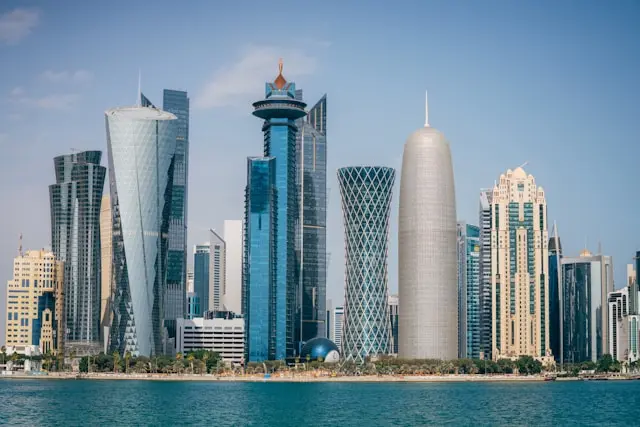
Doha Construction in 2026: A Sector in Contraction That Cannot Fill Its Most Critical Roles
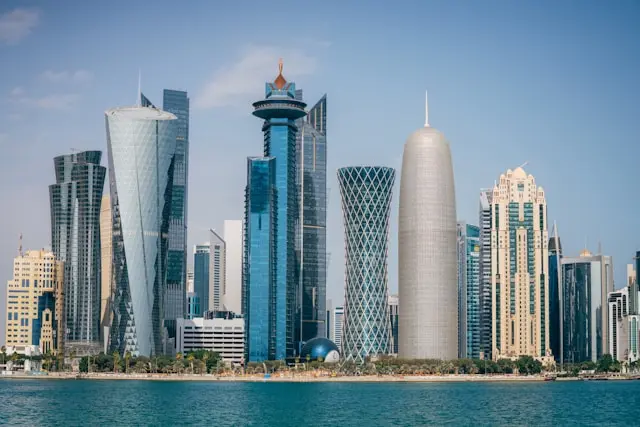
Doha's construction sector shed 3.6 percentage points of its share in non-hydrocarbon GDP between the pre-World Cup peak and late 2024. Fixed capital formation in construction dropped 12% year-on-year in the second quarter of that year. By every headline measure, this is a market in retreat. Contractor revenues fell. Project pipelines shortened. The stadium-building workforce dispersed across the Gulf or returned home.
Yet a Senior Project Director role at a Lusail-based contractor sat open for more than five months last year. BIM Manager vacancies in Doha increased 47% year-on-year while the qualified candidate pool grew just 12%. One developer reportedly relocated a sustainability specialist from Dubai with a full family package covering school fees, an arrangement unusual enough to signal genuine desperation. The contraction is real. So is the shortage. Both are happening at the same time, in the same city, within the same sector.
What follows is an analysis of why Doha's construction market has split into two distinct hiring realities, who the winners and losers are in each, and what organisations delivering Qatar National Vision 2030 projects need to understand before they attempt their next senior search.
The Post-World Cup Correction Was Inevitable. Its Shape Was Not.
Qatar's GDP growth moderated to approximately 2.1% in 2024, down from 3.9% the year before. Construction's contribution to non-hydrocarbon GDP fell from 14.8% before the World Cup to 11.2% by late 2024, according to IMF Article IV Consultation data. The correction was widely anticipated. Hosting a mega-event requires years of accelerated capital expenditure followed by a reversion to baseline activity. Every World Cup host in the modern era has experienced a version of this cycle.
What was less anticipated was the specific pattern the correction would take. The standard post-mega-event decline affects construction uniformly. Labour demand falls. Wages compress. Specialists leave for the next boom market. In Doha, the decline has been selective. General construction labour and mid-level engineering roles are oversupplied. The 94% expatriate construction workforce, predominantly South Asian, contracted as stadium and metro projects wound down. Thousands of workers whose skills matched the civil infrastructure phase found no equivalent demand in the city's remaining pipeline.
But the projects that survived the contraction are not the same type of projects that preceded it. The Lusail Museum, a $434 million cultural district anchor. The Hamad International Airport expansion, a $1.2 billion infrastructure package to increase capacity to 70 million passengers. The Al Daayen Health District, a $2.3 billion HMC expansion with specialised cardiac and oncology centres. These are not stadium builds. They require different skills, different leadership profiles, and different hiring methods. The workforce that built the World Cup is not the workforce that will deliver QNV 2030.
This is the analytical core of the Doha construction talent story in 2026: the investment in digital construction, sustainability mandates, and complex mixed-use delivery has not reduced the workforce the sector needs. It has replaced one kind of worker with another that does not yet exist in sufficient numbers. Capital requirements shifted faster than human capital could follow.
Lusail Is No Longer a Construction Site. It Is a Talent Battleground.
Lusail City is the single most important variable in Doha's construction and real estate sector. The $45 billion master-planned city has transitioned from civil infrastructure to its commercial fit-out and hospitality phase, with $1.8 billion in remaining contract value for final infrastructure and smart city systems integration. The transition sounds administrative. It is anything but.
The Smart City Integration Challenge
Smart city systems integration is a fundamentally different discipline from civil works. It requires professionals who understand both physical infrastructure and digital overlay: IoT sensor networks, energy management platforms, integrated security systems, and the data architecture that connects them. Lusail's Innovation Hub is emerging as a cluster for PropTech and smart city technology providers, but the talent to run these implementations at a project management level remains scarce across the Gulf.
The Lusail Development Authority (LDA) interface adds a regulatory layer that further narrows the candidate pool. Contractors working under LDA standards must comply with submission protocols, design review cycles, and approval gates that are specific to this development authority. A project director with 20 years of international experience but no LDA track record faces a learning curve that most contractors cannot afford on a project with a 2026 completion target.
Vacancy Rates Tell One Story. Project Demand Tells Another.
Lusail's Energy City district reported 35% vacancy in commercial towers completed in 2022 and 2023. Residential absorption in Fox Hills and Marina districts reached only approximately 60% by late 2024, according to ValuStrat's Qatar Real Estate Report. An additional 150,000 square metres of Grade A office space was due into the Lusail market through 2025 and 2026, further pressuring rents that had already declined 8 to 12% from 2022 peaks.
These vacancy figures describe a real estate market under stress. They do not describe a construction market without work. The distinction matters. Asset oversupply and development talent scarcity are occurring simultaneously because the projects still under way are high-complexity, high-specification assets that require elite delivery capability. While commodity construction is oversupplied, premium complex project delivery capability remains insufficient to meet QNV 2030 quality standards. This bifurcation creates a two-tier labour market that aggregate construction employment statistics do not capture.
The organisations that understand this distinction will hire differently from those that do not.
Three Roles That Define the Shortage
Doha's construction talent shortage is not general. It is concentrated in three categories where demand has increased or held steady while the qualified candidate pool has either stagnated or actively contracted as professionals left for competing Gulf markets.
Senior Project Directors with Qatar Regulatory Depth
This is the most constrained role category. The requirement is specific: 15 or more years of experience, proven track record managing FIDIC Yellow and Silver Book contracts under Qatari legal interpretations, and direct working relationships with ASHGHAL, Civil Defense, and Kahramaa. These regulatory interfaces are not transferable from other Gulf markets. A project director who has managed comparable-scale projects in Dubai or Riyadh does not automatically know how to secure ASHGHAL infrastructure approval or manage Kahramaa compliance for high-voltage substations.
The search pattern reported across Lusail-based contractors in 2024 was consistent: Senior Project Director roles requiring LDA interface experience remained unfilled for five to eight months. According to Construction Week Middle East's industry survey, at least one major contractor restructured its reporting lines entirely, splitting a Lusail Museum project leadership role between two senior managers rather than continuing to search for a single appointee. This is not cost optimisation. It is an accommodation of a search failure.
Compensation for these roles ranges from QAR 55,000 to 85,000 per month ($15,100 to $23,400), plus housing allowances of QAR 8,000 to 15,000 and a vehicle. An estimated 85% of qualified candidates are passive, employed on long-term infrastructure retainers and unreachable through advertised vacancies.
BIM and Digital Construction Managers
Qatar's mandatory BIM Level 2 requirements for government projects, codified in ASHGHAL's 2023 BIM Standards, created demand that the local talent pool was not prepared to meet. The mandate is clear: all government-funded projects must use BIM Level 2 workflows. The talent to deliver it is not.
BIM Manager roles requiring both Autodesk Revit and Navisworks expertise and knowledge of Qatar Civil Defense digital submission protocols typically remained vacant for four to six months through 2024. Aggregate job postings for BIM roles in Doha increased 47% year-on-year, according to LinkedIn Economic Graph data, while the qualified candidate pool grew only 12%. The gap between demand growth and supply growth is widening, not narrowing.
At the senior end, Head of Digital Construction and BIM Director roles command QAR 35,000 to 55,000 per month. Senior BIM Managers with Qatar government project experience are 75% passive, motivated by specific technology mandates such as digital twin implementation rather than salary alone. The junior end of the market is different: BIM technicians at lower levels are 60% active job seekers, creating a misleading impression of market availability when recruiters search broadly rather than precisely.
QSAS Sustainability Specialists
The Qatar Sustainability Assessment System has moved from aspiration to enforcement. New government buildings require QSAS certification, and retrofit mandates for existing government stock are expected to drive $400 to 600 million in green retrofit contracts between 2025 and 2027, according to the Qatar Green Building Council. The professionals who can deliver this certification bridge international green building standards (LEED, BREEAM) with Qatar-specific climate adaptation requirements: heat island mitigation, dust control, and TSE systems design for a climate where summer temperatures routinely exceed 45°C.
This combination of international certification knowledge and local climate engineering is rare. Sustainability Manager roles requiring both QSAS 4-star certification experience and local climate adaptation expertise remained open for three to five months through 2024. Director-level compensation ranges from QAR 40,000 to 65,000 monthly. Unlike the other two categories, the junior sustainability market is relatively active (60% active seekers), but professionals with five or more years of Qatar-specific sustainability implementation are passive and command retention bonuses.
The scarcity in these three roles is not independent. A major project like the Lusail Museum or a hospital expansion in Al Daayen requires all three competencies within a single delivery team. The probability of filling all three simultaneously through conventional methods is extremely low.
The Gulf Talent War: Why Qatar Is Losing the Middle of Its Pipeline
Doha does not compete for construction talent in isolation. Saudi Arabia and the UAE are drawing from the same expatriate talent pool, and in 2026, Saudi Arabia in particular holds structural advantages that are difficult for Qatari employers to neutralise.
Saudi Arabia's PIF-funded mega-projects, including Neom, Red Sea Global, and Qiddiya, actively recruit Qatar-based Project Directors with salary premiums of 25 to 35% above Doha equivalents, according to Mercer's Total Remuneration Survey for the Middle East. For BIM specialists, Saudi offers at Neom reportedly reach QAR 60,000 or more monthly for roles comparable to QAR 35,000 to 55,000 positions in Doha. The scale of Saudi projects also offers something Doha cannot match at this stage in its development cycle: career visibility. Managing a section of The Line or Oxagon carries a CV weight that managing a fit-out phase in Lusail does not.
Dubai competes differently. Salary premiums for senior construction roles are more modest, typically 10 to 15% above Doha, but the lifestyle proposition is stronger. Established international schools. Spousal employment opportunities in a diversified economy. A more cosmopolitan social environment. A stronger legal framework for foreign business ownership. For European and North American expatriates building long-term Gulf careers, Dubai remains the default destination. Qatar is increasingly viewed as a project-specific posting rather than a career base.
The candidates most vulnerable to poaching are mid-career professionals with five to ten years of Gulf experience. They have proven their ability to work within GCC regulatory frameworks and cultural norms. They are experienced enough to be valuable but not so senior that they are locked into long-term retainers. Saudi recruiters target this segment precisely because these professionals carry proven Gulf cooperation capabilities that eliminate onboarding risk.
For Doha employers, the implication is direct: every senior search now operates within a competitive window. The same candidate your search identifies has likely been approached by a Saudi or Dubai recruiter within the past 90 days.
Structural Constraints That Compound the Hiring Problem
The talent shortage does not exist in a vacuum. It is amplified by a set of systemic constraints specific to Qatar's construction and real estate market in 2026.
Qatarization Pressure on Technical Roles
The Ministry of Commerce and Industry has signalled stricter Qatarization enforcement, with targets for Qatari nationals in "technical supervisory positions" increasing from 30% to 50% by end of 2026. The policy is understandable as a national development objective. Its effect on hiring timelines is material. "Qatarization gates" now require contractors to demonstrate compliance with national employment quotas before receiving project approval, delaying mobilisation.
For executive search in construction and industrial sectors, the Qatarization mandate creates a dual search requirement. Organisations must simultaneously recruit qualified Qatari nationals for designated roles and source expatriate specialists for positions where the local talent pool does not yet exist. Business-level Arabic proficiency is increasingly mandatory for regulatory interface roles, further narrowing the expatriate candidate pool.
Financing Constraints Limit New Project Starts
Qatari banks' exposure to real estate and construction reached 28.4% of total credit in Q2 2024, approaching the 30% regulatory ceiling, according to the Qatar Central Bank Financial Stability Report. Non-performing loan ratios in the construction sector rose to 4.2% over the same period. This concentration risk limits new project financing capacity, particularly for speculative commercial developments in a market where West Bay office vacancy already exceeds 19%.
The financing constraint acts as a throttle on total market volume. It does not, however, reduce the technical complexity of the projects that do get financed. Government-backed QNV 2030 projects proceed regardless of commercial bank appetite. The result is a smaller pipeline of individually more complex projects, each requiring higher-calibre leadership than the volume-driven pre-World Cup build cycle demanded.
Heat Regulations Compress Delivery Schedules
Labour regulations now prohibit outdoor construction work between 10:00 and 15:30 during June through September, under Ministry of Labor Administrative Decision No. 17 of 2023. This five-and-a-half-hour daily prohibition across four months compresses effective construction schedules materially. Project managers must plan for roughly 30% less outdoor productivity during peak summer, which concentrates delivery pressure into the cooler months and increases the premium on effective project leadership that can manage compressed timelines without compromising safety or quality.
These constraints are not temporary. Qatarization will intensify. Bank credit concentration will take years to unwind. Heat regulations will tighten, not loosen, as climate conditions worsen. Every senior hire in Doha construction must be evaluated against this structural backdrop.
What This Means for Hiring Leaders
The conventional playbook for construction recruitment in the Gulf assumes a deep expatriate talent pool accessible through job advertising, regional job boards, and referral networks. In Doha's current market, that playbook reaches at most 15 to 25% of the viable candidate pool for the roles that matter most.
For Senior Project Directors, 85% of qualified candidates are passive. They are employed on long-term retainers with housing, schooling, and vehicle packages that create high switching costs. A job advertisement does not reach them. A LinkedIn InMail does not move them. They are identifiable only through systematic talent mapping that covers every active Lusail, ASHGHAL, and Kahramaa-interface project in Qatar and tracks the professionals leading them.
For BIM and digital construction leaders, the challenge is different but equally resistant to conventional methods. The senior candidates are passive (75%), but even the junior market's apparent accessibility is misleading. A BIM technician with Revit skills and no Qatar Civil Defense digital submission experience does not fill a BIM Manager role that requires both. The search must be precise enough to distinguish between adjacent but non-interchangeable skill sets.
For sustainability specialists, the market is younger and more active at junior levels, but the critical gap sits at five-plus years of Qatar-specific QSAS implementation experience. These professionals are few enough that a retained search firm can realistically map the entire qualified population. A job board cannot.
The cost of a slow search in this market is not merely a vacant role. It is a restructured reporting line that fragments accountability. It is a project milestone missed because the leadership team was incomplete. It is a counteroffer from a Saudi competitor accepted by a candidate who would have moved three months earlier had the process been faster.
KiTalent's model addresses this market specifically. AI-enhanced direct headhunting across the Gulf's construction and real estate talent pool identifies the passive candidates that job boards and referral networks miss. Interview-ready candidates delivered within 7 to 10 days, on a pay-per-interview basis with no upfront retainer, means the competitive window between identifying a candidate and presenting them does not extend long enough for a Saudi or Dubai recruiter to intervene. A 96% one-year retention rate across 1,450 or more executive placements reflects the precision of the match, not just the speed of the process.
For organisations competing for BIM directors, QSAS specialists, and senior project leadership in Doha's post-World Cup market, where the qualified candidate pool is small, predominantly passive, and under active approach from competing Gulf markets, start a conversation with our executive search team about how KiTalent approaches this specific challenge.
Frequently Asked Questions
What is the average salary for a Senior Project Director in Doha's construction sector?
Senior Project Directors and Programme Directors in Doha's construction sector earn between QAR 55,000 and 85,000 per month ($15,100 to $23,400), plus housing allowances of QAR 8,000 to 15,000 and a company vehicle. A premium applies for professionals with direct Lusail Development Authority interface experience. Saudi Arabia's mega-projects currently offer 25 to 35% above these figures, making retention a persistent concern for Doha-based employers. Compensation alone does not secure candidates at this level; project scope, family lifestyle, and long-term career trajectory all factor into the decision.
Why is BIM talent so scarce in Qatar's construction market?
Qatar's mandatory BIM Level 2 requirements for government projects, introduced through ASHGHAL's 2023 BIM Standards, created a demand spike that the existing talent pool could not absorb. Job postings for BIM roles in Doha grew 47% year-on-year while the qualified candidate pool grew just 12%. The specific combination of Autodesk Revit and Navisworks expertise with Qatar Civil Defense digital submission protocol knowledge is rare. Senior BIM Managers with this dual capability are 75% passive, meaning conventional job advertising reaches only a fraction of the available talent.
How does Qatarization affect construction hiring in Doha?
Qatarization targets for technical supervisory positions in construction are increasing from 30% to 50% by end of 2026. Contractors must demonstrate compliance with national employment quotas before receiving project approval, creating "Qatarization gates" that can delay mobilisation. This means organisations must run parallel hiring processes: sourcing qualified Qatari nationals for designated roles while recruiting expatriate specialists for positions where local talent does not yet exist. Business-level Arabic proficiency is increasingly required for regulatory interface positions.
What are the biggest risks of a slow executive search in Doha construction?
The primary risk is losing the candidate to a competing Gulf market before the process concludes. Saudi Arabia's PIF-funded projects actively approach Qatar-based professionals with 25 to 35% salary premiums. A search that takes five to eight months, as Senior Project Director vacancies commonly did through 2024, operates within a window where the strongest candidates receive multiple competing approaches. KiTalent's executive search methodology delivers interview-ready candidates within 7 to 10 days, compressing the window in which competitors can intervene.
Is Doha's construction market growing or declining in 2026?
Both, depending on which segment you examine. Aggregate construction output declined following World Cup completion, with the sector's share of non-hydrocarbon GDP falling from 14.8% to 11.2%. However, specialised project activity is growing: the Lusail Museum ($434 million), Hamad Airport expansion ($1.2 billion), Al Daayen Health District ($2.3 billion), and QSAS green retrofit mandates ($400 to 600 million) sustain demand for high-skill contractors. The market has bifurcated between oversupplied commodity construction and acutely constrained specialist delivery.
How can organisations hire passive construction talent in Qatar?
Approximately 85% of qualified Senior Project Directors and 75% of senior BIM Managers in Qatar are passive candidates. They do not respond to job advertisements or recruiter outreach through standard channels. Reaching them requires proactive talent pipeline development: mapping every active project at the relevant complexity level, identifying the professionals leading them, and presenting a proposition specific enough to justify the disruption of moving. KiTalent's AI-enhanced direct headhunting reaches this passive majority through systematic market intelligence rather than advertising volume.