Hong Kong's Cargo and Greater Bay Trade Network Needs Operators Who Can Run Regional Complexity, Not Just Local Throughput
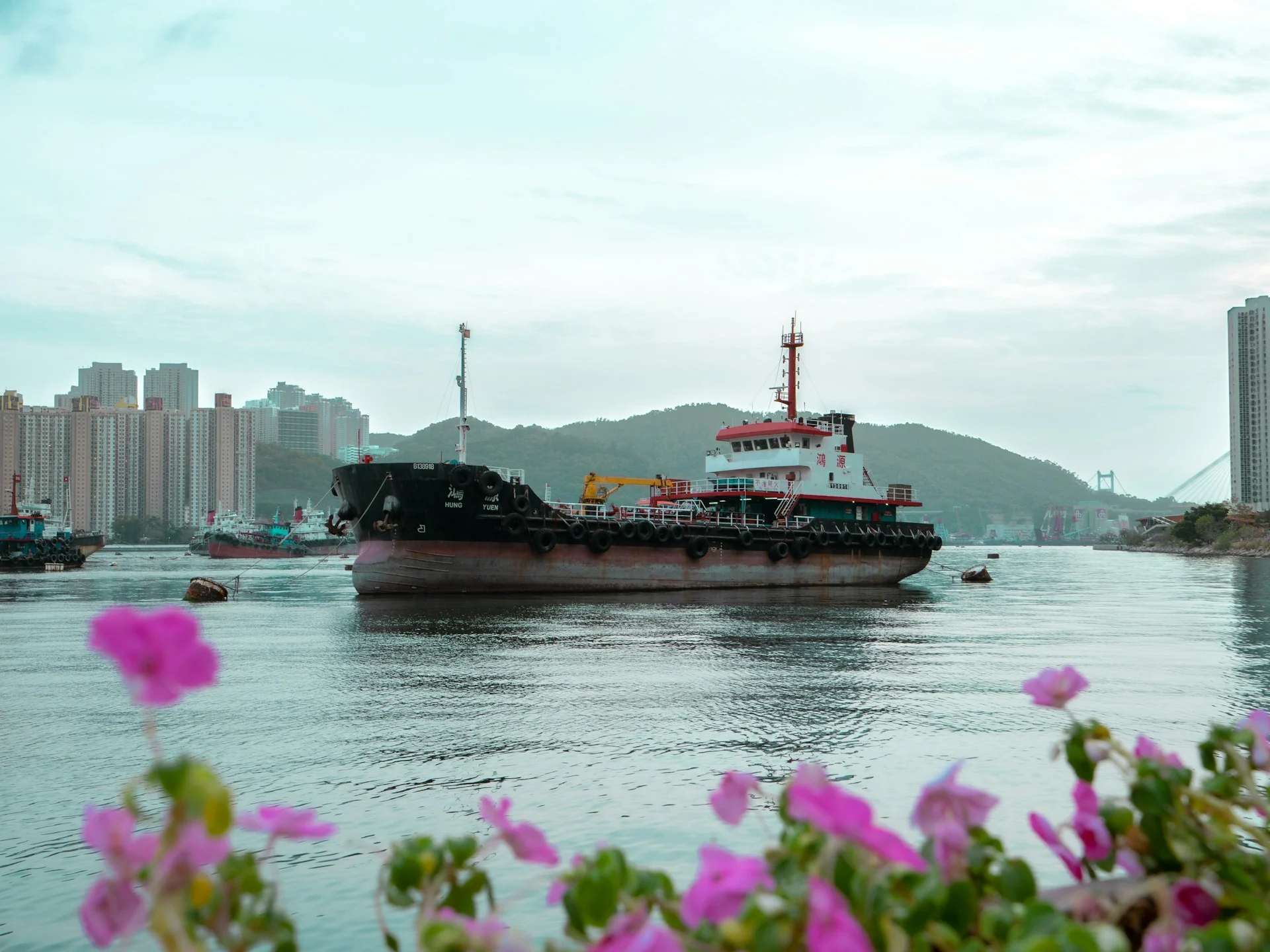
The End of Localized Throughput in Hong Kong Logistics
Hong Kong maritime and air cargo operators are facing an existential pivot. The traditional logistics model, built on geographic serendipity and frictionless local transshipment, is no longer sufficient. As the 15th Five-Year Plan solidifies the Greater Bay Area into a singular economic engine, Hong Kong must operate as the high-value, digitally integrated nexus of a massive regional supply chain.
This transition exposes a critical shortage of senior leaders capable of managing cross-border operations at scale. The market is aggressively rotating away from operational veterans who excel at localized yard throughput. Instead, boards are seeking network orchestrators: senior leaders with rigorous profit and loss accountability, transformation expertise, and the cross-border judgment to fuse maritime freight, air cargo, and mainland contract logistics into a seamless, automated network.
The demand for these profiles is reshaping the wider hiring landscape, forcing companies to rethink their approach to executive search in Hong Kong. Local market tenure is no longer the primary indicator of future success; bicultural execution and technological fluency have become the essential baseline for supply chain leadership.
Structural Drivers of the Talent Bottleneck
The scarcity of qualified executives is driven by intermodal infrastructure expansion, geopolitical complexity, and the absolute necessity of automation. The physical integration of the Greater Bay Area means cargo no longer follows traditional, siloed paths. Initiatives like the Dongguan-Hong Kong International Airport logistics corridor allow mainland export cargo to clear customs upstream and arrive directly at Hong Kong tarmac or docks.
This paradigm shift requires executives who can design multi-node networks rather than manage single-site operations, a dynamic deeply impacting executive search in China as firms look across borders for talent. Simultaneously, shifting global tariff policies, supply chain reconfiguration strategies, and the expansion of Regional Comprehensive Economic Partnership trade routes are forcing Hong Kong logistics firms to act as geopolitical shock absorbers.
Furthermore, facing a structural labor shortage and high operating costs, terminal and warehouse operators must digitize. Deploying AI-driven supply chain twins, automated guided vehicles, and cross-boundary data validation systems requires leaders who can bridge physical operations with deep enterprise technology integration.
Redesigning Senior Leadership Profiles
To survive this transition, boards and human resources leaders are actively redesigning key executive roles to mandate regional control, margin defense, and digital transformation capabilities.
Air Cargo and Contract Logistics
The mandate for air cargo network management has shifted from slot management to dynamic yield optimization. Leaders must orchestrate the flow of high-value goods, such as pharmaceuticals and semiconductors, alongside massive volumes of cross-border e-commerce through new intermodal corridors.
Similarly, freight forwarding directors must transition their businesses toward high-margin, value-added contract logistics. With pure brokerage margins continuously squeezed, these leaders act as the primary customer interface for global brands orchestrating omni-channel distribution across Asia, requiring asset-light multi-modal orchestration skills.
Port Operations and Trade Compliance
For directors of port and terminal operations, the focus has moved from maximizing raw crane moves per hour to implementing smart port automation and driving decarbonization to meet stringent global carbon regulations. This evolution is increasingly critical within maritime and shipbuilding recruitment, where legacy workforce change management is a core competency.
Meanwhile, chief trade compliance officers must move beyond reactive paperwork processing to strategic tariff engineering. They must ensure that cross-border data flows and cargo movements comply with both international sanctions and mainland data export guidelines, sitting in the C-suite to proactively advise on supply chain resilience.
Implications for Executive Search Buyers
The severe shortage of these network orchestrators has created a highly inflationary and fluid talent market in Hong Kong. Executives with proven track records in automation, cross-border integration, or ESG supply chain transformations command sign-on premiums of up to 25 percent for lateral moves. Compensation structures are also shifting, with up to 40 percent of total compensation now tied to variable outcomes heavily indexed against margin improvement and digital milestones rather than pure gross tonnage.
For buyers, understanding how executive search works in this constrained environment is vital. The ideal candidate is likely managing a highly complex, tech-enabled supply chain for an advanced manufacturing or global FMCG company, not sitting inside a traditional freight forwarder. Firms must revamp their executive search process to prioritize transformation over throughput in interviews, assessing candidates on how they optimize a profit and loss statement across a multi-modal, cross-border network.
Just as the city faces severe talent crunches in other high-value sectors, detailed in our analyses of the Hong Kong capital markets talent gap and the Hong Kong family office talent gap, proactive talent mapping is non-negotiable. Building ready-now succession pipelines and leveraging cross-border mobility schemes to import digital logistics leaders are the only sustainable strategies against the looming generational retirement wave in the maritime and aviation sectors.
Frequently asked questions
Why is there a talent gap in Hong Kong's logistics and cargo sector?
The gap is driven by a shift from localized transshipment to complex, digitized Greater Bay Area network orchestration. The industry now requires leaders with expertise in cross-border automation, intermodal integration, and geopolitical trade compliance, skills that were not heavily emphasized in traditional operational roles.
What skills are executive search firms prioritizing for Hong Kong supply chain leaders?
Firms are seeking bicultural agility, the ability to manage profit and loss across multi-modal networks, experience in deploying AI and automated storage systems, and the strategic foresight to navigate shifting global tariffs and ESG mandates.
How are compensation structures changing for senior logistics executives in Hong Kong?
Compensation is becoming highly indexed to performance and transformation. While base salaries see conservative increments, executives driving automation or ESG initiatives can command sign-on premiums of 20 to 25 percent. A significant portion of at-risk pay is now tied to margin improvement and digital milestones rather than pure cargo volume.
Related Links
- Executive Search in Hong Kong
- Executive Search in China
- Maritime Shipbuilding Offshore
- How Executive Search Works
- Executive Search Process
- Hong Kong Capital Markets Talent Gap
- Hong Kong Family Office Talent Gap

Editorially reviewed by Katia Belous. Based on primary market sources and KiTalent's market-intelligence process.