Sohar's Petrochemical Complex Produces World-Class Output but Cannot Produce the Workforce to Run It
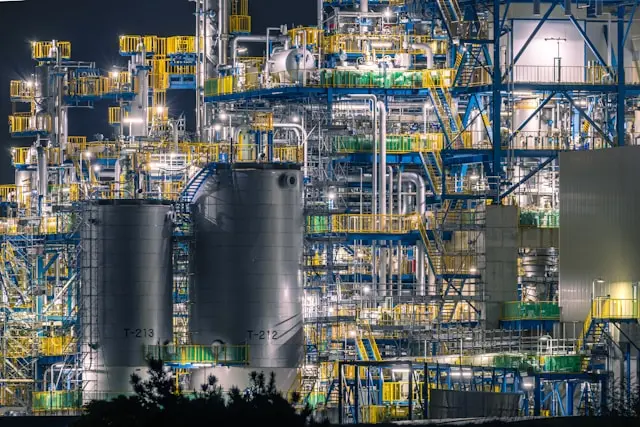
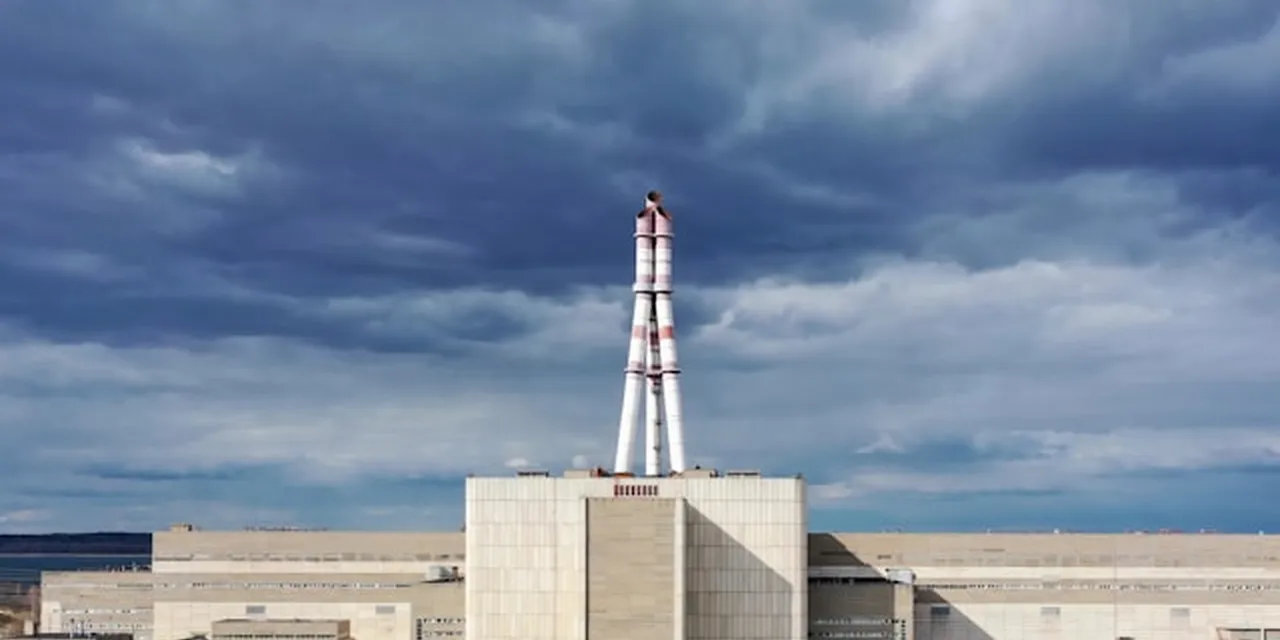
Oman's sole integrated refinery-aromatics-polyolefins complex in Sohar operates at 222,000 barrels per day. Its Liwa Plastics and Sohar Aromatics facilities produce nearly 1.9 million metric tonnes per annum of polymers and aromatics for export to Asia and East Africa. By every measure of industrial output, the Sohar cluster is a success story. By the measure that matters most for its long-term viability, it is not.
The tension at the centre of Sohar's petrochemical sector in 2026 is not about capacity or market access. It is about people. The Ministry of Labor requires 90% Omani representation in administrative and supervisory roles. It is pushing toward 60 to 70% in specialised technical and engineering functions. Meanwhile, Sultan Qaboos University and Sohar University together graduate fewer than 100 chemical engineers per year. The sector needs 300 to 400 new technical professionals annually. The arithmetic does not resolve. It compounds.
What follows is an analysis of the forces pulling Sohar's petrochemical labour market in opposing directions: the regulatory mandate accelerating localisation, the technical complexity that resists it, the regional competitors drawing experienced talent away, and what all of this means for organisations trying to hire and retain the leaders who keep a high-hazard industrial cluster running safely.
The Sohar Cluster in 2026: Scale Without Self-Sufficiency
The Sohar Port and Freezone ecosystem supports approximately 55,000 direct and indirect jobs, with petrochemical and refining operations accounting for roughly 12,000 to 15,000 direct positions. OQ Group, the anchor tenant, employs approximately 6,000 personnel across its Sohar assets. These are not small numbers. For a petrochemical cluster in the Gulf, they represent a mature, diversified industrial base.
Yet the cluster's output tells a story of structural imbalance. Approximately 75 to 80% of polymer and chemical output leaves Oman for Asian and East African markets. Domestic converter capacity absorbs less than 20% of what the complex produces. Despite Oman's Vision 2040 emphasis on downstream value-added manufacturing, the growth in local conversion industries has been minimal through 2025 and into 2026. Feedstock availability alone has not attracted polymer converters. Infrastructure gaps, limited packaging design capabilities, and a smaller domestic consumer market have outweighed the cost advantages of proximate resin supply.
This matters for the labour market in a specific way. A cluster that exports primary commodities requires a different workforce than one that supports a full value chain. The former needs deep technical expertise concentrated in a small number of high-hazard operating roles. The latter distributes demand across a broader range of managerial, commercial, and manufacturing positions that are easier to fill locally. Sohar remains locked in the former model.
Margin pressure and the operational expenditure discipline it creates
Global polyolefin margin compression through 2024 and 2025 has tightened the financial environment. Naphtha feedstock costs, linked to volatile crude benchmarks, have compressed aromatics spreads. Polyethylene demand weakness in Asian export markets reduced plant utilisation rates to approximately 85 to 90% of nameplate capacity. According to Platts Middle East analysis, a $10 per barrel crude price swing impacts complex operating margins by approximately $40 to $50 per tonne of ethylene equivalent.
The implication for hiring is direct. When margins compress, organisations do not stop needing talent. They become more selective and slower to approve headcount. The roles that survive the approval process are the ones the business cannot operate without: senior process safety engineers, advanced process control specialists, turnaround directors. These are precisely the roles that are hardest to fill in Sohar.
The Omanization Paradox: A Regulatory Mandate That Outpaces Its Own Talent Pipeline
Oman's localisation policy is not a suggestion. Ministry of Labor Resolution 38/2023 mandates 90% Omani representation in administrative and supervisory roles within industrial estates and 60 to 70% in specialised technical and engineering functions. Enforcement has intensified through 2025 and into 2026. Companies that fall short face penalties, work permit restrictions for expatriate staff, and reputational risk with government stakeholders who also happen to be their largest shareholders.
The policy is coherent in principle. A country that hosts world-scale industrial assets should develop the national workforce to operate them. The problem is not the ambition. The problem is the timeline relative to the talent pipeline's capacity.
Sohar University's chemical engineering programme produces fewer than 50 graduate engineers annually. The Higher College of Technology in Muscat provides technician-level training, but petrochemical-specific process technology curricula remain limited. Across all Omani institutions, total chemical engineering graduates number fewer than 100 per year. The sector requires 300 to 400 new technical professionals annually. The deficit is not closing. Employment in the sector is projected to grow by 8 to 10% annually through 2026, driven by turnaround cycles and digital transformation initiatives requiring OT/IT cybersecurity and advanced process control expertise.
This creates what might be the defining tension of Sohar's industrial labour market in 2026. Employers face penalties for insufficient localisation while simultaneously facing safety and operational risks if they replace experienced expatriates with underqualified nationals too quickly. The commissioning of Liwa Plastics' high-pressure polyethylene units and Sohar Aromatics' continuous catalytic reformers requires process engineering expertise that does not yet exist within Oman's graduate population in sufficient volume. A catalytic reformer does not distinguish between the nationality of the engineer operating it and the nationality of the regulator demanding localisation. It responds to competence or it responds with failure.
The organisations handling this tension most effectively are those investing in structured competency-based training programmes that accelerate Omani nationals through supervised operational rotations while retaining experienced expatriates as mentors rather than simply as headcount to be replaced. The organisations handling it poorly are those treating the 90% target as a compliance exercise to be managed with junior hires who lack the technical foundation to progress. The former approach is slower and more expensive. It is also the only one that does not end in an operational incident.
Three Markets That Recruit Sohar's Best People
Sohar does not exist in isolation. Its workforce operates within a GCC-wide market for petrochemical and refining talent, and that market has three competitors with clear advantages.
Jubail: Scale, salaries, and career progression
Saudi Arabia's Jubail Industrial City is the most direct competitor. SABIC, Ma'aden, and new giga-project investors offer 20 to 30% higher base salaries for Operations Managers and Process Engineers, according to Mercer's GCC Total Remuneration Survey. The salary premium alone would be sufficient to attract mid-career talent. But Jubail offers something harder to replicate: career progression within diversified conglomerates that operate across dozens of facilities. A Plant Operations Manager in Sohar can see one career path. The same manager in Jubail can see ten.
Ruwais: Lifestyle and family infrastructure
ADNOC Refining and Borouge in the UAE's Ruwais complex provide tax-free housing allowances and international school fee coverage that Sohar employers rarely match. For senior expatriate families, these benefits are not marginal. They are decisive. The UAE's proximity to global travel hubs and its cosmopolitan lifestyle draw the 35 to 45 demographic away from Sohar with particular force. This is precisely the age bracket that holds 10 to 15 years of operational experience, the experience Sohar cannot afford to lose.
The net effect of this three-way competition is a market where talent flows outward from Sohar. Reports suggest that Saudi operations routinely recruit mid-level operations managers from Sohar-based facilities, offering compensation premiums of 25 to 35% to secure talent with specific experience in naphtha crackers and catalytic reforming units. Sohar's employers are not just competing for new talent. They are defending against the systematic extraction of the talent they have already developed. This creates a perverse dynamic: the more effectively an employer trains Omani nationals in specialised process disciplines, the more attractive those nationals become to competitors who did not invest in their development.
Compensation in Sohar: What the Market Actually Pays
Oman's labour market data is less transparent than that of the UAE or Saudi Arabia. Published figures require context. Base salary ranges for petrochemical roles in Sohar do not capture total remuneration, which including housing, transport, and education allowances typically adds 30 to 40%.
At the Senior Specialist and Manager level, covering roles such as Senior Process Engineer and Maintenance Manager with 10 to 15 years of experience, base compensation ranges from OMR 2,800 to 3,800 per month, equivalent to approximately USD 87,000 to 118,000 annually. Candidates with specific aromatic or polyolefin process simulation expertise command upper-quartile rates or 10 to 15% premiums above standard chemical engineering compensation.
At the Executive and VP level, covering roles such as VP Operations, Plant Director, and Technical Director, base compensation ranges from OMR 9,000 to 14,000 per month, equivalent to approximately USD 280,000 to 436,000 annually. International expatriate hires for these roles often negotiate dollar-denominated packages or UAE-based commuting contracts at 15 to 20% premiums over localised Omani contracts.
The premium for commuting contracts reveals something important. It is not simply a salary negotiation tactic. It reflects a perceived career risk. Senior executives considering Sohar weigh the opportunity against the reality that Oman's petrochemical cluster offers fewer lateral career moves than Saudi Arabia or the UAE. Accepting a Sohar role can mean committing to a single employer in a single location for the duration of a contract cycle. The premium compensates for reduced optionality, not just for geography.
For organisations benchmarking packages against regional competitors, market benchmarking intelligence is not optional. The cost of underestimating what a process safety engineer with aromatic process experience will accept is not a failed offer. It is a six-month vacancy in a role the regulator requires you to fill.
The Skills That Sohar Cannot Find
The scarcity in Sohar's petrochemical labour market is not generic. It is concentrated in four technical domains where global supply is thin and GCC demand is intense.
Process Safety Management expertise, specifically in Layer of Protection Analysis and Safety Instrumented Systems for high-hazard aromatic processes, is the most acute gap. Roles requiring 10 or more years of experience in benzene and paraxylene operations typically remain unfilled for 120 to 180 days. General chemical engineering roles clear in 60 to 90 days. The difference is not administrative delay. It is the absence of qualified candidates. Recruitment data indicates that approximately 70% of such searches for Sohar-based facilities fail to yield qualified Omani nationals, requiring expatriate placements that face increasing regulatory resistance.
Advanced Process Control implementation, specifically multivariable predictive control for refinery naphtha crackers, represents a second acute gap. This is not classroom knowledge. It is experiential expertise built over years of tuning controllers on live refinery units. The global population of engineers who have implemented MPC on naphtha crackers and are available for relocation to Sohar is measured in dozens, not hundreds.
OT Cybersecurity for industrial control systems has moved from an emerging concern to a regulatory mandate. Oman's Critical National Infrastructure Authority now requires ICS/SCADA security capabilities that did not exist as a distinct discipline five years ago. The talent pool is being built in real time, globally. Sohar is competing for the same professionals as every other critical infrastructure operator in every other country.
Corrosion Engineering for sour service environments, where high hydrogen sulphide content in feedstocks accelerates materials degradation, completes the quartet. This is materials science expertise that requires specific field experience in the petrochemical environments where it matters most. It cannot be substituted with general metallurgical knowledge.
The original synthesis this data supports is this: Sohar's capital investment has outpaced its human capital development by a margin that cannot be closed by hiring alone. The cluster has built world-scale facilities that require a workforce it does not yet have the domestic infrastructure to produce, in a regulatory environment that increasingly restricts the international workforce that fills the gap. Capital moved. People did not follow at the same rate. Every hiring challenge in this market is a downstream consequence of that mismatch.
What the 2026 Outlook Means for Executive Hiring
Two developments will intensify demand for senior leadership talent in Sohar through 2026 and beyond.
First, OQ has signalled a strategic pivot from commodity polymer expansion toward specialty chemicals and circular economy initiatives, including chemical recycling capacity for polyolefin waste streams. Front-end engineering design is expected to commence in late 2026. This pivot does not reduce the need for existing process expertise. It adds entirely new requirements on top of it. A VP Technical who can oversee both conventional aromatics operations and a nascent chemical recycling programme is a rarer profile than either discipline alone.
Second, Sohar is designated as a hub for renewable hydrogen derivatives under Oman's National Hydrogen Strategy. The Green Hydrogen and Chemicals Complex planned for the Sohar Freezone anticipates first-phase operational readiness by 2027. This creates demand for electrochemical process engineers and cryogenic storage specialists, roles that currently do not exist within the Sohar workforce.
These two developments share a common feature. Both require leaders who can manage the transition from existing operations to new technologies without disrupting the performance of the base business. This is not a technical capability. It is a leadership capability. And it is scarce everywhere, not just in Sohar.
The executive roles in highest demand reflect this reality. Turnaround Directors capable of managing $100 million or larger maintenance shutdowns under FIDIC contract administration, VP Technical leaders responsible for decarbonisation pathway implementation, and Omanization Strategy Directors who can meet 90% localisation targets without compromising safety standards represent the three most difficult searches in this market. Each sits at the intersection of technical depth, regulatory fluency, and operational leadership. Each draws from a candidate pool that is predominantly passive.
Why Conventional Search Methods Fail in This Market
Senior technical and executive roles in Sohar's petrochemical sector operate as predominantly passive candidate markets. Qualified Process Safety Engineers, Control Systems Engineers, and Plant Directors typically hold tenures of five to eight years and are not actively seeking new positions. Industry data indicates that fewer than 15% of successful placements for roles above Senior Manager level originate from active job applications. The remaining 85% involve direct headhunting and confidential approaches.
The reasons are specific to this market's structure. A Plant Director overseeing an integrated refinery-petrochemical complex in Sohar has a role that exists at perhaps 30 facilities globally. The person filling it knows exactly how rare their experience is. They are not browsing job boards. They are not attending career fairs. They are running a $2 billion asset and will only consider a move if the opportunity is presented directly, confidentially, and with a compelling case that addresses the specific concerns of relocating to or within the GCC.
This is where executive search methodology that reaches passive candidates becomes essential rather than optional. Job advertising in this market reaches, at best, the 15% of candidates who are actively looking. Those candidates are not necessarily the best candidates. Often they are the ones with the weakest reasons to stay where they are. The strongest candidates, the ones whose departure would be noticed and mourned by their current employer, must be found, assessed, and approached through a fundamentally different process.
The cost of a failed executive hire in a high-hazard petrochemical environment is not measured only in recruitment fees and lost time. It is measured in operational risk, regulatory exposure, and the downstream impact on a turnaround schedule that cannot slip without seven-figure consequences.
For organisations operating in Sohar's petrochemical cluster, where the candidate pool is global, predominantly passive, and subject to active extraction by better-resourced competitors in Saudi Arabia and the UAE, the question is not whether to invest in direct executive search for industrial and manufacturing leadership. The question is whether the current approach is actually reaching the candidates who could fill the role. KiTalent delivers interview-ready executive candidates within 7 to 10 days through AI-powered talent mapping, with a 96% one-year retention rate across 1,450 or more completed placements. The pay-per-interview model means organisations only invest when they meet qualified candidates, eliminating the retainer risk that makes search firms a difficult commitment in a margin-compressed environment.
For hiring leaders filling senior technical or executive roles in Sohar's petrochemical sector, where every qualified candidate is already employed and the regulatory environment narrows your options further each year, speak with our executive search team about how we identify and deliver the leadership talent this market requires.
Frequently Asked Questions
What are the main petrochemical employers in Sohar, Oman?
The Sohar Industrial Estate's petrochemical operations are anchored by OQ Group, Oman's integrated energy company, which operates the Sohar Refinery (OQ8), the Liwa Plastics Industries Complex producing polyethylene and polypropylene, and holds the majority stake in Sohar Aromatics Company, a joint venture with Kuwait Petroleum International. During turnaround seasons, EPC contractors including Petrofac, Worley, and McDermott each deploy 1,000 to 2,500 contract personnel. The broader Sohar Port and Freezone ecosystem supports approximately 55,000 direct and indirect jobs.
How does Omanization affect petrochemical hiring in Sohar?
Ministry of Labor mandates require 90% Omani representation in administrative and supervisory roles and 60 to 70% in specialised technical functions. However, Omani universities graduate fewer than 100 chemical engineers annually against sector demand for 300 to 400 new technical professionals per year. This creates a regulatory tension where employers face penalties for insufficient localisation while lacking the domestic talent pipeline to comply without compromising operational safety. Structured competency-based training programmes that retain experienced expatriates as mentors offer the most sustainable path through this constraint.
What do senior petrochemical executives earn in Sohar?
At the Executive and VP level, including Plant Directors, VP Operations, and Technical Directors, base compensation ranges from OMR 9,000 to 14,000 per month, approximately USD 280,000 to 436,000 annually. Total remuneration including housing, transport, and education allowances adds 30 to 40%. International expatriate hires frequently negotiate dollar-denominated packages at 15 to 20% premiums over localised contracts. Candidates with specific aromatic process expertise command further premiums. Market benchmarking is essential for calibrating competitive offers.
Why is it so difficult to hire Process Safety Engineers in Sohar?
Process Safety Management roles requiring 10 or more years of experience in aromatic processes typically remain unfilled for 120 to 180 days, roughly double the vacancy duration for general chemical engineering positions. Approximately 70% of searches fail to identify qualified Omani nationals. The global pool of engineers with Layer of Protection Analysis and Safety Instrumented Systems expertise in benzene and paraxylene operations is inherently small. Saudi and UAE competitors actively recruit from this pool, and the candidates who hold these qualifications are overwhelmingly passive, requiring direct headhunting approaches rather than job advertising.
How does Sohar compete with Jubail and Ruwais for petrochemical talent?
Sohar faces material disadvantages against both competitors. Jubail offers 20 to 30% higher base salaries and career progression within diversified conglomerates operating dozens of facilities. Ruwais provides tax-free housing, international school coverage, and proximity to global travel hubs. Sohar's advantages include a growing role as a hub for green hydrogen derivatives, a stable regulatory environment, and the opportunity to take on broader operational responsibility at an earlier career stage. Effective retention in Sohar requires compensation strategies that address both financial competitiveness and career development pathways.
What executive roles are hardest to fill in Sohar's petrochemical sector?
Three roles present the greatest search difficulty: Turnaround Directors capable of managing $100 million or larger maintenance shutdowns under FIDIC contracts, VP Technical leaders overseeing simultaneous conventional operations and decarbonisation initiatives, and Omanization Strategy Directors who must achieve 90% localisation targets while maintaining technical safety standards. Each requires a combination of deep technical knowledge, regulatory fluency, and operational leadership that is rare globally. KiTalent's talent mapping capabilities identify these candidates from the passive market where over 85% of successful senior placements originate.