Stavanger's Subsea Sector Is Running at Full Capacity With Half the Engineers It Needs
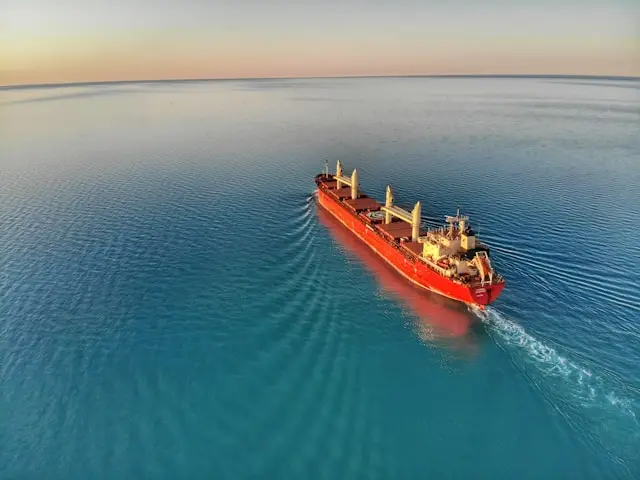
Stavanger entered 2026 as the engineering brain of the North Sea. The city and its surrounding municipalities host 45% of Norway's subsea engineering headcount within a 50-kilometre radius of the city centre, according to the GCE Ocean Technology Cluster. Subsea expenditure on the Norwegian Continental Shelf reached NOK 78 billion in 2024, with Stavanger-based contractors capturing roughly 60% of engineering and project management value. Vessel utilisation rates have held above 92%. Day rates for subsea construction and IMR vessels climbed 34% between Q4 2022 and Q4 2024. By every measure of commercial activity, this is a market operating at peak intensity.
The problem is not demand. It is the absence of people qualified to meet it. Petroleum engineer unemployment in Stavanger municipality sat at 0.8% through late 2024. Subsea engineering vacancies in Rogaland remained open for an average of 127 days, nearly double the 67-day average for general engineering positions. The University of Stavanger projects 380 graduates from relevant MSc programmes in 2026 against estimated demand for 620 technical replacements and growth hires. The arithmetic does not work, and it has not worked for several years.
What follows is a ground-level analysis of Stavanger's subsea and maritime services sector: where the specific hiring gaps sit, what drives them, who competes for the same candidates, and what organisations operating in this market need to do differently to secure the senior technical talent that determines whether projects run on time or do not run at all.
The Market That Looks Like a Shortage but Operates Like a Siege
The standard framing of Stavanger's talent problem is "shortage." There are not enough subsea engineers, not enough ROV superintendents, not enough marine warranty surveyors. This is true but incomplete. The more precise description is a market where three distinct pressures converge simultaneously, and each one amplifies the others.
The first pressure is demographic. Approximately 22% of the current subsea engineering workforce in Stavanger is over 55, according to Tekna's 2024 Rogaland Chapter survey. This is not a future concern. The retirement cliff is underway. Every year through 2030, the sector loses experienced professionals faster than the university pipeline can replace them. A senior subsea engineer with 15 years of rigid pipeline installation experience cannot be substituted by a recent graduate. The knowledge gap is measured in decades, not credentials.
The second pressure is sectoral competition. Stavanger now hosts 14 active offshore wind supply chain companies, up from 8 in 2021. These firms compete directly for marine coordination and subsea installation expertise. The offshore wind contracts anticipated for Sørlige Nordsjø II and Utsira Nord in 2026 will intensify this competition further. GCE Ocean Technology has warned explicitly of "double-booking" risks where the same engineering teams and vessels serve both hydrocarbon and renewable clients.
The third pressure is geographic. Stavanger does not operate in isolation. Bergen offers lower housing costs and manufacturing roles with more regular onshore schedules. Aberdeen offers an English-language environment and proximity to the UK decommissioning market. Oslo offers the corporate headquarters trajectory that Stavanger's operationally focused market cannot match. Net migration of mid-career subsea engineers from Stavanger to Bergen increased 12% in 2024, according to Statistics Norway. The candidates Stavanger needs are not only scarce. They have options.
This is the dynamic that makes the standard "shortage" framing insufficient. A shortage implies a gap that more supply could close. What Stavanger faces is a compression: rising demand from multiple sectors, a shrinking experienced workforce, and geographic competitors offering credible alternatives. The conventional response to a shortage is to hire harder. The correct response to a compression is to hire differently.
Where Stavanger Sits in the Subsea Value Chain and Why It Matters for Hiring
A common misconception about Stavanger's subsea market is that the city hosts a vertically integrated supply chain from design through fabrication to installation. The reality, as documented in Menon Economics' analysis of the sector, is more nuanced and has direct consequences for talent strategy.
Engineering and project management, not manufacturing
Subsea manufacturing and equipment fabrication have migrated. FMC Kongsberg Subsea and Aker Solutions' manufacturing operations sit in Bergen. Marine equipment clusters concentrate around Ålesund. What remains in Stavanger is the intellectual core: engineering services, installation planning, vessel management, and project execution. This geographic split means that the talent Stavanger competes for is overwhelmingly knowledge-intensive. The city needs people who design, plan, and oversee. Not people who build. The implication for hiring is direct: the roles that matter most in this market are precisely the roles that take longest to fill, because they require accumulated judgement that no training programme can accelerate.
The three-tier employer structure
The Stavanger subsea market organises around three tiers. Tier 1 comprises integrated contractors with global headquarters or major operational hubs in the region: Aker Solutions (2,800 regional employees), Subsea 7 (1,400), TechnipFMC (1,100), and SLB (900+). Tier 2 covers specialised subsea services and ROV/inspection firms: Reach Subsea (380), DeepOcean (450), and Oceaneering (320). Tier 3 encompasses vessel operators and marine supply companies: Solstad Offshore, DOF Subsea, and Halliburton Norge.
The top 10 employers account for roughly 65% of direct subsea employment in the region. This creates what the research describes as oligopsonistic labour market dynamics: a small number of large buyers competing for the same limited pool of specialists. When Aker Solutions, Subsea 7, and TechnipFMC all need flow assurance engineers simultaneously, the market does not function like a normal hiring market. It functions like an auction.
The structural consequence for any organisation hiring in this market is that speed and method matter more than they would in a diversified talent pool. A search that takes four months in a market with multiple competing employers and fewer than 400 qualified individuals is not a slow search. It is a failed search. The candidates are gone before the shortlist is finalised.
The Roles That Break Searches and What They Actually Pay
Not every subsea role in Stavanger is equally difficult to fill. The market exhibits severe segmentation. Generalist project managers experienced wage stagnation through 2024, with overall technical consultancy sector wage growth at 3.8%, below inflation. But specific sub-disciplines told a different story entirely.
Where the bidding wars are
Flow assurance specialists, subsea processing engineers, and senior ROV superintendents commanded 8 to 12% year-on-year compensation increases through 2024, plus material sign-on bonuses. The headline wage data from Statistics Norway masks this segmentation completely. The market average suggests labour market slack. The reality at the specialist level is the opposite.
Marine warranty surveyors represent perhaps the most extreme example. The total population in Norway is estimated at fewer than 400 individuals, with employment rates above 90% at all times, according to the Norwegian Hull Club. These professionals require dual competence in naval architecture and offshore operations. They are recruited exclusively through specialist search. They do not post CVs. They do not respond to job advertisements. They are, in every meaningful sense, invisible to any hiring process that relies on inbound applications.
Executive compensation benchmarks
Compensation data from Tekna, Hays Norway, and industry-specific surveys reveals a market where senior talent commands premiums well above Norway's already elevated engineering salary norms. At the senior specialist and manager level (10 to 15 years of experience), subsea engineering managers earn NOK 1,050,000 to 1,350,000 per annum. Senior ROV superintendents command NOK 950,000 to 1,200,000. Marine warranty surveyors, reflecting their extreme scarcity, earn NOK 1,100,000 to 1,400,000.
At the executive level, the numbers scale sharply. VP Subsea Engineering and Technical Director roles pay NOK 2,200,000 to 3,500,000 including long-term incentive plans. Operations Directors at major subsea contractors earn NOK 2,800,000 to 4,200,000. Country Managers at international subsea firms reach NOK 3,500,000 to 5,500,000.
These figures include a 15 to 25% premium over equivalent positions in land-based construction and manufacturing in Southern Norway. They trail Aberdeen and Houston by 10 to 15% at senior levels when adjusted for cost of living and tax. That differential matters because it means the most experienced professionals have a financial incentive to leave, and the organisations trying to retain them must compete on factors beyond compensation alone. For firms developing compensation benchmarks for energy sector leadership roles, Stavanger sits in a paradox: expensive enough to strain budgets, but not expensive enough to prevent talent from looking elsewhere.
When Companies Fight Over the Same 400 People: Three Cases From This Market
Aggregate statistics describe the problem. Named examples illustrate what the problem actually looks like inside an organisation trying to hire.
An 11-month search for a single pipeline engineer
According to Dagens Næringsliv, Aker Solutions maintained an open vacancy for a Senior Subsea Project Engineer (Pipelines) at their Forus facility for 11 months during 2023 and 2024. The role required 10 or more years of experience with rigid pipeline installation methods. Three external search cycles failed. The position was eventually filled through an internal transfer from Aker Solutions' Bergen office. This is the clearest illustration of what happens when a search enters a market with sub-0.5% unemployment among the target population. The candidates exist. They are employed. They are not looking. And a conventional search process cannot reach them.
A poaching incident that reshaped retention strategy
As reported by Stavanger Aftenblad, Reach Subsea recruited three senior ROV supervisors from Oceaneering's Stavanger operations in Q2 2024. The compensation packages reportedly included 25 to 30% base salary premiums plus guaranteed offshore rotation schedules. Oceaneering's response, according to an Industri Energi press release, was to implement retention bonus agreements for remaining senior technical staff valued at NOK 150,000 to 200,000 per employee. In a market where the total pool of qualified ROV superintendents is small and the certification requirements (IMCA standards) limit new entrants, losing three senior specialists to a direct competitor does not create three vacancies. It creates three crises.
Restructuring working conditions to prevent attrition
Teknisk Ukeblad reported that Subsea 7 restructured their Stavanger engineering division in late 2023, creating "hybrid technical authority" roles. These positions allowed senior engineers to work 60% from home and reduced offshore rotation frequency from 3:3 weeks to 2:4 weeks. The restructuring was specifically designed to retain three senior flow assurance specialists who had received offers from Equinor's offshore wind division. The fact that a Tier 1 global contractor restructured an entire division's working conditions to retain three individuals tells you everything you need to know about the power balance in this market.
These examples share a common thread. The talent these firms need is not available through any process that waits for candidates to appear. 85% of senior subsea engineer placements in Rogaland occur through executive search or direct headhunting rather than job board applications, according to Michael Page Norway's 2024 energy talent analysis. The remaining 15% at this seniority level come through personal networks. Job advertisements reach almost nobody who matters.
The Offshore Wind Paradox: More Demand, Wrong Skills
One of the most counter-intuitive dynamics in Stavanger's current market is that the energy transition, widely expected to create abundant new demand for subsea talent, may simultaneously create localised unemployment in one specialisation while deepening shortages in another.
The logic runs as follows. Stavanger's traditional subsea strength is rigid pipeline installation: the engineering of steel pipe systems that connect subsea wellheads to processing facilities. This is a mature discipline with deep expertise in the region. Offshore wind, however, requires dynamic cable laying and inter-array cable engineering. These are related but distinct disciplines. The metallurgy is different. The installation analysis is different. The failure modes are different.
Despite record capital allocation to Norwegian offshore wind developments (NOK 50 billion or more in upcoming projects), the subsea installation talent pool trained in hydrocarbon pipeline systems shows low transferability to offshore wind cable work. The energy transition is not moving existing talent sideways into new applications. It is creating a second, parallel talent market that draws from the same institutional base (the same universities, the same employers, the same geographic region) without actually using the same people.
The implication is that Stavanger may face a future where rigid pipeline engineers experience reduced demand as hydrocarbon projects decline, while simultaneously experiencing acute and worsening shortages in inter-array cable engineering. The aggregate data will show "subsea services" employment holding steady or growing. The reality underneath will be a skills mismatch that conventional workforce planning fails to detect.
For organisations hiring into this market, the distinction matters. A search for a "subsea engineer" that does not specify which subsea discipline is almost certain to produce candidates with the wrong experience. The market is no longer general enough for general searches. Precision in defining the technical requirements before launching a search is not a preference. It is a prerequisite for any search that intends to succeed.
The Four Forces Pulling Talent Away From Stavanger
Stavanger has historically retained subsea professionals through proximity to offshore assets, Norway's work-life balance protections, and the sheer density of employers. All three advantages are eroding, and understanding the four competing geographies is essential for any hiring leader building a retention or recruitment strategy.
Bergen: the lifestyle alternative
Bergen offers comparable subsea salaries with median housing costs 18% below Stavanger. More critically, Bergen's subsea roles tend to be manufacturing-focused with regular onshore work patterns, while Stavanger's installation and project management roles involve more offshore rotation and higher-pressure project timelines. For a mid-career engineer with a young family, the calculation is straightforward. The net migration data confirms it: mid-career subsea engineers (ages 35 to 45) moving from Stavanger to Bergen increased 12% in 2024.
Aberdeen: the language and tax play
Senior subsea project managers in Aberdeen earn £120,000 to £160,000 (NOK 1.6 to 2.1 million), roughly at parity with Stavanger. But the UK's lower cost of living, English-language working environment, and greater stock option liquidity in London-listed firms create a package that is difficult to match. The UK's accelerating North Sea decommissioning market provides a career runway that does not depend on new field development, making Aberdeen attractive to professionals who want stability without relying on exploration cycles.
Oslo: the career trajectory
Stavanger offers deep technical roles. It does not offer corporate headquarters. Equinor, Aker BP, and DNO base their senior leadership in Oslo. For a VP-level subsea professional who wants to move toward a C-suite position, Stavanger's operationally focused market reaches a ceiling. The Financial Times' 2024 Nordic energy talent survey documented this pattern: Stavanger technical specialists relocating to Oslo for Director and VP roles that simply do not exist in the operational hub.
Houston: the compensation multiplier
At VP level and above, Houston-based global headquarters of SLB, Halliburton, and TechnipFMC pay 2 to 3 times Norwegian levels. Lower personal taxation amplifies the gap further. The cultural and linguistic adaptation required limits this pathway to senior professionals willing to make a permanent international move, but for the most experienced talent, the economic incentive is overwhelming. This is why international executive search capability matters in this market: the candidate pool is not contained by national borders, and neither is the competition.
Each of these four competitors addresses a different motivation. Bergen solves for lifestyle. Aberdeen solves for language and liquidity. Oslo solves for career progression. Houston solves for compensation. No single retention strategy addresses all four. The organisations that retain best in Stavanger are those that understand which of the four motivations each critical employee responds to, and address it before the approach comes.
Regulatory Friction and the Constraints That Cannot Be Hired Away
Even where organisations in Stavanger are willing to invest aggressively in talent acquisition, structural constraints limit what is possible.
Immigration processing that moves slower than the market
Norway's skilled worker visa scheme requires employer sponsorship and meets salary thresholds that subsea engineering roles easily clear. But processing delays extend to 6 to 9 months, according to UDI statistics. More problematically, "subsea engineer" is not on Norway's shortage occupation list, which means fast-track processing is unavailable for exactly the roles where shortages are most acute. An employer that identifies a qualified candidate in Aberdeen or Houston in January may not be able to start that person until September or October. In a market where projects operate on fixed offshore weather windows, a nine-month immigration timeline is functionally equivalent to losing the candidate.
Collective agreements that limit compensation flexibility
Approximately 85% of the offshore and subsea workforce is unionised through Industri Energi or SAFE. Wage negotiations occur centrally, limiting individual company flexibility to bid up salaries for scarce roles outside designated "key personnel" frameworks. This creates a paradox: the market data clearly shows that specific sub-disciplines command 8 to 12% premiums, but the collective agreement structure makes it difficult for employers to deliver those premiums transparently. The workarounds (retention bonuses, sign-on payments, upgraded rotation schedules) are effective but administratively costly and create internal equity tensions.
Fleet renewal competing with talent investment
Norges Bank held its key rate at 4.50% through late 2024, making newbuild IMR vessel financing uneconomical. The Stavanger-managed fleet averages 14.3 years of age and approximately 30% requires retrofitting with hybrid systems or outright replacement by 2027 to meet emission standards under Norway's NOx fund and CO2 tax scheme. This creates a direct capital allocation tension. Every krone spent on fleet renewal is a krone not spent on recruitment, retention bonuses, or training programmes. Firms cannot invest in both simultaneously at the scale required.
These constraints mean that the organisations most likely to secure critical talent are not necessarily the ones with the largest budgets. They are the ones with the fastest, most precise hiring processes. When you cannot accelerate immigration, cannot unilaterally raise salaries above collective agreement norms, and cannot defer fleet investment, the remaining variable is search speed and method. Getting to the right candidate first, with a compelling and specific proposition, before a competitor does, is the only lever that is entirely within the employer's control.
What This Market Requires From a Hiring Strategy
The conventional executive search approach is designed for markets where qualified candidates exist in reasonable numbers and some proportion of them are open to approaches. Stavanger's subsea market meets neither condition at the senior specialist level. The qualified population is small and precisely known. The passive candidate ratio is extreme. And every major employer is competing for the same people simultaneously.
A search process that begins with a job advertisement has already failed. A search process that relies on a database of previously identified candidates is working from a list that every other firm has already exhausted. The only approach that consistently produces results in this market is direct, research-led identification of specific individuals based on their project history, technical certifications, and current employment circumstances.
This is not a market where patience is a virtue. The average 127-day vacancy duration for subsea engineering roles in Rogaland tells you what happens when the process moves at conventional speed. The 11-month search that Aker Solutions experienced for a single pipeline engineer tells you what happens when the process moves at conventional speed in the most constrained sub-disciplines.
KiTalent's approach to markets with this profile centres on three elements: AI-enhanced identification of passive candidates who are not visible on any job board or recruiter database, direct engagement with a specific proposition calibrated to the individual's circumstances, and a timeline that delivers interview-ready candidates within 7 to 10 days. In a market where a delayed approach means the cost of a failed executive hire is measured in project delays and missed weather windows, speed is not a convenience. It is the difference between filling the role and losing the project.
For organisations competing for subsea engineering, ROV, or marine operations leadership in the Stavanger market, where the total qualified population for certain roles numbers in the low hundreds and conventional search methods reach fewer than 15% of viable candidates, speak with our executive search team about how we approach passive candidate markets with this level of constraint.
Frequently Asked Questions
What is the average salary for a subsea engineering manager in Stavanger?
A subsea engineering manager with 10 to 15 years of experience in the Greater Stavanger region earns NOK 1,050,000 to 1,350,000 per annum in total compensation, including base salary, bonus (typically 10 to 20%), and pension contributions. At VP and Technical Director level, total compensation rises to NOK 2,200,000 to 3,500,000 including long-term incentive plans. Stavanger-based subsea roles carry a 15 to 25% premium over equivalent land-based engineering positions in Southern Norway, though they trail Aberdeen and Houston by 10 to 15% at the most senior levels after cost of living and tax adjustments.
Why is it so difficult to hire senior subsea engineers in Stavanger?
Three factors converge. First, unemployment among petroleum engineers in Stavanger municipality is 0.8%, meaning virtually all qualified professionals are employed. Second, the top 10 employers account for 65% of direct subsea employment, creating intense competition for the same limited pool. Third, 85% of senior subsea placements occur through direct headhunting rather than job applications. The candidates you need are not looking, and they will not see your advertisement. Reaching them requires research-led identification of passive candidates followed by a specific, individually calibrated approach.
How does offshore wind development affect subsea hiring in Stavanger?
Offshore wind is increasing demand for subsea installation expertise while simultaneously demonstrating that the skills do not transfer directly. Rigid pipeline engineering, Stavanger's traditional strength, is distinct from dynamic cable laying and inter-array cable engineering required for wind projects. The energy transition is creating a parallel talent market that draws from the same institutional base without using the same professionals. Organisations hiring for offshore wind positions in this market must specify precisely which subsea discipline they need, as a general search will produce candidates with the wrong technical background.
What cities compete with Stavanger for subsea talent?
Four cities pull talent from Stavanger through different mechanisms. Bergen offers 18% lower housing costs and manufacturing roles with more regular onshore patterns. Aberdeen offers English-language working conditions and comparable salaries with lower cost of living. Oslo offers corporate headquarters and C-suite career trajectories unavailable in Stavanger's operational market. Houston offers executive compensation 2 to 3 times Norwegian levels. Each competes on a different motivation, requiring Stavanger employers to understand individual retention drivers rather than relying on blanket compensation increases.
How long does it take to fill a subsea engineering role in Stavanger?
Subsea engineering vacancies in Rogaland remained open for an average of 127 days in 2024, compared to 67 days for general engineering positions. Highly specialised roles take longer. One Tier 1 contractor reportedly searched for 11 months for a senior pipeline engineer before resorting to an internal transfer. KiTalent's methodology delivers interview-ready candidates within 7 to 10 days through AI-enhanced passive candidate identification, addressing the core challenge in a market where conventional search timelines exceed the operational windows that projects depend on.
What immigration barriers affect subsea hiring in Norway?
Norway's skilled worker visa requires employer sponsorship with processing times of 6 to 9 months. The "subsea engineer" occupation is not on Norway's shortage occupation list, which means fast-track processing is unavailable for the roles where shortages are most severe. For an employer who identifies a qualified candidate internationally, the immigration timeline may exceed the project's mobilisation deadline. This constraint makes proactive talent pipeline development essential rather than optional, as starting a search when the vacancy arises already concedes months to bureaucratic processing.