Corpus Christi's Coastal Hospitality Market: Why Executive Searches Are Stalling Before They Begin
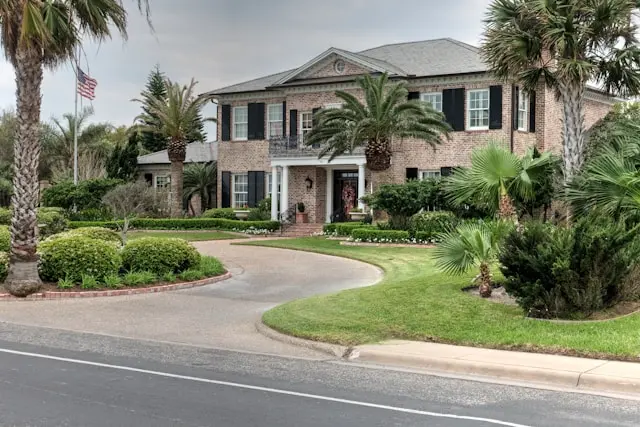
A General Manager search at a 200-room beachfront property on North Padre Island ran for eleven months with an interim leader at the helm. That is not an anomaly in Corpus Christi. It is the emerging norm for a coastal tourism market where the candidates who can manage seasonal revenue swings, red tide disruptions, and salt-air corrosion simultaneously are not reading job postings. They are already employed, and they are being courted by San Antonio and Austin with offers that carry 22 to 45 per cent salary premiums and none of the environmental volatility.
Corpus Christi's $1.18 billion visitor economy generated 9.2 million visitor trips in 2024. The Texas State Aquarium has nearly returned to its pre-pandemic attendance peak. A new Hotel Indigo is scheduled to open downtown in mid-2026. On paper, the trajectory is upward. Beneath these numbers, however, the sector faces a compounding talent problem: the roles most critical to capitalising on this growth are the roles hardest to fill, and the gap between what Corpus Christi can offer and what competing markets pay is widening at precisely the wrong moment.
What follows is a detailed analysis of where the executive shortages are most acute, what is driving them, why traditional hiring methods are failing in this specific market, and what organisations operating in Corpus Christi's coastal hospitality sector need to understand before their next leadership search begins.
A Visitor Economy Stabilising on Fragile Foundations
Corpus Christi's tourism sector entered 2026 having posted its strongest year since the pandemic. Full-year 2024 hotel occupancy averaged 64.2 per cent, a 2.1 percentage point improvement over 2023. Average Daily Rate reached $132.45. Visitor spending crossed $1.18 billion. Each of these figures moved in the right direction. None of them returned to the 2019 baseline of 68.5 per cent occupancy, and when adjusted for coastal Texas inflation, rate growth was effectively flat.
The recovery has been uneven across property types and geographies. The downtown corporate and select-service cluster serving Port of Corpus Christi business travellers has recovered more quickly, buoyed by energy sector activity. The waterfront resort cluster on North Padre Island remains more exposed to the forces that make this market distinct: seasonal swings that push occupancy from 45 per cent in January to 92 per cent in July, environmental disruptions that arrive without warning, and a visitor mix that demands operational flexibility few inland markets require.
Visit Corpus Christi projects 2026 visitor spending to reach $1.28 billion, supported by the completion of the Harbor Bridge replacement project and the opening of the Hotel Indigo Corpus Christi Downtown-Waterfront. The projection carries real downside risk. Anticipated El Niño patterns may increase red tide frequency, and the 2024 bloom cycle already demonstrated how quickly environmental events can erase a shoulder season. The market is growing into a set of conditions that reward resilient, experienced leadership. The problem is that the pool of leaders with coastal resort expertise continues to shrink.
The Three Shortages That Define This Market
General Managers Who Can Run Seasonal Coastal Operations
The most visible shortage is at the General Manager level for full-service and resort properties. The qualified candidate pool for a GM role at a 200-plus room Gulf Coast property operates at 80 to 85 per cent passive rates. Fewer than 15 per cent of qualified candidates are actively applying to posted vacancies, according to HVS Executive Search Practice data. The rest are employed, performing, and typically unreachable through conventional job advertising.
What makes this shortage particularly acute in Corpus Christi is the specificity of the skill set required. A General Manager on North Padre Island must manage transient leisure revenue alongside group sales in a market with extreme seasonality. They must execute hurricane preparedness protocols, communicate red tide impacts to guests without triggering cancellation cascades, and maintain staff continuity through months where occupancy drops below 50 per cent. This combination of revenue management, crisis communication, and environmental operations expertise exists in a small number of professionals concentrated along the Gulf Coast. When one leaves, the replacement search extends to six to nine months as a matter of course.
The eleven-month interim GM situation reported in the Corpus Christi MSA is not a single outlier. It is a pattern that recurs when executive searches rely on active candidates in a market where the right candidates are not active.
Coastal Engineers and Maintenance Directors
The second acute shortage is technical. Chief Engineers and Maintenance Directors qualified in salt-air corrosion management and hurricane preparedness systems are commanding 18 to 25 per cent premiums above standard market rates, and searches for these roles at Gulf-front properties now extend four to five months. The equivalent search in an inland market takes six to eight weeks.
This is not a volume problem. It is a knowledge problem. Salt-air corrosion affects HVAC systems, elevator mechanicals, structural steel, and guest-facing finishes on a continuous basis. Hurricane preparedness requires specific certifications, relationships with emergency management authorities, and the ability to execute rapid property shutdown and recovery protocols. The professionals who carry this expertise have typically spent years at coastal properties in Florida, the Texas Gulf Coast, or the Caribbean. They are not emerging from hospitality management programmes in meaningful numbers.
The USS Lexington Museum's constraint illustrates the downstream consequences. The museum recorded 102,000 visitors in 2024, remaining well below its 2019 baseline of 125,000, partly due to aging infrastructure and deferred maintenance on the decommissioned carrier's climate control systems. When a market cannot attract and retain the engineering talent needed to maintain its anchor attractions, the revenue impact compounds across the entire visitor economy.
Revenue Management Specialists
The third shortage is the most passive and the most consequential for profitability. Directors of Revenue Management operate in a market with an 85 per cent or higher passive candidate ratio. When these professionals do enter the active market, they typically hold multiple offers simultaneously. They are sourced through STR conference networks and HSMAI channels, not through job boards.
In Corpus Christi, revenue management carries an additional layer of complexity. A property managing rate variance from $89 in January to $189 in July requires a different analytical approach than a steady-state urban select-service hotel. Proficiency in IDeaS G3 RMS, STR reporting, and OTA channel management is table stakes. The differentiator is the ability to model the revenue impact of red tide events, adjust pricing strategies mid-season when cancellation rates spike to 18 to 24 per cent, and maximise yield during the compressed peak months that generate the majority of annual profit. The candidate who can do this at a coastal Texas property is not the same candidate who can do it in Dallas.
The Compensation Bifurcation That Destabilises Everything
The original analytical claim that emerges from this data is one that most hiring leaders in Corpus Christi have not yet confronted directly: the market's compensation structure is not uniformly low. It is split in a way that threatens organisational cohesion from the inside.
Aggregate wage data shows Corpus Christi hospitality wages tracking 8 to 10 per cent below Texas state averages. At the executive level for specialised roles, however, compensation is approaching parity with Houston and San Antonio. A Director of Food and Beverage with resort and banquet experience can command $165,000 at the top quartile. A full-service property GM earns $95,000 to $135,000 with 25 to 35 per cent bonus potential and occasional housing allowances. These figures are not low-wage numbers.
The problem is what sits between these extremes. Mid-management roles remain structurally undervalued. A Sales Manager earns $45,000 to $58,000. An Outlets Manager in food and beverage earns $52,000 to $68,000. Nueces County's living wage calculation for a single adult is $17.82 per hour, according to the MIT Living Wage Calculator. The median hospitality wage in the Corpus Christi MSA is $14.35 per hour. That is a $3.47 per hour gap between what the market pays and what it costs to live in it.
This bifurcation creates a retention crisis at the mid-management level that feeds the executive shortage above it. When a Director of Sales position opens, the internal pipeline of Sales Managers who might have been promoted has often already departed for San Antonio or Austin. The property then faces an external search for a role that requires Corpus Christi market knowledge the external candidate does not possess. The hidden cost of this cycle extends well beyond the search fee. It includes lost group bookings during the vacancy, rate erosion from inconsistent yield management, and the institutional knowledge that walks out the door with every departure.
The Poaching Corridor to San Antonio
San Antonio is not merely a competitor for visitors. It is the primary competitor for talent, and the competition is asymmetric.
The San Antonio-New Braunfels MSA offers a 22 to 28 per cent compensation premium for equivalent General Manager and Director of Sales roles. Its larger inventory of full-service and luxury properties provides clearer vertical career progression. Its lower coastal insurance costs and reduced environmental volatility eliminate the operational stress that comes with managing hurricane seasons and red tide cycles. San Antonio's cost of living is 12 per cent higher than Corpus Christi's, but this only partially offsets a wage premium that can reach 30 per cent when relocation packages are included.
San Antonio-based hospitality management companies have been actively recruiting Corpus Christi General Managers and Directors of Sales, offering relocation packages and 20 to 30 per cent base salary increases. This pattern has accelerated turnover among the top three management companies operating in the Corpus Christi MSA. Austin presents an even steeper challenge: its technology-driven hospitality market offers 35 to 45 per cent salary premiums for revenue management and guest experience executives, alongside greater flexibility in remote work arrangements.
For a hiring executive at a Corpus Christi resort property, this creates a specific strategic problem. The counteroffer is rarely sufficient when the candidate's calculation includes not just salary but career trajectory, environmental risk tolerance, and quality of life. A property offering $110,000 to retain a Director of Sales against a San Antonio offer of $135,000 with a relocation package is not in a negotiation. It is in a farewell conversation.
The only sustainable response is speed. The faster a Corpus Christi property identifies and engages passive candidates who are specifically motivated by coastal lifestyle, resort operations, or the unique challenges of this market, the less vulnerable it is to the poaching corridor.
Red Tide, Insurance, and the Risks That Compound the Talent Problem
Corpus Christi's talent shortage does not exist in isolation. It is amplified by a set of environmental and financial pressures that make the market harder to sell to prospective candidates and harder to operate for current leaders.
Environmental Volatility as a Talent Deterrent
The 2023 to 2024 red tide bloom cycle caused an estimated $12.3 million in lost tourism revenue across the Coastal Bend region, according to the Texas General Land Office. The September to November 2024 bloom forced temporary closures at Padre Island National Seashore and produced cancellation rates of 18 to 24 per cent at beachfront hotels during the fall shoulder season. Hotel tax collections for Padre Island municipalities declined 14 per cent year-over-year in September 2024.
Unlike hurricane damage, which is insurable and can be addressed through capital investment in hardened infrastructure, red tide is a biological event that no amount of building reinforcement can prevent. Corpus Christi has invested $45 million in federal and state infrastructure commitments since Hurricane Harvey, including seawalls, elevated utilities, and improved drainage. These investments protect physical assets. They do not protect guest experience consistency against algal blooms that close beaches and produce respiratory irritation.
This creates a tension that any prospective executive candidate will evaluate: the market is investing heavily in physical resilience while remaining fundamentally exposed to an uncontrollable environmental variable. A General Manager candidate weighing Corpus Christi against San Antonio is not just comparing salaries. They are comparing operational predictability. Working in a coastal market carries specific career considerations that inland competitors simply do not present.
The Insurance Squeeze
Coastal hospitality properties face rising premiums and reduced capacity in the Texas windstorm insurance market. Some properties have reported 40 to 60 per cent increases in property insurance costs since Hurricane Harvey. These costs flow directly into operating margins, reducing the budget available for compensation, capital maintenance, and the investments in employee experience that drive retention.
For a Chief Engineer evaluating a role at a Gulf-front property, the insurance environment signals something specific: deferred maintenance is likely, capital budgets are under pressure, and the tools and resources available to do the job well may be constrained. This is precisely the dynamic that causes executive searches to fail even when compensation is competitive. The role itself becomes harder to sell.
What Corpus Christi Properties Must Do Differently
The hospitality sector in this market cannot solve its talent problem by posting roles on job boards and waiting. The data is unambiguous on this point: 80 to 85 per cent of qualified General Managers, 85 per cent of revenue management directors, and 75 per cent of executive chefs are passive candidates. Aggregate time-to-fill in Corpus Christi hospitality runs 47 days, compared to 32 days in San Antonio. The gap is not explained by posting frequency. It is explained by method.
Build the Proposition Before You Build the Shortlist
A passive candidate currently employed at a well-run property in San Antonio or Houston will not move for a marginal salary increase. The proposition must address the specific concerns this market raises: environmental volatility, insurance-constrained capital budgets, seasonal earnings compression, and career progression in a smaller market. Properties that can articulate a credible answer to each of these objections before the first outreach call will convert passive candidates at materially higher rates.
Housing allowances for beachfront properties, already offered at the GM level, should be extended to Director-level roles where coastal relocation is required. Compensation benchmarking against San Antonio and Austin is not optional. It is the baseline for any credible offer.
Engage the Bilingual Talent Pool Strategically
With 42 per cent of hospitality guests and 38 per cent of the local workforce identifying as Hispanic, Spanish-English bilingual capability is not a preference. It is an operational requirement. Properties that treat bilingual fluency as a bonus rather than a core competency in their leadership searches are narrowing their own candidate pools unnecessarily.
The bilingual requirement also shapes how candidates are identified and approached. A Director of Guest Experience who is bilingual and holds resort operations experience represents a profile that exists in specific networks, often connected to hospitality programmes at universities along the Texas-Mexico border or management companies operating across Latin America. These candidates are not visible on general hospitality job boards.
Use Direct Search as the Default, Not the Last Resort
The 47-day average time-to-fill masks a wide distribution. Front-line roles fill through active applications with high volume but high turnover. Executive roles fill slowly or not at all through the same channels. The market's 45 to 60 per cent annualised turnover at the front-line level creates constant operational noise that can distract leadership from the slower, more consequential vacancy at the Director or GM level.
Direct executive search through talent mapping and passive candidate identification is the only method that consistently reaches the 80 per cent of qualified hospitality leaders who will never apply to a posted role. In a market where the poaching corridor runs in one direction and environmental risk deters speculative applications, waiting for the right candidate to appear is a strategy with a known failure rate.
Why Speed and Specialist Method Determine Outcomes in This Market
Corpus Christi's coastal hospitality sector sits at the intersection of several forces that make conventional recruitment structurally inadequate. The candidate pool is small, highly specialised, and overwhelmingly passive. The competition for that pool comes from larger, better-compensated markets with fewer operational risks. The environmental volatility that defines the market also defines the leadership profile required to succeed in it, and that profile cannot be assembled from generalist candidates who happen to be available.
KiTalent works with hospitality and leisure organisations facing exactly this profile of challenge: executive hiring in markets where leadership roles demand sector-specific expertise that traditional sourcing cannot reach. Through AI-enhanced talent pipeline development, KiTalent identifies and engages passive candidates within the narrow talent pools that define markets like Corpus Christi, delivering interview-ready shortlists within 7 to 10 days. The pay-per-interview model means organisations only invest when they are meeting qualified candidates, not before.
With a 96 per cent one-year retention rate across 1,450 executive placements and an average client relationship lasting over eight years, KiTalent brings the combination of speed, specialist sourcing, and candidate quality that a compressed and competitive market demands.
For hospitality organisations competing for General Managers, Directors of Revenue Management, and coastal engineering leadership in the Corpus Christi market, where the candidates you need are not visible on any job board and the cost of a vacant leadership role is measured in lost seasons, speak with our executive search team about how we approach this specific challenge.
Frequently Asked Questions
Why is it so hard to hire hotel General Managers in Corpus Christi?
The qualified candidate pool operates at 80 to 85 per cent passive rates, meaning fewer than 15 per cent of suitable GMs are actively seeking roles. Corpus Christi requires a specific combination of seasonal revenue management, hurricane preparedness, and red tide crisis communication skills found only among Gulf Coast and Caribbean resort veterans. Competing markets like San Antonio offer 22 to 28 per cent salary premiums with lower environmental risk, drawing candidates away from the Coastal Bend. Direct headhunting through specialist executive search is the most effective method for reaching these professionals before competitors do.
What salary does a hotel General Manager earn in Corpus Christi?
A full-service property General Manager in Corpus Christi earns $95,000 to $135,000 in base salary, with 25 to 35 per cent bonus potential. Beachfront properties occasionally provide housing allowances. Complex Assistant GM roles, the typical stepping stone, pay $68,000 to $85,000 with 10 to 15 per cent bonus potential. These figures approach San Antonio parity at the executive level but lag materially at mid-management, creating internal compression that complicates retention and succession planning.
How does red tide affect Corpus Christi's hospitality workforce?
Red tide events disrupt revenue during shoulder seasons, with the 2024 bloom causing 18 to 24 per cent cancellation rates at beachfront hotels and a 14 per cent decline in September hotel tax collections. For talent acquisition, this environmental volatility acts as a deterrent for passive candidates evaluating Corpus Christi against inland competitors. Properties need leaders experienced in crisis guest communication and rapid operational adjustment, further narrowing the already small qualified candidate pool.
What hospitality roles are hardest to fill in Corpus Christi?
Three roles present the greatest difficulty: General Managers for full-service and resort properties, Chief Engineers with salt-air corrosion and hurricane preparedness expertise, and Directors of Revenue Management with seasonal yield optimisation experience. Each operates in predominantly passive candidate markets. Chief Engineer searches at Gulf-front properties now run four to five months, compared to six to eight weeks in inland markets, with candidates commanding 18 to 25 per cent premiums above standard rates.
How does Corpus Christi's hospitality talent market compare to San Antonio?
San Antonio offers 22 to 28 per cent higher compensation for equivalent GM and Director of Sales roles, a larger inventory of full-service and luxury properties providing clearer career progression, and significantly lower environmental and insurance risk. San Antonio's cost of living is 12 per cent higher, partially offsetting the wage premium. San Antonio management companies actively recruit Corpus Christi leaders with relocation packages and 20 to 30 per cent salary increases. For Corpus Christi employers, the response must focus on speed of hire and the identification of candidates specifically drawn to coastal resort operations.
Can AI-enhanced executive search help fill hospitality leadership roles faster?
In a market where 80 to 85 per cent of qualified candidates are passive, AI-powered talent mapping identifies professionals who match the specific coastal hospitality skill set before they enter the active market. KiTalent uses this approach to deliver interview-ready executive shortlists within 7 to 10 days, compared to the 47-day market average in Corpus Christi. The method is particularly effective for niche roles like coastal Chief Engineers and bilingual Directors of Guest Experience where the qualified talent pool is small and concentrated within specific professional networks.