Livorno's Cruise and Ferry Sector Is Investing Hundreds of Millions in New Capacity. The Talent to Run It Does Not Exist Yet
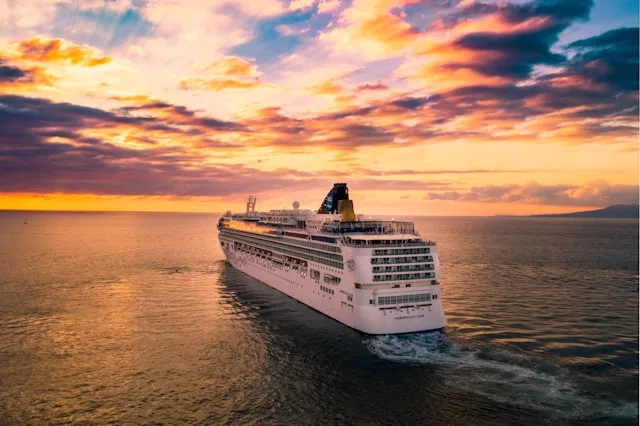
Livorno's port authority has committed over €200 million to expanding passenger terminal infrastructure through 2028. The Darsena Europa project, now expected to come online in late 2026, will add a third cruise berth with shore power capabilities and increase homeporting capacity for vessels up to 330 metres. Moby S.p.A. is deploying two new LNG-powered ferries on the Sardinia route. MSC Cruises has signalled a 15% increase in Livorno calls, contingent on cold ironing availability. On paper, Tuscany's principal maritime gateway is preparing for a step change in scale.
The problem is not capital. It is people. Livorno's port sector reported an average vacancy duration of 147 days for port management executives in 2024, more than double the 68-day average for equivalent logistics roles in Milan. Only 12 licensed maritime pilots serve the port's entire commercial traffic. Four of them face mandatory retirement by 2027, and no new pilot licences have been issued since 2022. Terminal operations directors capable of managing both ro-ro ferry logistics and cruise passenger experience standards take 8 to 12 months to recruit. The infrastructure investment is running ahead of the workforce that will operate it.
What follows is an analysis of the forces reshaping Livorno's maritime passenger sector, the specific roles where the gap between demand and supply is most acute, and what senior hiring leaders in this market need to understand before the next expansion cycle begins in earnest.
A Port Recovering to a Ceiling It Cannot Yet Raise
Livorno handled approximately 840,000 cruise passenger movements in 2024, recovering to 85% of pre-pandemic levels. Ferry traffic has remained more stable at roughly 2.8 million passengers annually, with Grimaldi Lines and Moby dominating the Sardinia routes and Corsica Ferries controlling an estimated 60% of Corsica-bound volume. Together, Livorno accounts for over 95% of Tuscany's total maritime passenger traffic.
But the recovery has run into a physical constraint. The Darsena Toscana cruise terminal has a maximum draft of 11 metres, which excludes the latest generation of XL-class cruise ships exceeding 140,000 GT. According to CLIA's fleet analysis, only 60% of the global cruise fleet can physically call at Livorno's main terminal. Larger vessels must anchor offshore or divert to Civitavecchia, Rome's deeper-water port.
The Darsena Europa expansion is designed to solve this bottleneck. Its projected activation in Q4 2026 would increase simultaneous cruise ship capacity from two vessels to three and enable homeporting for ships up to 330 metres. The port authority's business plan projects annual throughput rising to 1.4 million passengers by 2027. MSC Cruises has already indicated it would increase Livorno calls by 15% in 2026, provided shore power infrastructure is operational.
Yet this expansion sits in tension with the regulatory environment. The port's proximity to the Arcipelago Toscano National Park subjects it to strict emission controls under the 2024 Italian Green Act, which mandates a 50% reduction in port emissions by 2030. Environmental organisations including Legambiente and WWF Italia have mounted legal challenges against the dredging permits required for Darsena Europa. If those challenges succeed, the capacity expansion that underpins every 2026 and 2027 hiring plan could stall at current levels.
This is the core strategic tension facing every employer in this cluster. Workforce planning assumes growth. Regulatory risk suggests possible stagnation. Hiring leaders who build teams for the expansion scenario without contingency for the constrained scenario are exposed on both flanks.
The Structural Skills Mismatch Behind Livorno's Vacancy Numbers
General Unemployment Masks Specific Shortage
Livorno province recorded an unemployment rate of 7.8% in Q3 2024, well above the Italian national average of 6.2%. That figure suggests labour market slack. It would be natural to assume that a port investing hundreds of millions in expansion can draw from the surrounding workforce.
The vacancy data tells a different story. Port management executive roles averaged 147 days to fill, more than double the benchmark for comparable logistics positions in Milan. Terminal operations directors at Grimaldi Lines and Moby reportedly experience search cycles of 8 to 12 months, stalled by the requirement for dual competencies in maritime logistics and luxury hospitality service standards.
The disconnect is not about headcount. It is about certification, language capability, and specialised experience that the local labour market simply does not produce in sufficient volume.
The Training Infrastructure Gap
No specialised tertiary institution in Tuscany offers a degree programme in cruise or ferry terminal management. Candidates with formal maritime management qualifications must be sourced from the Università Parthenope in Naples or the University of Maritime Studies in Genoa. This geographic friction in talent development means Livorno's port employers are permanently recruiting from outside the region for their most critical roles, competing against the very institutions where those candidates trained and often already work.
The emerging skills requirements compound the problem. The EU's Fit for 55 regulatory framework mandates shore-side electricity availability for all major ports by 2030, and Livorno's €45 million investment cycle for 2026 focuses on electrical infrastructure and LNG bunkering facilities. Roles in shore power technical management, digital passenger processing, and decarbonisation strategy are now hiring requirements, not future projections. ISPS Code certification, Port Community System proficiency, and LNG bunkering safety credentials sit alongside traditional maritime expertise as baseline qualifications for senior operational roles. The candidate who holds all of these is not browsing job boards. They are already employed, typically at a competing port.
The Pilot Crisis: A Retirement Wave With No Succession Pipeline
The most acute shortage in Livorno's maritime sector is not a management role. It is a licensed profession with a decade-long training pathway and no mechanism for accelerated production.
Livorno's commercial traffic is served by just 12 licensed maritime pilots. Mandatory retirement at age 65 will remove four of them by 2027. Qualifying as a maritime pilot requires a minimum of 10 years of sea service followed by examination. No new licences have been issued at Livorno since 2022. The profession is 100% passive: every qualified pilot in Italy is employed until retirement. Annual turnover is below 2%.
This is not a shortage that recruitment can resolve in normal terms. You cannot hire a pilot who does not exist. The pipeline that produces them operates on a timeframe measured in decades, and the current pipeline is empty at the Livorno end. According to reports, Civitavecchia has already recruited senior harbour pilots away from Livorno in the 2023 to 2024 period, offering relocation packages and higher shift premiums.
The implications extend beyond the pilot corps itself. If Livorno cannot replace retiring pilots, vessel handling capacity degrades. A port that cannot guarantee pilot availability for arriving cruise ships loses calls to ports that can. The Darsena Europa expansion assumes three simultaneous cruise berths. Operating three berths with eight pilots instead of twelve introduces scheduling constraints that no amount of infrastructure investment can offset.
This is the analytical point that the investment narrative around Livorno's port misses entirely. Capital has moved faster than human capital can follow. The €200 million infrastructure programme and the €45 million green transition investment presuppose a workforce that can operate expanded, technologically upgraded facilities. But the most critical role in the entire operation, the harbour pilot, is governed by a training cycle that began its current drought years before the expansion was approved. The investment timeline and the talent timeline are fundamentally misaligned.
What Genoa and Civitavecchia Take From Livorno's Talent Pool
Livorno does not compete for maritime talent in isolation. It sits between two larger, better-resourced ports that consistently draw from the same candidate pool.
Genoa, 170 kilometres up the Ligurian coast, handles 2.4 million cruise passengers annually, more than double Livorno's volume. It serves as the headquarters for both Costa Crociere and MSC's administrative offices. This creates a "headquarters effect" that mid-level managers in Livorno find difficult to ignore. The career trajectory available at a port handling twice the traffic, hosting the head offices of the two largest cruise brands calling in the Western Mediterranean, is materially different from what Livorno can offer. Genoa also pays more. Operations managers in Genoa earn €72,000 to €85,000 compared to Livorno's €58,000 to €72,000, a premium of 15 to 25% for equivalent roles.
Civitavecchia compounds the problem from the south. As Rome's primary cruise port, it offers deeper drafts, more berths, and proximity to the capital's broader labour market. Its successful recruitment of Livorno pilots in 2023 and 2024 illustrates the dynamic: a larger port with superior infrastructure can offer relocation packages and shift premiums that Livorno's constrained operational budgets cannot match.
For environmental compliance and sustainability executives, the competition extends beyond Italy. Barcelona and Rotterdam attract Italian professionals with net salaries 30 to 40% higher after tax adjustment, according to LinkedIn Talent Insights migration pattern data. Livorno retains a cost-of-living advantage, with residential costs approximately 35% below Barcelona's city centre according to Numbeo's 2024 index. But cost of living is a retention argument, not a recruitment argument. It keeps people who are already there. It rarely persuades someone in Barcelona or Rotterdam to move.
The compensation gap between Livorno and its nearest competitor is not an abstract market dynamic. It is widening fastest at exactly the seniority levels where the most critical roles sit. Terminal directors, sustainability heads, and senior harbour pilots can all earn meaningfully more by moving to a port within a few hours' travel. The question for Livorno's employers is not whether to pay more. It is whether a compensation strategy anchored to local benchmarks can survive contact with the broader Mediterranean talent market.
Seasonal Volatility and the Permanent Hiring Disincentive
Livorno's maritime passenger sector concentrates 70% of its revenue into a 120-day window between June and September. This seasonal compression shapes every employment decision.
The sector directly employs approximately 3,500 individuals in Livorno province. Of these, 65% hold seasonal contracts running from May to October. Terminal Stazioni Marittime, the private concessionaire operating cruise and ferry terminals, scales from a modest permanent core to over 400 seasonal workers during peak months. Excursion operators and ground transport providers add another 150 seasonal roles. The broader port zone generates around 1,200 FTE during peak season and contracts to 400 in winter.
Seasonal turnover among passenger service agents runs at 45% annually. This high churn at entry level has a compounding effect on the talent pipeline for supervisory and management positions. The traditional pathway from seasonal agent to permanent supervisor to terminal manager depends on people returning season after season, accumulating institutional knowledge and operational experience. A 45% annual departure rate means that pathway is broken for nearly half the workforce each cycle.
The disincentive for permanent hiring is economic, not cultural. A seasonal employer generating 70% of revenue in four months faces a rational calculation: permanent headcount carries twelve months of fixed cost against four months of peak utilisation. The result is an embedded reluctance to invest in the permanent, senior roles that the port's expansion programme requires.
Housing costs reinforce the cycle. Average rent in Livorno of €850 per month for a one-bedroom flat consumes 45% of a seasonal worker's net salary. Workers who cannot afford to stay between seasons leave for inland logistics hubs where year-round employment is available. The seasonal model that keeps labour costs flexible in the short term is draining the local talent base in the long term.
The Automation Paradox: Fewer Entry Roles, More Specialist Demand
Implementation of biometric boarding systems and automated baggage handling at Livorno's terminals threatens 30 to 40% of entry-level terminal agent roles by 2028, according to projections consistent with the World Economic Forum's Future of Jobs analysis and the port authority's own digitalisation roadmap.
The intuitive reading of this trend is that automation reduces headcount. The reality is more complex. Automation eliminates one category of worker and creates demand for another that does not yet exist in sufficient numbers locally. Shore power technical management, LNG bunkering safety oversight, digital passenger processing system administration, and decarbonisation compliance monitoring are all roles that Livorno's port cluster needs now or will need within two years. None of these roles existed in the port's organisational charts five years ago.
The shore power infrastructure at Darsena Toscana is already operational but utilised by only 30% of calling vessels, largely due to technical compatibility issues with older ferry fleets. As the EU's Alternative Fuels Infrastructure Regulation tightens compliance requirements toward 2030, the technical staff required to operate and troubleshoot these systems will become as critical as the pilots who guide vessels into berth. The difference is that the pilot shortage is governed by a ten-year training cycle that cannot be compressed. The technical specialist shortage is governed by a training and certification ecosystem that barely exists yet.
Moby's deployment of two new LNG-powered vessels on the Livorno to Olbia route by summer 2026 crystallises the challenge. Deck crews require retraining for dual-fuel operations. Technical officers with LNG certification are 70% passive, receiving multiple offers before they enter any active market. An employer trying to source these specialists through conventional job advertising reaches a fraction of the viable candidate pool.
What This Market Requires From Executive Search
The talent dynamics in Livorno's cruise and ferry sector present a specific set of conditions that conventional hiring methods cannot address.
Maritime pilots are 100% passive. Senior terminal operations directors are 80 to 85% passive. LNG and dual-fuel technical officers are 70% passive. These are not estimates derived from general market surveys. They reflect the structural reality of a licensed, specialised, and geographically concentrated profession where every qualified candidate is already employed, usually at a competing port.
The 147-day average vacancy duration for port management executives is not a function of poor job advertising. It is a function of the candidate pool being invisible to any process that waits for applications. A direct headhunting methodology that maps and approaches passive candidates across Italian and Mediterranean ports is not a premium service in this market. It is the only method that reaches the candidates who can actually fill these roles.
The compensation data underscores the precision required. Terminal directors in Livorno earn €95,000 to €130,000 with a 15 to 20% performance bonus. Environmental compliance directors earn €80,000 to €110,000. Shore excursion heads at the Mediterranean regional level earn €75,000 to €95,000. These bands are competitive within Tuscany but sit below Genoa and materially below Barcelona and Rotterdam. An effective search in this market must benchmark offers against the actual alternatives each candidate holds, not against local norms. Accurate market benchmarking is the difference between an offer that lands and an offer that confirms a candidate's decision to stay where they are.
KiTalent's approach to executive search in maritime and industrial sectors is built for exactly these conditions: markets where the critical candidates are employed, not looking, and reachable only through direct, confidential engagement. With a 96% one-year retention rate across 1,450 executive placements, the model is designed to identify candidates whose motivations align with the role, not just candidates whose CVs match the specification. In a market where a poor senior hire can stall a terminal expansion or leave a vessel without pilot coverage, retention is not a secondary metric. It is the primary one.
For organisations hiring terminal directors, sustainability leaders, or technical specialists in Livorno's expanding port cluster, where the candidates you need are employed at Genoa, Civitavecchia, or Barcelona and are not visible on any job board, speak with our executive search team about how we approach this market.
Frequently Asked Questions
What are the hardest executive roles to fill in Livorno's cruise and ferry sector?
The three most constrained roles are maritime pilots, terminal operations directors, and environmental compliance specialists. Maritime pilots face a succession crisis: only 12 serve the port, four retire by 2027, and no new licences have been issued since 2022. Terminal operations directors require rare dual competencies in maritime logistics and luxury hospitality standards, resulting in search cycles of 8 to 12 months. Environmental compliance directors must combine EU regulatory expertise with port-specific technical knowledge of shore power and LNG infrastructure that few candidates possess.
How does Livorno's maritime executive compensation compare to other Italian ports?
Livorno pays 15 to 25% less than Genoa for equivalent terminal management roles. Operations managers in Livorno earn €58,000 to €72,000 compared to €72,000 to €85,000 in Genoa. At executive level, terminal directors in Livorno earn €95,000 to €130,000 plus performance bonuses. Internationally, Barcelona and Rotterdam offer sustainability executives net salaries 30 to 40% higher after tax adjustment. Livorno's lower cost of living partially offsets the gap but does not close it for candidates weighing relocation.
Why are most senior maritime candidates in this market passive?
Licensed maritime professions create near-zero voluntary turnover. All qualified harbour pilots are employed until mandatory retirement, making the pool 100% passive. Senior terminal directors are 80 to 85% passive, typically working at competing ports. LNG technical officers are 70% passive, receiving multiple offers before entering any active market. These candidates do not respond to job postings. Reaching them requires direct, confidential executive search that identifies and approaches individuals already in comparable roles.
What impact will the Darsena Europa expansion have on hiring demand?
The Darsena Europa terminal, projected for activation in late 2026, will increase simultaneous cruise ship capacity from two to three vessels and enable homeporting for ships up to 330 metres. The port authority projects annual throughput rising to 1.4 million passengers by 2027. This expansion will require additional terminal operations managers, shore power technicians, LNG bunkering safety officers, and passenger experience directors. However, environmental permitting disputes could delay or constrain the expansion, creating uncertainty in workforce planning.
How does seasonal volatility affect executive recruitment in Livorno's port sector?
Seventy percent of sector revenue concentrates into 120 days between June and September. This drives 65% seasonal employment and a 45% annual turnover rate among entry-level terminal staff. The seasonal model disincentivises permanent hiring and erodes the pipeline for supervisory roles, since experienced workers leave for year-round employment elsewhere. Executive candidates evaluating Livorno weigh this volatility against more stable port environments in Genoa or Civitavecchia. Employers seeking to attract permanent senior leaders must offer compelling propositions beyond base compensation, including role scope and long-term career trajectory tied to the expansion programme.
What EU regulations are shaping talent demand at Italian ports like Livorno?
The EU Fit for 55 package and the Alternative Fuels Infrastructure Regulation require shore-side electricity for all major ports by 2030. Italy's Green Act mandates 50% emission reductions at ports by the same date. These regulations are driving €45 million in 2026 investment at Livorno for electrical infrastructure and LNG bunkering. The direct talent consequence is surging demand for shore power technical managers, sustainability directors, and dual-fuel engineering officers, roles that barely existed in port organisational structures five years ago and that remain difficult to source through conventional talent acquisition channels.