Olbia Port Logistics: €47 Million in Modernisation, 23 Graduates to Run It
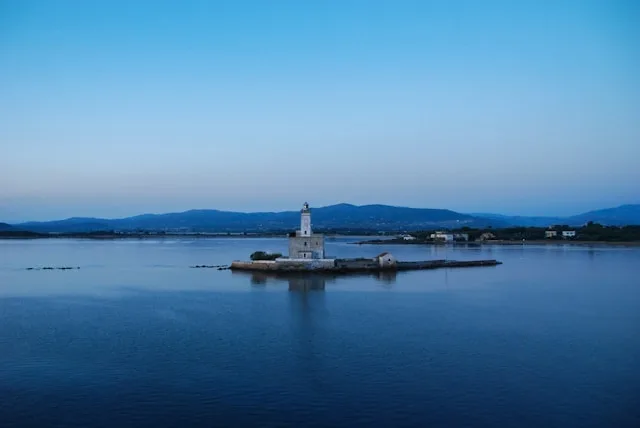
Olbia's Port Isola Bianca processed 1.42 million linear metres of ro-ro freight in the first nine months of 2025 alone. Ferry operators ran at 94% capacity on the Genoa and Livorno routes. Warehouse occupancy in the logistics zone hit 91%. By every throughput measure, the port is performing. The Italian government responded accordingly, committing €47 million under the PNRR to automate gate systems, expand ro-ro yard capacity, and build a green corridor. The infrastructure is arriving. The people to operate it are not.
In the entire province of Sassari, which includes Olbia, exactly 23 students graduated with technical diplomas in transport and logistics during the 2023-2024 academic year. The port's modernisation programme requires an additional 120 to 150 skilled logistics technicians who do not currently exist in the local labour market. This is not a matter of compensation or employer branding. It is a pipeline that was never built, confronting an infrastructure programme that assumed it was already there. Regional unemployment sits at 14.2%, yet the roles going unfilled demand certifications and operational experience that general unemployment cannot supply.
What follows is an analysis of the forces reshaping Olbia's maritime and logistics sector, the structural mismatch between capital investment and human capital, and what organisations operating in this market need to understand before they attempt to fill leadership and specialist roles in one of the Mediterranean's most unusual port environments.
A Consumption Port, Not a Cargo Port
The first thing any hiring leader must understand about Olbia is what kind of port it actually is. Isola Bianca handled approximately 3.2 million passengers and 1.8 million linear metres of ro-ro freight in 2023. Those are strong numbers. They are also misleading if read through the lens of a conventional logistics hub.
Olbia is not Genoa. It is not Livorno. It does not function as a transshipment centre or an export gateway for Sardinian production. It functions as a consumption node for one of Europe's most concentrated luxury tourism corridors. The Costa Smeralda hospitality cluster drives demand: fresh produce from Campania, luxury goods from Milan, event equipment, yacht provisioning. Freight volumes exist to serve tourists, not to move industrial output.
What This Means for the Workforce
This distinction matters because it determines the shape of every hiring challenge in the market. A consumption-driven port generates employment in customs clearance, cold chain coordination, and last-mile hospitality logistics. An export-production port generates employment in container handling, intermodal coordination, and bulk freight management. Olbia's talent needs are specific. A port operations manager from Genoa with deep container terminal experience may be overqualified in one dimension and underqualified in the one that matters: managing the volatile, seasonal, high-value supply chain that keeps the Costa Smeralda running from April to October.
Federlogistica projects a 6% compound annual growth rate for Sardinian port logistics through 2026, with Olbia capturing disproportionate growth in what the industry now calls "luxury tourism logistics." This includes high-value foodstuffs, event equipment, and yacht provisioning. It does not include bulk cargo. The talent implications are precise: Olbia needs specialists who understand both maritime operations and premium hospitality supply chains, a combination that barely exists as a defined career path.
The Seasonality Trap That Drives Every Hiring Decision
Operational roles in Olbia's port and logistics zone spike by 340% between March and June every year, according to ANPAL Servizi data. Seasonal contracts represent 68% of the total logistics workforce. Direct port and logistics employment is expected to expand from 3,400 full-time equivalents in 2024 to 3,750 by the third quarter of 2026. The majority of that growth is seasonal.
This creates what the Sardinian regional labour report describes as a "hollow" employment market. The pattern is straightforward. Intense competition for labour from March to October. Winter underemployment. Repeat. Year after year, the cycle discourages the one thing that would solve the specialist shortage: permanent relocation of skilled logistics professionals and their families to Olbia.
The commuter workaround is already at its limit. Sassari sits 90 kilometres away. It is the nearest source of professional talent with any concentration. But a customs broker or operations manager commuting from Sassari to Olbia for a seasonal contract is not building a career. They are filling a gap. And the gap reopens every November.
Why Seasonal Contracts Repel the Talent the Port Needs Most
For warehouse operatives and junior freight forwarders, seasonal work is the norm. Application volumes are high. Annual churn runs at 45%. The market clears, imperfectly but reliably.
The problem sits one or two levels higher. Customs brokers with Authorised Economic Operator certification show an estimated 85% passive candidate rate, according to PageGroup Italy. Their average tenure with a current employer is 8.2 years. Maritime operations directors are 90% passive. These are professionals who do not respond to job postings. They do not move for seasonal contracts. And they do not relocate to a market where 68% of the workforce disappears in October unless the proposition is exceptional on every dimension: compensation, career trajectory, role scope, and year-round stability.
The result is a market where the roles that matter least are easiest to fill, and the roles that matter most are nearly impossible. The cost of leaving a senior logistics leadership role vacant for a full season is not theoretical in Olbia. It is measured in delayed vessel turnarounds, missed customs compliance deadlines, and hospitality operators whose supply chains break down during the exact months they generate their entire annual revenue.
The Automation Paradox: Infrastructure That Outpaces Its Own Workforce
The €47 million PNRR allocation for Olbia's Green Corridor initiative targets 2026 completion of an automated gate system and expanded ro-ro yard capacity. When complete, it will increase ro-ro processing capacity by an estimated 15%. The electrification of berths 5 through 7 is already underway to support shore power for Grimaldi's hybrid vessels. Two berths had full cold-ironing capability as of October 2025.
This is the right investment. It is also an investment that has moved faster than the workforce required to operate it.
Twenty-three graduates. That figure from the Italian Ministry of Education is the entire output of transport and logistics technical education in the province of Sassari for the 2023-2024 year. The port needs 120 to 150 skilled logistics technicians to operate new systems. The local education pipeline produces enough to staff a single shift at a single terminal.
Here is the analytical claim that sits beneath every other finding in this research: Olbia's port modernisation has not reduced the need for workers. It has replaced one category of worker with another that the region's education system was never designed to produce. The automation investment assumed a workforce that could operate digital logistics platforms, manage automated gate systems, and coordinate hybrid vessel shore-power connections. That workforce does not exist locally. Regional unemployment at 14.2% represents people available for work. It does not represent people qualified for the work that now needs doing.
This is not a recruitment problem. It is a systemic mismatch between capital deployment and human capital formation. And it will not resolve itself through better job advertising or higher starting salaries. It requires either importing talent from the mainland or building a training pipeline that does not currently exist. Both options take years. The automated gate system is scheduled for 2026.
Regulatory Pressure Is Consolidating the Market and Shrinking the Talent Pool
Three regulatory forces are converging on Olbia's logistics operators simultaneously, and each one demands specialist talent the market struggles to supply.
The EU Emissions Trading System and FuelEU Maritime
The extension of the EU Emissions Trading System to maritime transport has increased operational costs for ferry operators on Sardinian routes by an estimated 8 to 12%. FuelEU Maritime, effective from 2025, mandates progressive reduction in greenhouse gas intensity. For Olbia's short-sea ferry routes, compliance means either LNG retrofitting at heavy capital cost or biofuel premiums that add approximately 15% to operational expenditure.
The consequence for talent is indirect but real. Smaller operators that cannot absorb these costs face market exit. Consolidation around larger operators like Moby, Grimaldi, and GNV concentrates employment but also concentrates hiring power. When three employers dominate a market, they set the terms. Candidates with alternatives on the mainland face a narrower set of potential employers in Olbia, which reduces the perceived career optionality that attracts senior talent to any market.
The EU Single Window Environment for Customs
Implementation of the EU Single Window Environment for Customs requires logistics operators to migrate to standardised digital platforms. According to the Italian Customs Agency, an estimated 40% of small freight forwarders in Olbia lack the IT infrastructure or trained personnel to comply. Those that cannot adapt will exit the market.
This is where the customs broker shortage becomes acute. The 34 licensed customs agencies in the province of Sassari handle approximately 45,000 declarations annually for the port. Unioncamere Sardegna reports a 28% vacancy rate for customs brokers with AEO certification across northern Sardinia. The regional average for professional vacancies is 12%. Senior declarant roles take 4.5 months to fill, compared to 1.8 months for generic administrative positions.
The firms most likely to survive consolidation are those that have already invested in digital compliance infrastructure and secured the customs talent to operate it. The firms most likely to exit are those that delayed both investments. This will reduce the total number of employers but intensify competition for the specialists who remain, because every surviving firm will need the same compliance and customs expertise that was scarce before consolidation began.
Compensation: Competitive on Paper, Complicated in Practice
The salary data for Olbia-based logistics leadership tells a specific story. It is a story of ranges that look reasonable in isolation and become problematic only when measured against competitor markets and the structural conditions attached to the roles.
A Customs and Compliance Director in Olbia commands €95,000 to €135,000 annually in total compensation. A Port Operations Manager earns €52,000 to €68,000. A Logistics Director for the tourism supply chain sits at €85,000 to €120,000 with seasonal performance bonuses of 15 to 20%. A Maritime Operations Director at a major ferry operator reaches €110,000 to €160,000 with long-term incentive plans.
These ranges sit approximately 10% below Milan and Rome equivalents. On a cost-of-living adjusted basis, the differential narrows. But cost-of-living comparisons miss the point.
The Real Compensation Competition Is Not About Money
Mainland port cities offer 15 to 25% salary premiums for equivalent roles. After cost-of-living adjustment, according to Michael Page Italy's supply chain and procurement data, the net advantage narrows to 8 to 12%. That is manageable. What is not manageable is the stability differential. Genoa and Livorno offer year-round employment. Olbia offers seasonal intensity and winter uncertainty. For a candidate with a family considering relocation, the salary negotiation is not about the number on the contract. It is about whether the contract exists in February.
Cagliari competes on a different axis entirely. The regional capital offers public sector employment through the Port System Authority and regional customs agencies. Base salaries are lower. But stability is absolute. For customs professionals in particular, the choice between a higher-paying private sector role in Olbia with seasonal exposure and a lower-paying permanent position in Cagliari's public sector is not the straightforward calculation that Olbia's employers wish it were.
At the executive level, the competition extends beyond Italy. Barcelona and Marseille offer maritime operations directors career trajectory advantages through exposure to container and cruise operations absent in Olbia's ferry-specialised environment. They also offer English-language working environments rare in Sardinian logistics. A Maritime Operations Director earning €140,000 in Olbia faces a proposition question that goes beyond compensation: does this role lead anywhere, or does it plateau in a market defined by ferry schedules and summer peaks?
Candidates with dual Italian-UK customs expertise command premiums of 20 to 25% above standard ranges, driven by post-Brexit regulatory complexity. This premium is real and well-documented across salary benchmarking data for the sector. But it also means the most valuable customs talent has the most options, and Olbia is rarely the option that offers the broadest future career path.
The Employers Competing for the Same Small Pool
Understanding who employs logistics talent in Olbia is essential to understanding why searches stall. The market is concentrated around a small number of anchor employers, each with distinct workforce models.
Moby S.p.A. is the dominant operator on Sardinian ferry routes. It maintains its primary Sardinian operational headquarters and crew base in Olbia, employing approximately 450 permanent staff and 800 seasonal workers across navigation, port operations, and maintenance. Grimaldi Lines operates daily services to Livorno and Civitavecchia with a dedicated ro-ro terminal team of 120 permanent employees and substantial third-party stevedoring contracts through Logmarin. Grandi Navi Veloci, an MSC Group subsidiary, expanded its Olbia-based maintenance crew by 15% in 2024.
In logistics and freight forwarding, Autamarocchi operates a dedicated yard at Isola Bianca with 85 staff. DHL Supply Chain Italy runs a seasonal distribution centre for luxury hospitality clients in the Arzachena corridor, with 40 permanent and 120 seasonal warehouse operatives.
The Autorità di Sistema Portuale del Mare di Sardegna employs 180 civil servants and technical staff at its Olbia headquarters. Geasar, the airport operator controlled by F2i and Investindustrial, employs 220 permanent staff with indirect support for 1,200 ground handling and logistics jobs.
When every major employer in a market of this size needs the same customs, compliance, and operations talent, the arithmetic is unforgiving. A senior customs broker who changes employers in Olbia is not entering a new market. They are walking across the port. Their former employer knows immediately. The social dynamics of a concentrated employer market create retention pressures that salary benchmarks alone do not capture.
What This Market Requires from a Search Strategy
Traditional recruitment methods reach the active candidate market. In Olbia's logistics sector, the active market consists of seasonal warehouse operatives, junior freight forwarders, and administrative staff. These roles clear through job postings, albeit with high turnover.
For every role above that tier, the candidate market is overwhelmingly passive. Eighty-five percent of customs brokers with AEO certification are not looking. Ninety percent of maritime operations directors will not respond to an advertised vacancy. The typical search for a senior declarant role takes 4.5 months even when agencies are engaged.
The implications are specific. A firm posting a Port Operations Manager role on a job board in Olbia will receive applications. They will be from candidates who lack the combined maritime operations and digital logistics platform experience that 73% of operators report needing, according to Confetra Sardegna. The candidates who possess that combination are already employed, likely at one of the three or four firms listed above, and they are not browsing job listings.
Reaching them requires direct identification and approach through structured talent mapping. It requires understanding which professionals at which employers have the specific combination of ferry operations experience, digital systems fluency, and regulatory certification that Olbia's modernising port demands. And it requires presenting a proposition that addresses the seasonality concern, the career trajectory question, and the relocation calculus simultaneously.
For organisations competing for customs, compliance, and maritime operations leadership in Sardinia's most concentrated logistics market, where 85 to 90% of qualified candidates are not visible on any job board and the cost of a four-month vacancy runs directly into peak season revenue, start a conversation with our executive search team about how KiTalent approaches these searches. With a pay-per-interview model that delivers interview-ready candidates within 7 to 10 days and a 96% one-year retention rate, KiTalent's approach is built for markets where the talent you need must be found, not advertised to.
Frequently Asked Questions
What are the hardest logistics roles to fill in Olbia?
Customs brokers with Authorised Economic Operator certification and ro-ro operations managers with combined maritime and digital logistics experience are the most difficult roles to fill. Customs broker vacancies in northern Sardinia run at 28%, more than double the regional average for professional roles. Senior declarant positions take an average of 4.5 months to fill. Maritime operations directors are 90% passive, meaning they are employed and not responding to advertised vacancies. Seasonal warehouse and freight forwarding roles, by contrast, attract high application volumes but experience 45% annual churn.
What do senior logistics roles pay in Olbia?
A Customs and Compliance Director earns €95,000 to €135,000 annually. A Maritime Operations Director at a major ferry operator commands €110,000 to €160,000 with long-term incentives. A Port Operations Manager earns €52,000 to €68,000. A Logistics Director for the tourism supply chain earns €85,000 to €120,000 with seasonal performance bonuses of 15 to 20%. These ranges sit approximately 10% below Milan and Rome equivalents but narrow on a cost-of-living adjusted basis. Candidates with dual Italian-UK customs expertise command premiums of 20 to 25%.
Why is Olbia's logistics talent market so seasonal?
Olbia's port exists primarily to serve the Costa Smeralda tourism corridor. Passenger volumes concentrate 78% between June and September at the airport, with corresponding demand spikes for customs clearance and warehousing. Seasonal contracts represent 68% of the logistics workforce. This pattern discourages permanent relocation by skilled professionals, creating a cycle where employers rely on commuter talent from Sassari or seasonal migrant workers rather than building a stable year-round specialist workforce.
How does port automation affect hiring in Olbia?
The €47 million PNRR investment in automated gate systems and expanded ro-ro capacity will increase processing throughput by 15% but requires 120 to 150 skilled logistics technicians not currently available locally. The province of Sassari produced only 23 transport and logistics graduates in 2023-2024. Automation has not reduced workforce requirements. It has replaced one category of worker with another that the regional education system does not produce, creating a systemic gap between infrastructure investment and available talent.
How can companies recruit passive logistics talent in Sardinia?
With 85% of qualified customs brokers and 90% of maritime operations directors classified as passive candidates, job postings reach only a fraction of the viable market. Effective recruitment in this environment requires direct identification of specific professionals through structured headhunting and talent mapping rather than advertising. KiTalent's AI-enhanced direct search methodology identifies and approaches these candidates with tailored propositions, delivering interview-ready shortlists within 7 to 10 days even in highly specialised markets like Sardinian port logistics.
What regulatory changes are affecting Olbia's logistics employers?
Three regulations are converging: the EU Emissions Trading System for maritime, which has raised ferry operating costs by 8 to 12%; FuelEU Maritime, mandating greenhouse gas intensity reductions; and the EU Single Window Environment for Customs, requiring digital platform migration. An estimated 40% of small freight forwarders in Olbia lack the infrastructure or personnel to comply with the customs digitalisation requirement, which is accelerating market consolidation and intensifying competition for the compliance specialists who remain.