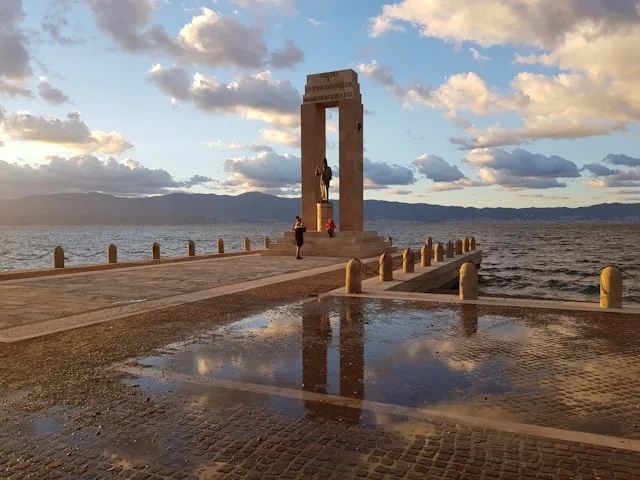
Reggio Calabria's Hospitality Investment Is Accelerating. Its Workforce Is Not.
Reggio Calabria's metropolitan area recorded 1.2 million tourist arrivals in 2023, a figure that sounds healthy until you examine how that demand distributes across the calendar. Seventy-eight per cent of those arrivals landed in July and August. For eight months of the year, hotels in one of southern Italy's most culturally rich cities operated below 25% occupancy. For two months, coastal properties ran at 85%. This is not a demand problem. It is a structural imbalance that shapes every hiring decision, every investment case, and every operational plan in the market.
The imbalance matters now more than it has in the past decade because capital is arriving. Over €200 million in port expansion, €18 million in museum digitisation, €45 million in waterfront restoration, and a pipeline of boutique palazzo conversions are collectively designed to lift Reggio Calabria from a regional summer destination into a year-round cultural tourism market. The investment thesis is clear. The workforce thesis is not. Federalberghi projects a regional shortage of 8,000 hospitality workers for the 2026 summer season, with the Reggio Calabria metropolitan area alone requiring 2,500 seasonal additions that local supply cannot deliver.
What follows is an analysis of the forces reshaping Reggio Calabria's hospitality sector, why the talent crisis runs deeper than seasonal staffing gaps, and what organisations operating in this market need to understand before they commit capital, open properties, or attempt to hire the leaders who will run them.
A Market Where Capital Has Outpaced Human Capital
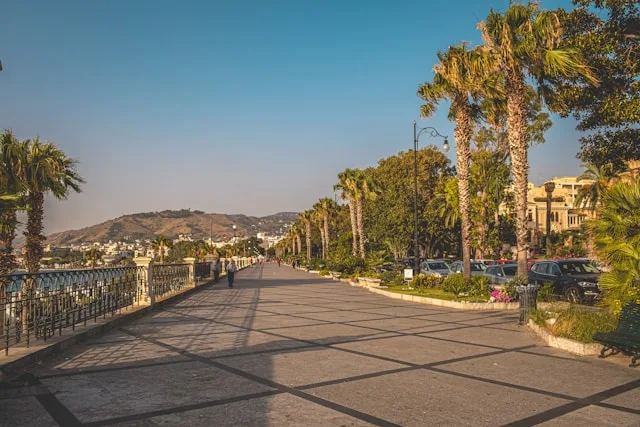
The PNRR (National Recovery and Resilience Plan) allocations flowing into Reggio Calabria represent the most concentrated infrastructure investment this part of Calabria has received in a generation. The numbers tell a clear story of intent: €200 million for port expansion, enabling cruise vessels up to 300 metres to berth by mid-2026. €18 million for the Museo Nazionale della Magna Grecia's digitisation programme. €45 million for waterfront promenade restoration along the Lungomare Falcomatà. Historic palazzos along Via Marina and Corso Garibaldi are being converted into boutique properties, projected to add 150 to 200 high-end keys by 2026.
Yet the investment has moved faster than the workforce could follow. This is the analytical spine of the Reggio Calabria hospitality market in 2026: capital has arrived to build a new kind of tourism economy, but the professionals needed to operate it at the level the investment demands do not exist in sufficient numbers locally, and the market's structural characteristics make it difficult to attract them from elsewhere.
No major international hotel flag has announced entry into Reggio Calabria. Not Four Seasons. Not Marriott. Not Accor. The boutique conversions are locally financed and independently managed. This is not a criticism of the properties. It is a description of the talent market they create. Independent operators compete for general managers, food and beverage directors, and revenue management specialists without the training pipelines, employer brand recognition, or compensation frameworks that international chains provide. A general manager candidate weighing a role in Reggio Calabria against an equivalent position at a flagged property in Puglia or the Amalfi Coast is weighing a fundamentally different career proposition.
The port expansion illustrates the disconnect further. According to the Cruise Lines International Association's Mediterranean Report, cruise tourism generates an average of 0.3 hotel nights per passenger, compared to fly-in tourists who stay substantially longer. Projections of 45,000 to 60,000 additional cruise passengers annually will generate food service demand, excursion staffing needs, and retail footfall. They will not fill hotel rooms on Tuesday nights in November. The investment is real. The year-round employment it generates is less certain than the headlines suggest.
The Seasonality Trap and Why It Strangles Talent Supply
Seasonality is not a new challenge for Mediterranean hospitality markets. What makes Reggio Calabria's version of the problem particularly acute is its severity. According to ISTAT's accommodation movement data, 78% of the province's 1.2 million annual arrivals concentrate in two months. Coastal properties along the Lungomare Falcomatà and Gallico Marina hit 85% occupancy in August, then collapse below 25% from November through March. Annual average occupancy across the metropolitan city stood at just 42% in 2024.
This pattern creates a specific labour market failure. A qualified hospitality professional, whether a sous chef, a front office manager, or a revenue analyst, needs twelve months of income. Reggio Calabria's hotel sector, as currently structured, offers two months of intense demand, two months of moderate shoulder-season activity, and eight months where a third of properties reduce staff or close entirely.
The result is predictable: skilled workers leave. They move to Rome, Milan, or northern European hospitality markets where demand is distributed more evenly. The workers who remain tend to be those with the lowest mobility, often less experienced, less specialised, and less likely to deliver the service standards that high-end boutique properties and cruise-adjacent hospitality require.
The Airbnb Compression Effect
Short-term rental growth compounds the problem. Airbnb listings in Reggio Calabria grew 28% between 2022 and 2024, according to AirDNA market data. These listings absorb leisure demand during the peak season without generating corresponding employment. A three-bedroom apartment managed by its owner does not employ a concierge, a sommelier, or a housekeeping supervisor. It takes the revenue that would have supported those roles in a hotel and redirects it into an informal economy with limited tax contribution and zero structured employment.
For hotel operators, the compression is twofold. Pricing power during the peak season erodes because budget-conscious tourists have an alternative. And the revenue shortfall reduces the operator's ability to offer competitive year-round contracts to the professionals they need most. The cycle is self-reinforcing. Lower revenue leads to weaker employment propositions, which leads to higher turnover, which leads to lower service quality, which leads to lower pricing power.
Why Seasonal Contracts Fail to Attract Skilled Talent
The 2,500 seasonal workers Reggio Calabria's metropolitan area needs for summer 2026 represent a volume challenge. But the more consequential challenge is qualitative. The market needs experienced hotel general managers capable of repositioning independent three-star properties. It needs food and beverage directors who can design menus that justify boutique pricing. It needs revenue management professionals who can extend shoulder-season occupancy through strategic pricing and distribution. These are not seasonal roles. They are permanent leadership positions in a market that has historically been unable to sustain them.
The Supply Side: What Reggio Calabria's Hotel Market Actually Looks Like
Understanding the talent challenge requires understanding the supply it serves. The metropolitan area counts approximately 220 licensed hotels offering around 12,000 rooms. Independent three-star properties comprise 68% of this inventory. Chain-affiliated assets are a small minority. The average SME in the Costa Viola tourism cluster, stretching from Reggio Calabria to Scilla, employs twelve people.
This means the overwhelming majority of hospitality employers in the market are small, family-run, or locally owned businesses without dedicated HR functions, formal training programmes, or the administrative capacity to run structured executive searches. When these businesses need a chef, they ask their network. When they need a seasonal receptionist, they post locally. When they need a general manager capable of transitioning the property from a three-star summer stopover to a year-round boutique destination, they have no mechanism to find one.
The Luxury Gap
Only 3.2% of Calabria's regional hotel beds qualify as five-star luxury inventory, according to Federalberghi Calabria. The Italian national average is 8.5%. Within 30 kilometres of Reggio Calabria's city centre, the Altafiumara Resort and Spa in Scilla, employing approximately 60 staff, is the only property with any claim to international luxury recognition.
This gap constrains the talent pipeline in a specific way. Luxury hospitality professionals develop their skills in luxury environments. A revenue management director who has spent five years at a Belmond or a Rocco Forte property in Tuscany has been trained to a standard that does not exist in Reggio Calabria's current inventory. The boutique palazzo conversions scheduled for 2026 delivery will need professionals at this calibre. But the local market has not been producing them, because the properties that would have trained them have not existed.
The gap is circular. Without luxury properties, you do not develop luxury talent. Without luxury talent, you cannot operate luxury properties at the standard the investment requires. Breaking this cycle requires importing leadership from outside the market, which brings its own set of challenges around compensation, relocation, and the proposition needed to move passive candidates to a city that is not yet on their career map.
Cost Pressures Are Narrowing the Margin for Error
Even before the talent shortage is addressed, operational economics are tightening. Energy expenditures for hospitality businesses in Calabria rose 34% compared to 2021 baselines. Food procurement costs increased 19% over the same period, according to Fipe-Confcommercio's observatory data. These are not temporary spikes. They represent a structural increase in the cost base of running a hotel or restaurant in a region where pricing power remains constrained by seasonality and short-term rental competition.
For hiring leaders, the cost pressure translates directly into compensation limitations. A hotel operating at 42% average annual occupancy, facing a 34% increase in energy costs and a 28% growth in competing Airbnb supply, has a narrow margin within which to offer competitive salaries. The mathematics are unforgiving. The general manager capable of repositioning the property and extending its operating season is the same person who costs more to hire than the property can currently afford.
This is where the talent problem intersects with the investment problem. The PNRR-funded infrastructure improvements, the port expansion, and the cultural digitisation programme are designed to increase demand. But between the infrastructure completion and the demand materialisation sits a period where properties must invest in talent before the revenue arrives to pay for it. The properties that hire the right leadership early will be positioned to capture the demand when it arrives. The properties that wait for demand to justify the hire will find that every competitor made the same calculation, and the available talent has already been absorbed.
What the Port Expansion and Cruise Tourism Actually Mean for Employment
The Port of Reggio Calabria's €200 million expansion is the single largest infrastructure project affecting the hospitality sector. Funded 60% by PNRR Maritime funds, the expansion is scheduled for partial completion by the second quarter of 2026, enabling berthing capacity for vessels up to 300 metres. The projected injection of 45,000 to 60,000 additional cruise passengers annually has generated considerable optimism in local business associations.
The optimism deserves scrutiny. Cruise passengers generate economic activity differently from independent travellers. The 0.3 average hotel nights per cruise passenger, compared to multiple nights for fly-in tourists, means the employment generated is heavily concentrated in day-trip services: tour guides, bus operators, restaurant service staff, retail workers, and excursion coordinators. These are valuable roles, but they are not the roles that solve the hospitality sector's leadership deficit.
The Downstream Hiring Demand
What the cruise expansion does create is a secondary demand for hospitality management professionals who can design and coordinate shore excursion programmes, manage food service operations scaled for sudden daily surges of thousands of visitors, and build relationships with cruise line procurement teams. These are specialised skills. A shore excursion operations manager for a Mediterranean cruise port requires language capabilities, logistics expertise, and vendor management experience that the current local workforce has not had reason to develop.
The port expansion also introduces a timeline pressure. When partial operations begin in 2026, the staffing requirements will arrive abruptly. Cruise schedules are published months in advance. The vessels will dock. The passengers will disembark. If the hospitality infrastructure, both physical and human, is not ready, the first season's performance data will shape cruise line decisions about whether to return.
This is a market where talent mapping and proactive pipeline development matter more than reactive recruitment. The organisations that have already identified the general managers, operations directors, and service leaders they need will capture the first-mover advantage when the port opens. Those that begin searching after the first ships arrive will be competing for a depleted pool.
The Cultural Anchor and Its Underused Potential
The Museo Nazionale della Magna Grecia, home to the Bronzi di Riace, remains Reggio Calabria's most internationally recognised cultural asset. Its approximately 130,000 visitors in 2023 represented a 15% increase over 2022, but the figure remains below pre-pandemic levels. The museum employs 45 permanent staff with seasonal expansion to 70 during peak periods.
The €18 million PNRR digitisation investment is designed to modernise the visitor experience and extend the museum's reach beyond physical attendance. What this means for hospitality employment is indirect but real. A digitised, internationally marketed museum becomes a year-round draw rather than a summer supplement. It provides the content for off-season cultural tourism packages. It gives boutique hotel marketers something to sell in February.
The RCF Arena Reggio Calabria, with its 25,000-person capacity, has already demonstrated this effect in miniature. Twelve major events in 2024 generated combined attendance exceeding 180,000. Each event creates a concentrated hospitality demand spike that extends beyond the summer window. The challenge, again, is staffing. An arena event weekend requires the same front-of-house professionals, food service teams, and hotel operations staff that the regular season demands, but on 48 hours' notice and outside the established seasonal employment pattern.
For organisations considering leadership appointments in southern Italy's hospitality sector, the cultural infrastructure offers a genuine competitive advantage. But only if the leadership team can build the operational model to exploit it year-round, not just during the two months when the market fills itself.
What Hiring Leaders in This Market Must Do Differently
The conventional hospitality hiring approach in Reggio Calabria has been local, informal, and seasonal. For kitchen staff, reception teams, and housekeeping, this approach was adequate when the market consisted primarily of three-star summer properties. It is not adequate for what the market is becoming.
The boutique palazzo conversions, the cruise port operations, the arena-driven event tourism, and the cultural investment programme all require a different calibre of leadership. These roles require professionals who have operated in comparable environments elsewhere and who are willing to relocate to a market that is still emerging. The candidates are not in Reggio Calabria. They are in established Mediterranean hospitality markets: the Amalfi Coast, Sicily's eastern seaboard, Puglia, Sardinia, Barcelona, the Greek islands. They are passive. They are employed. They are not reading job advertisements for positions in a city they may never have considered.
Reaching these candidates requires direct headhunting methods that go beyond job boards and local networks. It requires understanding what proposition will move a food and beverage director from an established five-star property in Taormina to an independent boutique hotel in Reggio Calabria. The answer is not simply compensation. It is a combination of creative autonomy, the novelty of building something from the beginning, and the career narrative that comes from being the person who established a destination property in an emerging market. But making that case requires finding the right person first, which is the step where most searches in this market never begin.
KiTalent works with hospitality and luxury businesses across the Mediterranean through direct search methods designed for markets where the best candidates are not visible. In a market like Reggio Calabria, where the investment pipeline is strong but the talent infrastructure is thin, the ability to identify, approach, and deliver interview-ready candidates within 7 to 10 days changes the competitive calculation for operators who cannot afford to wait.
The gap between Reggio Calabria's investment trajectory and its workforce readiness is not closing on its own. Every month that a new boutique property operates without the right general manager is a month of below-potential revenue, below-standard guest experience, and reputational data that shapes future booking decisions. The cost of a slow search in this market is not merely the unfilled role. It is the revenue the role was designed to capture during the narrow window when the market actually fills.
For organisations hiring leadership talent in southern Italy's coastal tourism and hospitality market, where the candidates who can reposition your property are not looking for you and the seasonal window penalises every week of delay, start a conversation with our executive search team about how we approach this specific challenge.
Frequently Asked Questions
Why is there a hospitality talent shortage in Reggio Calabria?
The shortage stems from extreme seasonality. With 78% of tourist arrivals concentrated in July and August, most hotel positions are seasonal rather than year-round. Skilled hospitality professionals leave for markets with more consistent demand. Federalberghi projects Reggio Calabria's metropolitan area needs 2,500 seasonal workers for summer 2026 that local supply cannot provide. The problem is compounded by a luxury property gap: only 3.2% of Calabria's hotel beds are five-star, meaning the market has not been producing or retaining the calibre of leadership that new boutique investments require.
What impact will the PNRR investment have on Reggio Calabria's tourism sector?
PNRR funds are driving major infrastructure changes: €200 million for port expansion to accommodate large cruise vessels, €18 million for Museo Nazionale digitisation, and €45 million for waterfront restoration. These investments aim to diversify tourism beyond the summer peak and attract international visitors. However, infrastructure alone does not generate demand. Success depends on whether the hospitality sector can staff and operate at the level the investment requires, particularly in leadership positions that independent hotel operators struggle to fill through local networks.
How does seasonality affect hotel occupancy in Reggio Calabria?
Average annual hotel occupancy in the metropolitan city was 42% in 2024. Coastal properties reached 85% in August but dropped below 25% from November through March. This extreme polarisation makes it difficult for hotels to offer competitive year-round employment contracts. Properties effectively operate at full capacity for two months and at a fraction of capacity for eight, creating a workforce model that repels rather than attracts experienced hospitality professionals.
What types of hospitality roles are hardest to fill in Reggio Calabria?
The volume challenge is in seasonal operational staff: kitchen workers, housekeeping teams, and front-of-house service. The more consequential shortage is in leadership positions: general managers capable of repositioning independent properties, revenue management specialists who can extend shoulder-season occupancy, food and beverage directors who can justify boutique pricing, and shore excursion operations managers for the incoming cruise tourism. These roles require experience typically developed in established luxury markets that Reggio Calabria does not yet offer.
How can hospitality businesses in Reggio Calabria attract leadership talent from outside the region?
The proposition must go beyond salary. Candidates from established Mediterranean hospitality markets will consider Reggio Calabria if the role offers creative autonomy, the opportunity to build a destination property from the ground up, and a credible investment narrative behind the business. Reaching these candidates requires proactive executive search focused on passive talent rather than job advertisements. KiTalent delivers interview-ready candidates within 7 to 10 days through AI-enhanced direct headhunting, with a 96% one-year retention rate, making it possible for independent operators to compete for leadership talent they could not otherwise access.
Will the cruise port expansion solve Reggio Calabria's hospitality employment problem?
Not directly. Cruise passengers average only 0.3 hotel nights per visit, compared to much longer stays from independent travellers. The 45,000 to 60,000 projected additional cruise passengers will create demand for day-trip services, food service, and excursion staff, but will not materially increase hotel occupancy or year-round employment. The port expansion's real employment value lies in the secondary demand it creates for specialised operations and logistics management roles that represent a new category of hospitality employment in this market.