Ajman, the United Arab Emirates Executive Search

Executive Search in Ajman

KiTalent brings sector-specific intelligence and direct headhunting capability to senior leadership searches across Ajman.

Track record on suitable mandates: 7–10 working days to validated shortlist · 96% one-year retention · NPS 72. How we measure performance.

Why Ajman is a deceptively complex hiring market

Searches in Ajman are managed from KiTalent's Nicosia hub, with support from our other hubs when the candidate pool crosses markets. From the outside, Ajman can appear straightforward. A compact Northern Emirate. A manufacturing base. A logistics corridor feeding Dubai. But anyone who has tried to hire a senior operations director, a free zone managing director, or a port logistics chief here knows the reality is far more demanding than the emirate's modest profile suggests.

Standard recruitment methods fail in Ajman for reasons that have nothing to do with the city's size. They fail because the executive talent pool is almost entirely expatriate, highly mobile, and constantly being courted by larger emirates with bigger budgets. They fail because the leadership roles this economy needs sit at the intersection of manufacturing expertise, GCC regulatory knowledge, and emerging technology adoption. And they fail because the professional community is small enough that a poorly handled search travels fast.

Ajman's private sector workforce is 98% expatriate. This is not unusual for the UAE, but in Ajman it creates a specific problem for executive hiring. There is no deep bench of locally rooted senior professionals who have spent a decade building careers in the emirate. Leadership talent arrives, delivers on a mandate, and frequently moves when Dubai or Abu Dhabi offers a higher package or a more prominent title. The result is a market where the hidden 80% of passive talent you need to reach is not just passive. It is geographically dispersed across the wider Gulf, South Asia, and Europe, requiring search capability that extends well beyond the emirate's borders.

Ajman's commercial rents run 20% below Dubai's DMCC. Its industrial zone licences are among the cheapest in the Gulf. This cost advantage is the emirate's primary draw for businesses, but it creates a compensation tension at the executive level. Senior leaders with the skills to run smart-factory retrofits or manage multimodal rail-port logistics can command packages in Dubai or Abu Dhabi that Ajman-based employers struggle to match without creative structuring. Housing allowance subsidies of AED 3,000 per month for senior technical staff help, but they do not close the gap alone. Hiring here requires precise compensation benchmarking calibrated to the Northern Emirates rather than assumptions borrowed from Dubai's market.

Ajman's government has committed to an ambitious pivot. The Manufacturing 4.0 incentive programme offers 15% utility subsidies for smart-factory retrofits. The Ajman Digital platform integrates AI-driven traffic management and blockchain land registry. Ajman Media City is attracting gaming studios and fintech back-office operations. But the leaders who can drive this transition are not the same people who built the emirate's traditional manufacturing base. The demand is for executives who combine operational credibility in plastics, packaging, or food processing with fluency in IoT deployment, ERP modernisation, and ESG compliance. That profile is rare. It is not sitting on job boards. Finding it requires direct headhunting built on individually crafted outreach, not database queries. This is why a Go-To Partner approach matters in Ajman. The emirate's hiring challenges are not solved by faster job postings. They are solved by pre-existing intelligence about who holds what role, at which competitor, and what it would take to move them.

What is driving executive demand in Ajman

Several structural forces are converging to shape executive demand across Ajman.

Advanced manufacturing and industrial exports

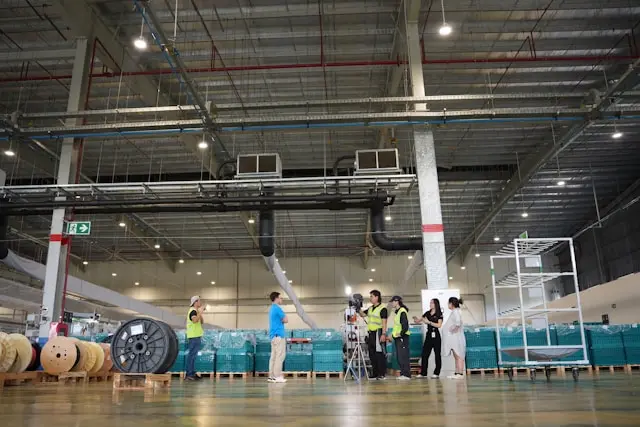
Ajman hosts the Gulf's highest density of SMEs in flexible packaging and construction materials, with over 3,500 industrial licences active in the Al Jurf Industrial Zone alone. The Manufacturing 4.0 programme is pushing mid-sized exporters toward IoT-enabled production lines. Companies like Al Ahlia Printing & Packaging and Al Jazeera Manufacturing need COOs who can oversee Industry 4.0 retrofitting while managing customs union complexities across the GCC. The demand extends to polymer engineers and CNC automation leaders as more than 200 Chinese-owned plastics processors in Al Muwaihat scale operations for re-export into East Africa and the CIS. KiTalent's industrial manufacturing practice tracks exactly this intersection of traditional production and digital transformation.

Maritime trade and multimodal logistics

The Port of Ajman, now managed by Abu Dhabi Ports, reached 1.2 million TEU capacity following the 2025 dredging project. The Etihad Rail inland container depot moves 30% of the emirate's heavy freight by rail, cutting last-mile costs to Dubai Industrial City by 25%. Blockchain-based customs clearance went live in late 2025. This infrastructure upgrade has created a new tier of leadership roles: port and rail logistics directors with dry-port management experience, cold-chain specialists for the Al Hamidiya agricultural import hub, and supply chain digitisation leaders fluent in SAP and Oracle across rail-logistics environments. These executives are being recruited from Jebel Ali and Rotterdam. Reaching them requires the kind of discreet, cross-border capability that defines international executive search.

Digital services and creative industries

Ajman Media City Free Zone has become a secondary hub for gaming studios, influencer marketing agencies, and fintech back-office operations. The Content Creator District houses 1,200 registered influencers and esports teams. Cloud services and AI training data labelling are the fastest-growing sub-sectors. The leadership demand here is for managing directors who can scale free zone communities, attract FDI from specific corridors, and build regulatory frameworks for emerging digital business models. Our AI and technology sector team understands the talent dynamics of these fast-moving verticals.

Healthcare and medical education

Gulf Medical University and the Thumbay Hospital network anchor Ajman's position as a medical tourism destination for patients from the CIS and Africa. The GMU Academic Health System opened 600 beds with specialised oncology and robotic surgery centres, creating 1,800 high-skilled clinical roles. The executive demand is for hospital administrators, clinical directors, and robotic surgery programme leads who can operate at the intersection of academic medicine and commercial healthcare delivery. KiTalent's healthcare and life sciences practice covers this precise segment.

Real estate, construction, and logistics infrastructure

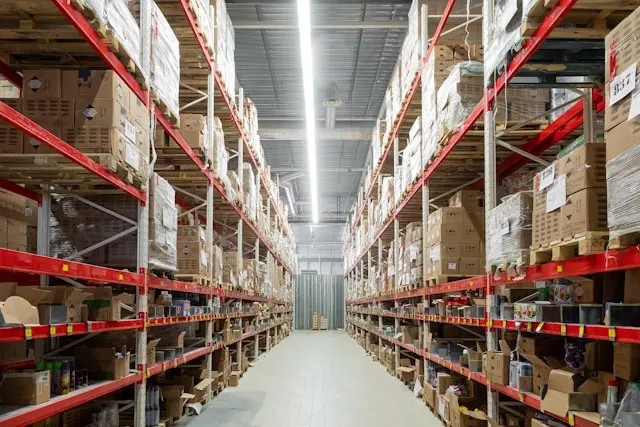
The sector has pivoted from speculative residential towers to industrial warehousing and affordable family housing. Al Zorah's mixed-use development is 85% complete. The Al Hamidiya logistics corridor brought 4.2 million square feet of Grade A warehousing online in 2025, leased primarily by Noon and Amazon UAE for e-commerce fulfilment. Leadership hiring focuses on development directors, asset managers, and logistics real estate specialists who understand the Northern Emirates regulatory environment. Our real estate and construction team works with clients navigating exactly these mandate profiles.

Ajman's leadership markets by sector

Ajman is not one talent pool. It is a collection of distinct professional communities, each with its own compensation norms, competitive dynamics, and candidate expectations. A logistics director in Al Hamidiya operates in a different world from a gaming studio head in Ajman Media City. Effective search requires sector-native knowledge.

Sector strengths that define Ajman executive search

Ajman's executive search market is strongest where its economic specialisation is deepest.

Why companies partner with KiTalent for executive search in Ajman

Companies rarely need only reach in Ajman. They need interpretation, calibration, and a search architecture that reflects the real structure of the market.

We operate across United Arab Emirates

Our team runs Ajman mandates through KiTalent's four regional hubs, combining local market intelligence with cross-border execution across Europe, the Americas, the Middle East, and Asia Pacific.

We reach the candidates that matter

The strongest executives in Ajman are passive. Our direct headhunting approach engages the hidden 80% of passive talent through discreet outreach rooted in real market knowledge.

We do not start from scratch

Our parallel mapping methodology means we already hold live intelligence on restructuring, transition windows, compensation patterns, and candidate attraction opportunities when a brief arrives.

Our model de-risks the investment

In Ajman, the cost of a wrong executive hire extends far beyond the recruitment fee. Our Proof-First Search model lets clients see real market output and qualified candidates before the bulk of the investment is committed.

Essential reading for Ajman hiring decisions

These resources provide deeper market intelligence and explain how KiTalent turns insight into a faster, more transparent search process.

Frequently asked questions about executive search in Ajman

These are the questions most closely tied to how executive search really works in Ajman.

Why do companies use executive recruiters in Ajman?

Ajman's private sector is 98% expatriate, and the senior professionals who can lead manufacturing transformations, port expansions, or digital free zone growth are rarely visible on job boards. They are working in competing operations across the Gulf, in India, or in Europe. Reaching them requires discreet, individually targeted outreach that only a dedicated executive search firm can sustain at scale. The emirate's small professional community also means that a poorly managed search damages the employer's reputation among the very candidates they need to attract, making process quality a strategic concern rather than a nice-to-have.

What makes Ajman different from Dubai or Sharjah for executive hiring?

Ajman competes on cost, not prestige. Commercial rents are 20% below Dubai's DMCC. Industrial licences are among the Gulf's cheapest. But this cost advantage creates a compensation tension at the executive level, because the leaders companies need can often earn more in neighbouring emirates. Successful hiring in Ajman requires compensation packages that are creatively structured around housing subsidies, operational autonomy, and long-term incentives rather than simply competing on base salary. It also requires a search partner who can articulate Ajman's growth story convincingly to candidates whose default assumption is that Dubai is the better career move.

How does KiTalent approach executive search in Ajman?

KiTalent runs Ajman mandates through its Middle East hub in Nicosia, combining local Gulf market knowledge with cross-border reach into the source markets that supply Ajman's leadership talent: India, Europe, the CIS, and the wider MENA region. The approach starts with parallel mapping, which means we have pre-existing intelligence on who holds relevant roles across competing operations before a mandate is formalised. This enables a qualified shortlist within 7 to 10 days. Every candidate undergoes a three-tier assessment covering technical competency, cultural fit, and genuine motivation to relocate to or remain in the Northern Emirates.

How quickly can KiTalent present candidates in Ajman?

Interview-ready candidates are typically presented within 7 to 10 days of mandate confirmation. This speed comes from continuous talent mapping across the Gulf's manufacturing, logistics, healthcare, and digital sectors. We do not start research when a client calls. We activate intelligence that already exists. For particularly urgent needs, such as a factory commissioning deadline or a regulatory compliance appointment, interim management placements can be activated even faster.

How does Emiratisation affect executive search in Ajman?

The Nafis programme creates pressure across all emirates, but in Ajman the dynamic is distinctive. Manufacturing firms have responded to Emiratisation quotas by accelerating automation at entry level rather than meeting headcount targets, which means the executive leadership conversation shifts toward leaders who can design and implement these automation strategies while managing regulatory compliance. Search mandates increasingly require candidates who combine operational expertise with the ability to develop Emiratisation roadmaps that satisfy federal requirements without undermining operational efficiency. This dual competency narrows the candidate pool considerably, making proactive search essential.

Start a conversation about your Ajman search

Whether you are hiring a COO to lead a smart-factory transformation in Al Jurf, a logistics director for the Etihad Rail corridor, a managing director to scale Ajman Free Zone's FDI pipeline, or a clinical programme lead for the GMU Academic Health System, this is where the conversation starts.

What we bring to Ajman executive mandates:

Executive search and direct headhunting · Talent mapping and market intelligence · Compensation benchmarking and mandate calibration · Connection to KiTalent's Middle East hub in Nicosia and international executive search network.

Tell us about your Ajman hiring challenge

Whether you are running a live mandate or want to pressure-test a brief before going to market, this is the right place to start the conversation.

Explore Our Executive Search Guides

Produced by KiTalent Research. Based on local market intelligence and executive-search data. Reviewed by Katia Belous.