Kaohsiung Port Is Investing Half a Billion Dollars in Automation It Cannot Yet Staff
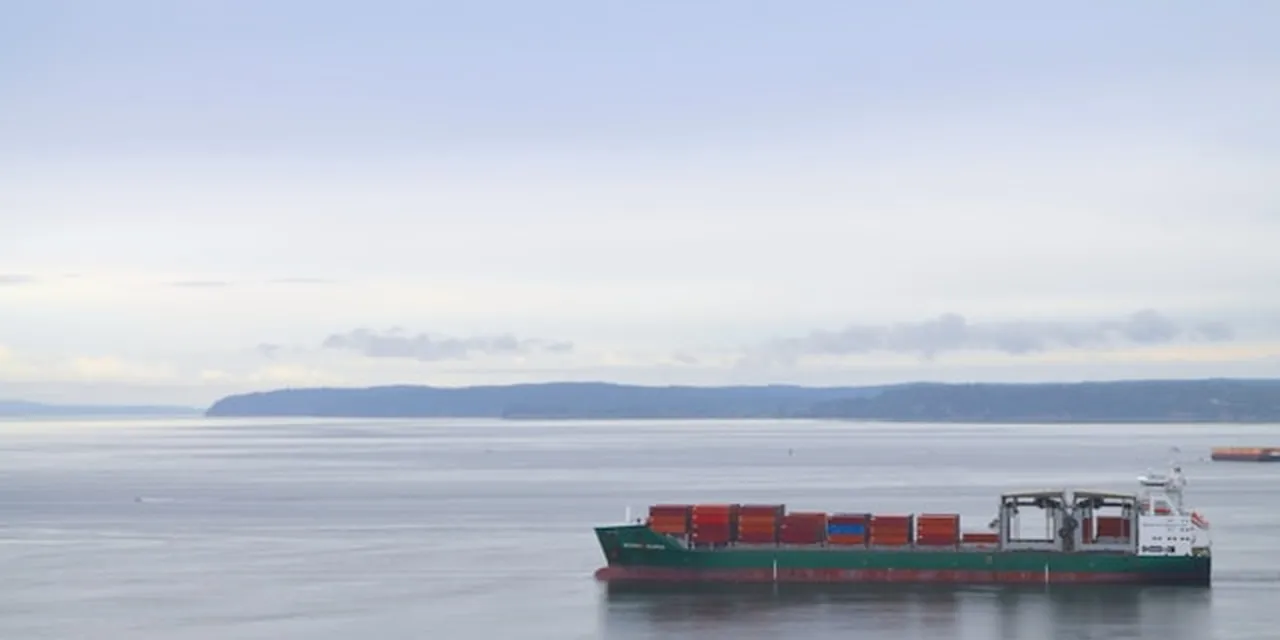
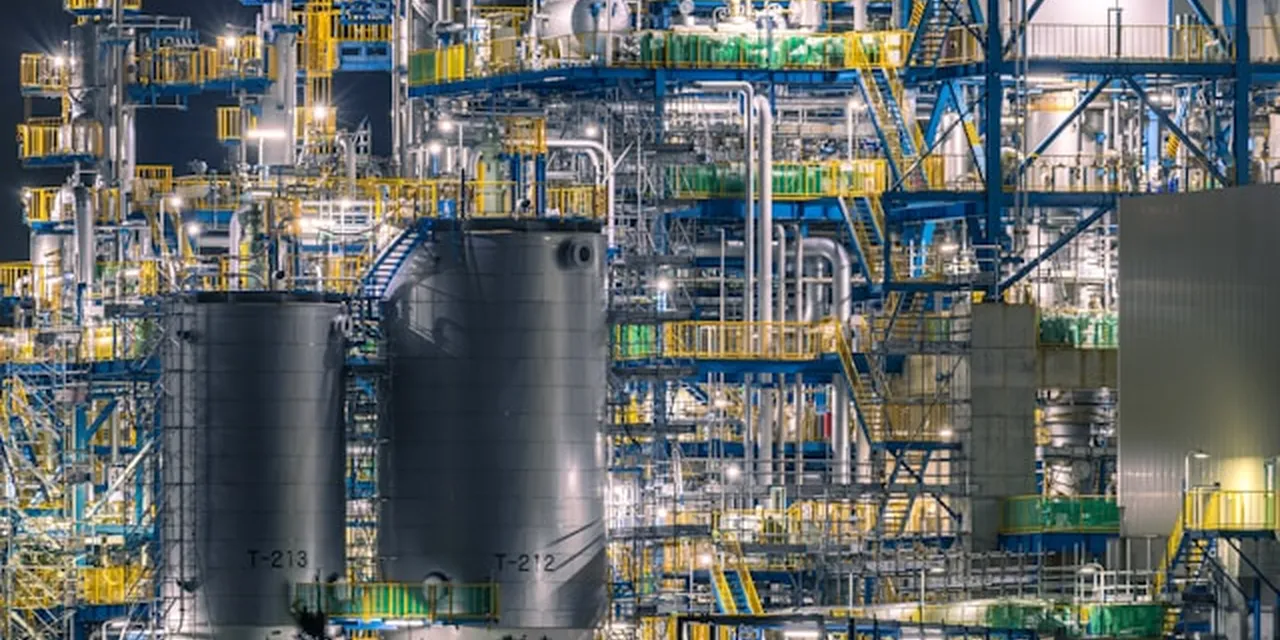
Taiwan International Ports Corporation committed NT$18.7 billion to Terminal 7 Phase II, the most ambitious port automation project in Kaohsiung's history. The investment brings four super post-Panamax quay cranes, automated guided vehicles, and 5G-enabled logistics systems to a port that handled 9.23 million TEU in 2023. By every infrastructure measure, Kaohsiung's physical capacity is moving in the right direction.
The talent required to operate, maintain, and manage that infrastructure is not keeping pace. Senior port automation engineers remain unfilled for 95 to 120 days on average, more than double the 45-day norm for engineering roles. Offshore wind marine coordinators face demand growth of 88% year-over-year against fewer than 0.3 qualified candidates per opening. Meanwhile, 34% of Kaohsiung's certified maritime engineers are over 50, and local universities produce only 120 graduates annually in the mechatronics and port engineering disciplines the sector now requires. The capital has moved. The human capital has not followed.
What follows is an analysis of the forces driving this mismatch in Kaohsiung's maritime and port operations sector, the specific roles where the gap is most acute, and what organisations hiring in this market need to understand before they commit to searches that conventional methods cannot complete.
A Port Cluster in Transition: From Shipping Hub to Energy Platform
Kaohsiung Port's identity is changing faster than its workforce composition. The cluster remains Taiwan's principal maritime hub, with 72% of national container throughput flowing through its seven container terminals. Some 78% of Taiwan's maritime logistics firms maintain headquarters or primary operations within Kaohsiung City's Xiaogang, Cianjhen, or Yancheng districts. The geographic concentration is real.
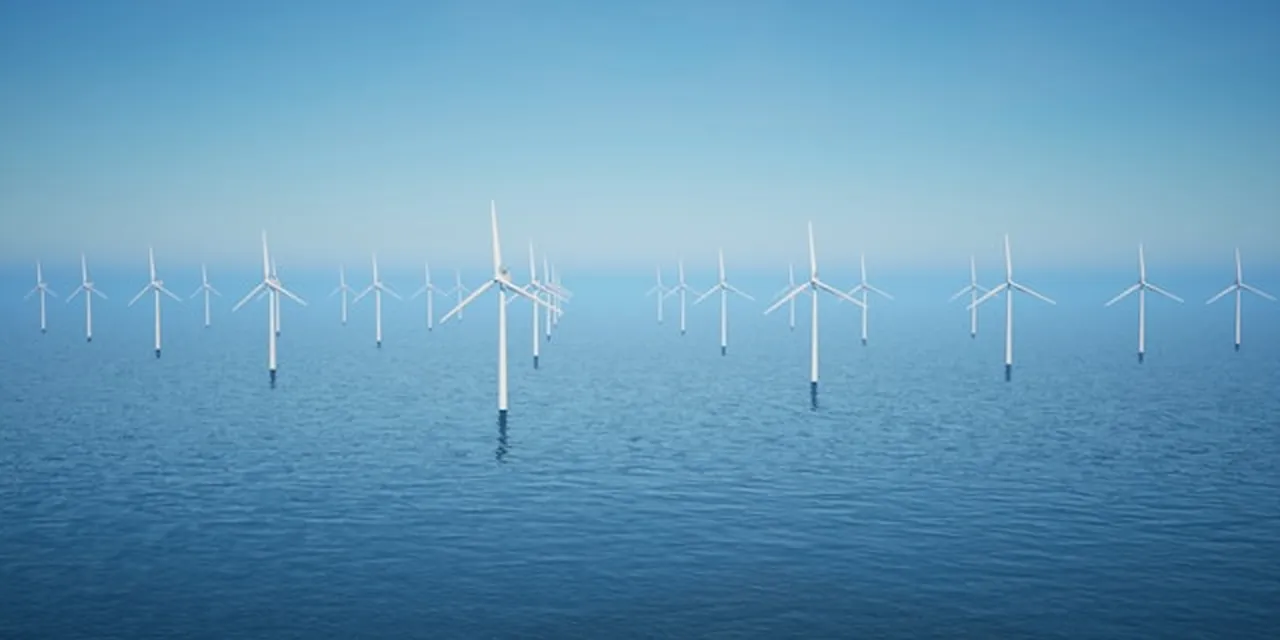
But the economic activity inside that cluster is splitting. CSBC Corporation, Taiwan's largest ship repair operation, has repurposed 40% of its Kaohsiung yard capacity for offshore wind turbine jacket foundations and substation platforms. Ship repair and conversion now constitutes 35% of CSBC's revenue, down from 45% in 2020. The Kaohsiung Offshore Wind Maritime Industrial Park, approved in 2023 with operational phases beginning in 2025, anticipates NT$45 billion in associated maritime service investment through 2026.
This is not a minor pivot. It represents a fundamental change in the kind of professional this cluster needs. A decade ago, Kaohsiung's maritime employers were hiring dock masters, vessel traffic managers, and conventional marine engineers. They still need those professionals. But they now simultaneously need offshore wind marine construction managers, 5G logistics integration specialists, and cryogenic systems technicians. The workforce required to run a smart port with an offshore wind fabrication arm is categorically different from the workforce that ran a conventional container terminal. The organisations competing for that workforce are discovering that it barely exists in this market in sufficient numbers.
The NT$18.7 Billion Question: Who Will Run Terminal 7?
Terminal 7 Phase II is Kaohsiung's answer to regional competition. The expansion adds 1.2 million TEU of annual capacity through automated container handling, targeting completion by Q2 2026. The project includes automated guided vehicles, advanced quay crane systems, and digital operations infrastructure intended to close the efficiency gap with Singapore and Busan.
Automation Without Operators
The problem is precise. According to the Maritime and Port Bureau's Smart Port Assessment in 2024, 67% of Kaohsiung port operators lack sufficient IT and automation specialists to maintain the systems being installed. The local talent pipeline produces approximately 120 graduates per year in relevant mechatronics and port engineering disciplines. Terminal 7's automated systems require professionals who combine PLC programming, crane automation systems knowledge, and 5G logistics integration experience. That combination is rare anywhere. In Kaohsiung, it is close to absent.
Port automation engineer searches at the senior level average 95 to 120 days to fill. Terminal operators and TIPC contractors have responded by offering 25 to 35% salary premiums over traditional industrial automation roles. Even at those premiums, the qualified candidate pool remains shallow. The 1.8% unemployment rate among senior port automation specialists, compared to 3.7% for general engineering, confirms that nearly every qualified professional in this specialisation is already employed and not actively searching.
The Contractor Dependency Risk
This dynamic points toward a specific operational risk. If the port's technological modernisation outpaces the local labour market's adaptive capacity, Kaohsiung faces extended reliance on foreign contractors for system commissioning and early-stage operations. That reliance carries cost implications, knowledge transfer limitations, and a vulnerability to contractor availability that runs counter to the strategic logic of the investment. The point of automation is operational independence and efficiency. Dependence on external specialists for core system maintenance undermines both.
For organisations hiring into this environment, the implication is clear: the candidates who can fill these roles are not responding to job postings. They are embedded in existing positions at TIPC, international terminal operators like Evergreen and Yang Ming, or automation technology vendors including Mitsubishi and ABB Maritime. Industry data indicates average tenure of 9.4 years in these roles. Reaching them requires a fundamentally different approach to search.
Offshore Wind Has Created a Second Hiring Crisis Inside the First
The offshore wind transition is not supplementing Kaohsiung's maritime talent demand. It is compounding it. Offshore wind marine coordinators, responsible for turbine installation vessel logistics and port marshalling, experienced 88% demand growth year-over-year in 2024. The market shows fewer than 0.3 qualified candidates per opening.
This shortage is qualitatively different from the port automation gap. Port automation roles can, in theory, draw from adjacent industrial sectors. Offshore wind marine coordination requires a specific combination of maritime logistics experience and wind energy installation knowledge that exists in very few professionals globally, and in even fewer who are willing to relocate to southern Taiwan.
Poaching From Singapore and Beyond
Industry association surveys from the Taiwan Wind Industry Association indicate that CSBC and maritime service providers have recruited talent from Singapore-based offshore vessel operators at compensation packages 40 to 50% above local maritime management salaries, inclusive of housing allowances. This pattern reveals two things. First, the local market cannot supply enough candidates at any domestic price point. Second, the cost of acquiring these professionals internationally erases much of the labour cost advantage Kaohsiung might otherwise hold over regional competitors.
The challenge intensifies when one considers that Taichung, home to its own Offshore Wind Industrial Zone, has recruited approximately 340 maritime engineers from Kaohsiung-based firms since 2022. Taichung offers 12 to 15% salary premiums and shorter commutes for central Taiwan residents. For Kaohsiung employers, this means the offshore wind talent shortage is not just a supply problem. It is also a retention problem, with a domestic competitor siphoning experienced professionals who already understand Taiwan's maritime regulatory environment.
The hiring leaders who recognise this dual pressure earliest will act differently. They will not wait for candidates to appear. They will invest in proactive talent mapping to identify where the small number of qualified professionals currently sit and what it takes to move them.
The Demographic Cliff Underneath Everything Else
Beneath the automation and offshore wind shortages sits a more fundamental problem. Kaohsiung's maritime workforce is ageing out.
Thirty-four percent of certified maritime engineers are over 50. Among dock masters, the figure is 41%. Vocational training programmes are producing only 60% of the required replacement volume, according to the Taiwan Institute of Economic Research's Maritime Human Capital Report. This is not a future projection. It is a current condition that will worsen annually through the rest of this decade.
The arithmetic is stark. Even if every training programme expanded output by 50% tomorrow, the replacement rate would still fall short of the retirement rate. And the new graduates these programmes produce are entering a labour market where the semiconductor industry, based in Hsinchu and Taichung's science parks, offers 20 to 25% compensation premiums plus stock option packages to the same electrical engineering graduates the maritime sector needs.
This is the original analytical point this data demands: Kaohsiung's maritime sector is not facing one talent crisis but three simultaneous ones, each intensifying the others. The automation investment creates demand for skills that do not exist locally. The offshore wind pivot redirects existing capacity away from core port operations. And the demographic retirement wave is removing experienced professionals faster than any pipeline can replace them. These three forces are not independent. They are compounding. An engineer lost to Hsinchu's semiconductor parks is also an engineer unavailable for Terminal 7's automation systems and an engineer who will not mentor the next generation of dock masters.
No single intervention resolves a three-front shortage. The organisations that will maintain operational continuity are those that have already begun building talent pipelines rather than reacting to each vacancy as it appears.
Compensation: Competitive Locally, Insufficient Regionally
Kaohsiung's maritime compensation data tells a story of a market that pays well by Taiwan's standards but poorly by the standards of the regional competitors from which it must increasingly recruit.
Port Operations and Maritime Logistics Pay Bands
Port Operations Managers with 8 to 12 years of experience and PMP or certified port executive credentials command annual cash compensation of NT$1.4 to 1.8 million, equivalent to roughly USD $43,000 to $56,000, excluding performance bonuses. At the VP and Managing Director level, total compensation packages reach NT$3.2 to 4.5 million (USD $99,000 to $139,000) including bonuses.
In ship repair, Senior Project Managers responsible for dock scheduling and conversion oversight earn NT$1.2 to 1.6 million (USD $37,000 to $50,000) annually. Directors of Ship Repair Operations and Chief Naval Architects at major yards command NT$2.8 to 3.8 million (USD $87,000 to $118,000), with state-owned enterprise executives at the lower end and privately held facility leaders at the upper end.
The Singapore Gap
The problem is not what these roles pay in Kaohsiung. The problem is what they pay elsewhere. Singapore offers 30 to 40% higher base compensation for equivalent port operations executive roles, according to the Maritime and Port Authority of Singapore's Industry Manpower Survey. Singapore also applies a maximum personal income tax rate of 24%, compared to Taiwan's 40%.
This differential creates a sustained pattern of talent movement. The Maritime and Port Bureau's own Talent Retention Strategy Report identifies brain drain among Taiwan's senior maritime professionals aged 35 to 45 as a systemic concern. These are not junior staff leaving for adventure. They are mid-career leaders at the peak of their productivity, departing for compensation and tax structures that Kaohsiung cannot match without systemic policy changes.
Executive compensation in port operations carries a 15 to 20% premium over general industrial management roles in Kaohsiung. That premium signals that the market recognises the difficulty. But it remains insufficient to close the gap with Singapore or to outbid the semiconductor sector for shared engineering talent. The compensation mismatch is widening fastest at exactly the seniority level where the most critical roles sit.
Transshipment Decline and the Strategic Pressure It Creates
Kaohsiung's challenges are not occurring in a growth vacuum. They are occurring against a backdrop of declining competitive position that makes every hiring delay more consequential.
The port's transshipment ratio fell from 58% in 2019 to 52% in 2023. This decline reflects carrier consolidation favouring mega-hubs with deeper drafts and geopolitical risk premiums affecting Taiwan Strait routing decisions. Lloyd's List Intelligence reports that 12% of surveyed carriers have implemented Taiwan Strait contingency routing protocols, potentially diverting transshipment cargo to Busan during periods of elevated tension.
Depth Constraints and the ULCV Problem
Kaohsiung's Second Harbour entrance channel maintains a depth of 17 metres, accommodating vessels up to 150,000 DWT and 8,000 TEU without tidal restrictions. But this constrains Ultra Large Container Vessel accommodation. Fully laden 24,000 TEU vessels require partial load operations or tidal windows, a systemic disadvantage versus Singapore at 23 metres and Busan at 17 to 20 metres with expansion underway.
Dredging to 18 metres at the Second Harbour entrance remains stalled pending environmental impact assessment approvals. The Ministry of Transportation and Communications has indicated no completion before 2028. Until then, Kaohsiung operates at a physical disadvantage that no amount of automation can offset.
Taipei Port in Bali District has capitalised on this environment, capturing 18% of Taiwan's total container volume in 2023, up from 12% in 2018, with 12% year-over-year growth compared to Kaohsiung's 2.1%. The domestic competitive picture is shifting.
For hiring leaders, this competitive context means Kaohsiung's maritime employers face a dual pressure. They must attract talent to a sector where the commercial trajectory is uncertain while competing for that talent against sectors and geographies where the trajectory is visibly upward. The narrative a Kaohsiung employer must construct for a senior candidate is more complex than simply offering a larger number. It must articulate why this market, despite its headwinds, represents a career worth choosing.
What This Market Requires From Executive Search
Kaohsiung's maritime talent market exhibits the characteristics of a predominantly passive candidate environment across its most critical roles. The data is unambiguous.
Senior port automation engineers carry a 1.8% unemployment rate in their specialisation with average tenure of 9.4 years. Ship repair project managers with ULCV or offshore platform experience fill through retained search or internal referral networks in 85% of cases. Maritime regulatory compliance executives with dual expertise in maritime law and decarbonisation regulations maintain 95% or higher employment rates and receive three to four unsolicited recruitment approaches annually.
These are not candidates who will be found through job postings. They are not browsing job boards. They are employed, performing well, and passively available only if the right opportunity is presented through a credible channel.
The traditional search playbook fails in this market for a specific reason. The candidate pool is too small, too employed, and too frequently approached for generic outreach to cut through. A senior automation engineer at an Evergreen terminal who receives three to four recruitment contacts per year will not respond to an unresearched LinkedIn message. They will respond to a structured conversation from a specialist who understands the Terminal 7 transition, can articulate the role's strategic importance, and can present a total proposition that addresses not just compensation but career trajectory.
KiTalent's approach to executive search in industrial and maritime sectors is built for exactly this type of market. Through AI-powered candidate identification and direct headhunting methodology, KiTalent delivers interview-ready candidates within 7 to 10 days, even in markets where 80% of the strongest professionals are not actively looking. The firm's pay-per-interview model means clients invest only when they meet qualified candidates, eliminating the retainer risk that is particularly acute when searching in a market this constrained.
With a 96% one-year retention rate across 1,450 executive placements completed globally, KiTalent's track record reflects an understanding that placing a candidate is only valuable if that candidate stays. In a market where the cost of re-running a search is measured in months of delayed Terminal 7 commissioning or missed offshore wind installation windows, retention is not an afterthought. It is the metric that matters.
For organisations competing for port automation leadership, offshore wind marine coordination, or ship repair management talent in Kaohsiung, where the candidates you need are invisible to conventional search and the cost of delay is operational, speak with our executive search team about how we approach this market.
Frequently Asked Questions
What are the hardest maritime roles to fill in Kaohsiung in 2026?
Senior port automation engineers, offshore wind marine coordinators, and ship repair project managers with ULCV or offshore platform experience represent the three most difficult categories. Port automation engineers average 95 to 120 days to fill, more than double the 45-day engineering norm. Offshore wind marine coordinators show fewer than 0.3 qualified candidates per opening in the local market. These roles sit at the intersection of maritime operations and emerging technology, a combination that local training programmes produce in volumes far below demand.
Why is Kaohsiung losing maritime talent to other regions?
Singapore offers 30 to 40% higher base compensation for equivalent port operations roles and a maximum personal income tax rate of 24% versus Taiwan's 40%. Domestically, Taichung has recruited approximately 340 maritime engineers from Kaohsiung since 2022 with 12 to 15% salary premiums. The semiconductor industry in Hsinchu and Taichung offers 20 to 25% premiums plus stock options, drawing from the same electrical engineering talent pool. The result is a three-directional brain drain that Kaohsiung's current compensation structures cannot fully counter.
What does port automation talent earn in Kaohsiung?
Port Operations Managers with 8 to 12 years of experience earn NT$1.4 to 1.8 million annually (USD $43,000 to $56,000) excluding bonuses. At the VP and Managing Director level, total packages reach NT$3.2 to 4.5 million (USD $99,000 to $139,000). Senior port automation specialists command 25 to 35% premiums above traditional industrial automation roles, reflecting the scarcity of combined maritime and IT expertise. These figures carry a 15 to 20% premium over general industrial management, though they remain well below Singapore equivalents.
How does Kaohsiung Port's capacity compare to Singapore and Busan?
Kaohsiung's Second Harbour entrance channel maintains a 17-metre depth, constraining Ultra Large Container Vessels of 24,000 TEU to partial load operations or tidal windows. Singapore offers 23 metres of depth, and Busan provides 17 to 20 metres with expansion underway. Planned dredging to 18 metres in Kaohsiung is stalled pending environmental approvals, with no completion expected before 2028. This depth constraint is a meaningful competitive disadvantage for attracting the largest container vessels on intra-Asia routes.
How does KiTalent approach executive search in constrained maritime markets?
KiTalent uses AI-enhanced direct headhunting methodology to reach passive candidates who do not appear on job boards or respond to conventional advertising. In markets like Kaohsiung's maritime sector, where senior specialists maintain average tenures above nine years and unemployment in critical specialisations sits below 2%, the traditional post-and-wait approach reaches a fraction of the viable candidate pool. KiTalent delivers interview-ready candidates within 7 to 10 days and operates on a pay-per-interview model, removing upfront retainer risk for clients hiring in uncertain markets.
What is the outlook for Kaohsiung's offshore wind maritime industry?
The Kaohsiung Offshore Wind Maritime Industrial Park anticipates NT$45 billion in associated maritime service investment through 2026. CSBC Corporation has redirected 40% of its yard capacity to offshore wind fabrication, including turbine jacket foundations and substation platforms. Demand for offshore wind marine coordinators grew 88% year-over-year in 2024. However, the domestic candidate supply remains severely constrained, with employers resorting to international executive recruitment from Singapore-based operators at 40 to 50% compensation premiums above local rates.