Keelung's Seafood Sector Is Growing in Value and Shrinking in Workforce: The Technical Hiring Crisis Behind the Numbers
Keelung's wholesale fish market moved NT$2.1 billion in product through its auction floors in 2024, and the port's total landing value hit NT$8.4 billion the previous year. That figure represented a 7.1% increase over 2022. By every financial measure, this is a seafood cluster in good health.
By every workforce measure, it is not. Direct employment in Keelung's fishing, processing, cold storage, and ancillary services fell to approximately 8,400 workers in 2024, down from 9,100 in 2019. Technical supervisory roles now take an average of 94 days to fill, compared to 58 days for equivalent manufacturing positions in Taipei. Job postings for cold-chain management and seafood processing technology roles rose 34% year-over-year in 2024, while the qualified candidate pool contracted by roughly 12%.
What follows is an analysis of why Keelung's seafood sector is producing more value with fewer people, why automation has deepened the talent crisis rather than resolving it, and what organisations operating in this cluster need to understand before they attempt to hire the technical and compliance leadership the next phase of growth demands.
The Structural Split at the Heart of Keelung's Seafood Cluster
Keelung is often described as Taiwan's second-largest fishing port. The description is accurate but misleading. Data from the Fisheries Agency under the Ministry of Agriculture shows that approximately 60% of the catch value from Keelung-registered distant-water vessels lands at foreign ports or transships at sea. It never touches Keelung's cold-chain infrastructure at all.
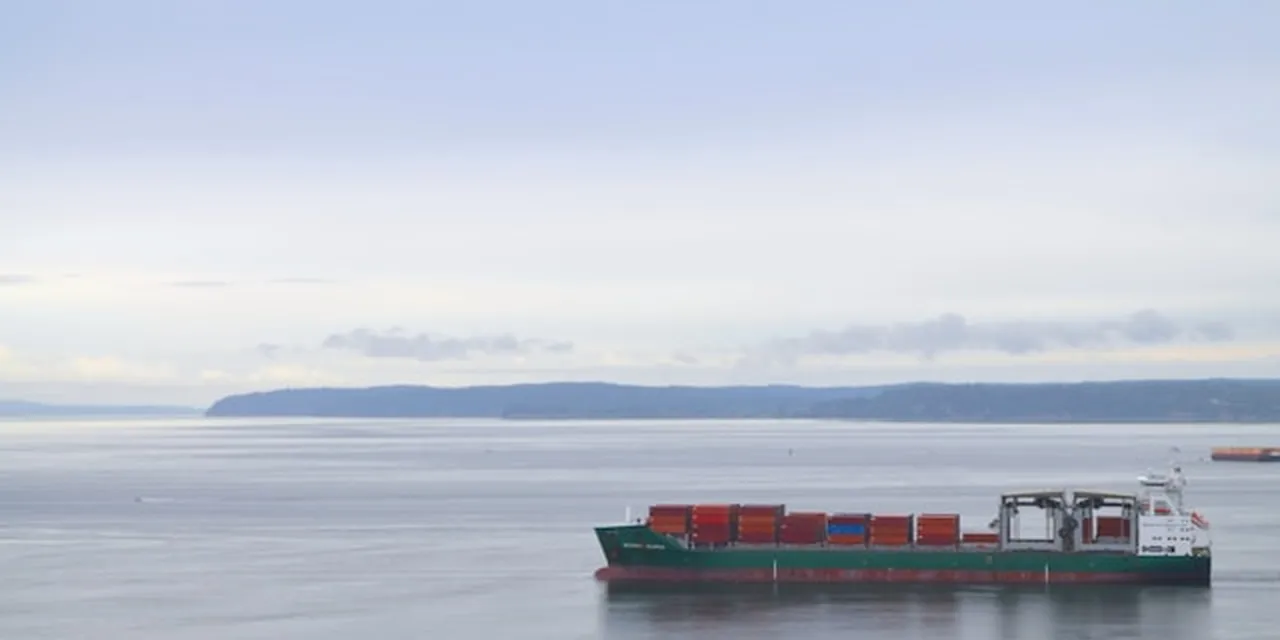
This creates a bifurcated cluster. On one side sits the local auction market and the 23 FDA-registered processing establishments concentrated in the Badouzi and Zhengbin Harbor areas. These facilities handle coastal and near-sea catches: squid, mackerel, Pacific saury. The product feeds domestic consumption. On the other side sits the registered distant-water fleet of 312 vessels, including tuna longliners, squid jiggers, and purse seiners. These operate as a floating export platform with minimal connection to the physical infrastructure in Keelung.
The implication for hiring is direct. The cold-chain and processing workforce in Keelung serves a smaller operational footprint than the port's headline numbers suggest. The talent pool is not being strained by an NT$8.4 billion operation. It is being strained by the domestic processing fraction of that operation, combined with a regulatory compliance burden that covers the entire registered fleet regardless of where the fish actually lands.
Why Cold-Chain Capacity Shapes the Hiring Problem
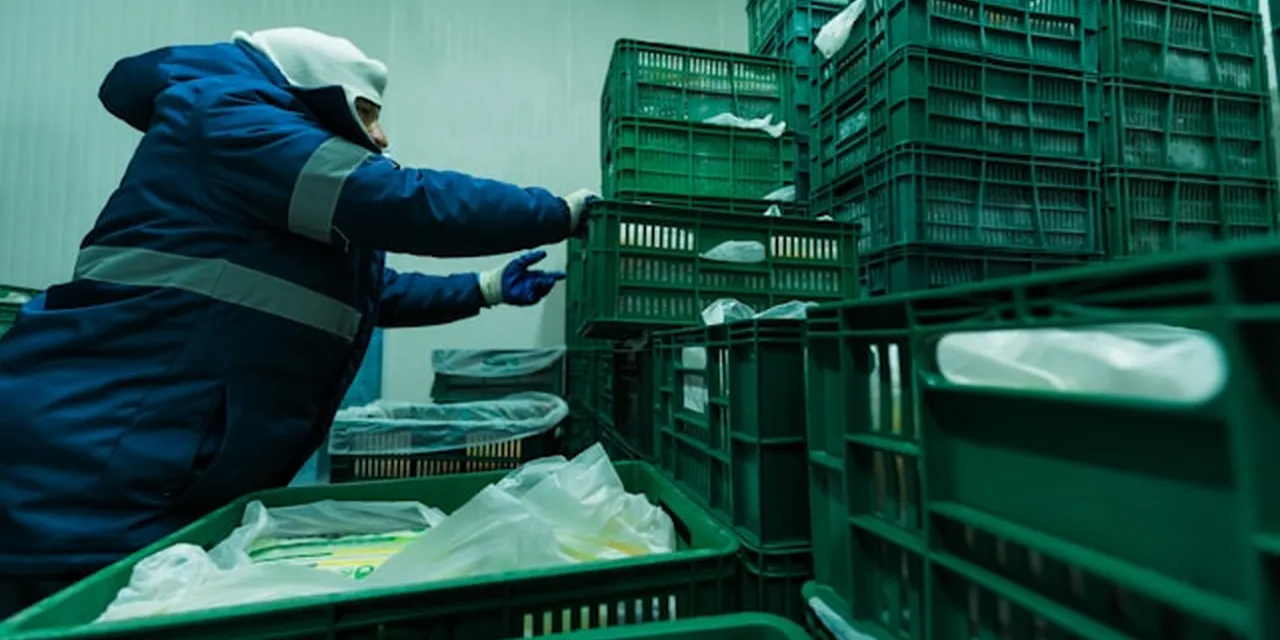
Keelung's refrigerated warehouse capacity stands at approximately 45,000 metric tons, compared to 78,000 metric tons in Kaohsiung, according to the Taiwan Cold Chain Association's Storage Capacity Survey from Q3 2024. Utilisation rates averaged 87% in 2024 and peaked at 96% during the September-to-November mackerel and squid seasons.
Only three facilities in Keelung offer ultra-low temperature storage at minus 50 to minus 60 degrees Celsius. This is the threshold required for sashimi-grade tuna. Without sufficient capacity, product is routed through Kaohsiung or Tokyo, stripping the local cluster of the highest-value processing work and the specialist roles that come with it.
The NT$2.3 Billion Bet on Expansion
The Taiwan International Ports Corporation has budgeted NT$2.3 billion for cold-chain modernisation across 2025 to 2027. The centrepiece is a dedicated minus 60 degree tuna storage facility at West Wharf 19, expected to add 12,000 metric tons of ultra-low temperature capacity by late 2026. This investment will bring higher-value product into Keelung's processing chain for the first time at meaningful scale.
It will also create demand for technical and leadership talent that does not currently exist in Keelung in sufficient numbers. The facility requires ammonia refrigeration engineers certified in pressure vessel safety and ultra-low temperature systems. Fewer than 200 such practitioners are available across all of northern Taiwan. The investment in infrastructure has moved ahead of the investment in people, and the hiring consequences of that gap are already visible.
Automation Has Not Reduced the Workforce Problem. It Has Changed Its Shape.
This is the analytical claim that the headline numbers obscure, and it is the intellectual core of this article: Keelung's processing firms adopted Industry 4.0 technologies, including robotic filleting and AI-powered sorting, as a response to chronic manual labour shortages and an ageing shop floor. The expectation was that automation would relieve headcount pressure. The reality has been the opposite.
Automation has replaced one category of scarce worker with another that is scarcer still. The sector has traded a shortage of manual processing staff for a more acute shortage of electromechanical technicians who can maintain robotic systems, manage digital controls, and troubleshoot ammonia-based refrigeration simultaneously. These hybrid roles did not exist five years ago. The training pipeline to produce them barely exists now.
The aggregate data makes this visible. Employment fell from 9,100 to 8,400 between 2019 and 2024. But job postings for technical roles rose 34% in 2024 alone. The sector is employing fewer people overall while struggling harder to fill the roles it still needs. Capital moved faster than human capital could follow, and the firms that automated earliest are now competing most intensely for the technicians their new systems require.
This pattern has a direct parallel in how organisations across industrial sectors misjudge the talent implications of technology adoption. The assumption that automation reduces hiring complexity is widespread. In Keelung's seafood sector, it has compounded it.
Three Roles That Define the Talent Crisis
The talent scarcity in Keelung's seafood cluster is not evenly distributed. It is concentrated in three specific categories, each with distinct constraints that make conventional recruitment ineffective.
Ammonia Refrigeration Engineers
The ammonia refrigeration engineer is the role Keelung's cold-chain expansion cannot proceed without. These practitioners require dual certification in pressure vessel safety and refrigerant handling under Taiwan's Occupational Safety and Health regulations. They must be capable of operating and maintaining systems at minus 50 to minus 60 degrees Celsius.
An estimated 85 to 90% of qualified practitioners in northern Taiwan are currently employed and not actively seeking new roles. Average tenure exceeds seven years. Recruitment in this category relies almost entirely on direct search methods or contractor conversion, because the candidates do not appear on job boards.
According to reporting in the Commercial Times in September 2024, a typical pattern through 2024 involved prolonged vacancies for these specialists. One cold-chain logistics operator maintained a search for a Senior Refrigeration Engineer with ultra-low temperature specialisation for seven months before filling the role through internal promotion of a junior technician, supplemented by external contractor support. The role was eventually covered, but not by the kind of experienced hire the operation required.
HACCP and Food Safety Plant Managers
The second critical gap sits at the intersection of food safety science and export compliance. A Plant Manager with HACCP, FSSC 22000, and EU export compliance experience commands a meaningful premium. According to industry sources cited in CommonWealth Magazine in August 2024, one Keelung processor reportedly offered a 15 to 20% compensation premium above market median to recruit a qualified Plant Manager from a competitor, following a four-month search failure through standard channels.
This is not simply a compensation problem. It is a supply problem. The number of professionals in Taiwan who combine plant management experience with the specific certifications required for EU and US export compliance is small. Many have been recruited into pharmaceutical or biotechnology cold-chain operations in Taipei and New Taipei City, where compensation runs 25 to 35% higher for similar technical skill sets applied to higher-margin industries.
Fisheries Compliance and Electronic Monitoring Specialists
The most acute scarcity sits in a role category that barely existed three years ago. Taiwan's Fisheries Agency mandates that by 2026, all distant-water vessels over 20 metres must implement electronic monitoring systems. Across Keelung's registered fleet, this requires an estimated 450 technicians for installation and maintenance alone.
The compliance officer role above the technician level requires a combination of maritime operations knowledge, data analytics capability, and familiarity with international fisheries regulation under the WCPFC and IOTC frameworks. According to an analysis of job postings on 1111 Job Bank through Q3 and Q4 2024, at least 12 similar postings appeared for Electronic Monitoring Data Analysts with combined maritime and analytics expertise. In one documented case, a Keelung-based distant-water operator suspended its search after five months due to zero qualified applicants.
This is the hiring problem you cannot recruit your way out of by offering more money. The skill set is too new. The training pipeline is too thin. The candidates who possess it are exclusively passive and typically already employed in compliance or sustainability roles at regional organisations in Singapore, where compensation premiums of 50 to 80% above Taiwan rates are standard.
Compensation Is Not Competitive with Adjacent Sectors
The fundamental compensation challenge in Keelung's seafood sector is not that salaries are low in absolute terms. It is that they are low relative to what the same technical skills command in adjacent industries within commuting distance.
A Cold Chain Operations Manager in Keelung earns NT$900,000 to NT$1,200,000 annually, equivalent to approximately USD$28,000 to $37,500. A Senior Refrigeration Engineer earns NT$780,000 to NT$1,050,000. At the executive level, a VP of Supply Chain and Cold Storage commands NT$2,200,000 to NT$3,200,000, with a premium of 20 to 25% for candidates with international cold-chain network experience.
These figures become problematic when compared to what the same practitioners earn elsewhere. Taipei and New Taipei City semiconductor cleanroom facilities and pharmaceutical cold-chain operations offer 25 to 35% higher compensation for equivalent refrigeration and logistics skills. Taichung's expanding biotechnology and precision agriculture clusters offer comparable wages with materially lower cost of living. And for executive-level manufacturing talent, Vietnamese operations run by Taiwanese processing firms offer expatriate packages 40 to 60% above domestic salaries.
According to Nikkei Asia reporting from July 2024, Taiwanese seafood processors are increasingly expanding production to Vietnam, and the expatriate packages designed to staff those facilities are draining Keelung's mid-level management pipeline. The talent does not disappear from the industry. It disappears from Keelung.
A Chief Compliance Officer in fisheries, a role requiring combined legal, maritime, and international regulatory expertise, commands NT$2,500,000 to NT$3,800,000 in Keelung. The same expertise applied to a compliance role at a regional fisheries management organisation in Singapore pays 50 to 80% more, in an English-language working environment with broader career progression. For any hiring leader conducting salary benchmarking for these specialist roles, the competitive picture is sobering.
The Regulatory Pressure That Cannot Wait for the Talent Pipeline to Catch Up
Two regulatory forces are compressing the timeline for technical and compliance hiring in Keelung's seafood cluster. Neither offers flexibility on implementation dates.
The first is the electronic monitoring mandate. All distant-water vessels over 20 metres registered in Taiwan must have EM systems operational by 2026. This is not a recommendation. It is a condition of continued licensing under the Fisheries Agency's 2025-2026 Distant Water Fisheries Management Plan. The 450-technician estimate covers installation and maintenance across the Keelung-registered fleet alone.
The second is the human rights due diligence framework, driven in part by US Customs Withhold Release Orders targeting Taiwanese distant-water fleet products. Implementation of both EM and social responsibility compliance is projected to increase operational costs by 8 to 12% for Keelung-based operators in 2025 and 2026, according to the Fisheries Agency. These costs are not optional. Operators who fail to comply risk losing access to the US and EU markets that account for 67% of processed seafood exports from Keelung facilities.
Taiwan's experience with the EU IUU Fishing Regulation yellow card, imposed in 2015 and lifted in 2019, demonstrated the commercial consequences of regulatory non-compliance. The sector invested heavily to resolve that crisis. The current compliance wave is deeper and more technically demanding. It requires data analysts, not just policy officers.
For organisations assessing the cost of a prolonged leadership vacancy in compliance functions, the calculation in this sector is unusually concrete. A missing compliance officer does not just create organisational risk. It can result in a vessel being barred from landing catch in regulated markets.
Why Conventional Recruitment Fails in This Market
The passive candidate ratio explains why standard recruitment channels produce poor results in Keelung's seafood sector. For ammonia refrigeration engineers, 85 to 90% of qualified practitioners are employed and not looking. For fisheries compliance and EM specialists, unemployment is effectively zero. For HACCP-qualified plant managers, the pool is small enough that most candidates are known to the industry by name.
Job postings on 104 Corporation and 1111 Job Bank reach the active fraction of the market. In Keelung's technical seafood roles, that fraction is 10 to 15% of the viable candidate population. The remaining 85 to 90% must be identified, approached, and persuaded individually. This requires talent mapping that identifies who holds these certifications, where they currently work, what their tenure and compensation look like, and what proposition might move them.
The challenge is compounded by the sector's size. Keelung's seafood cluster employs 8,400 people. This is not a market where anonymity protects recruitment activity. A clumsy approach to a competitor's refrigeration engineer will be known across the harbour within a week. The method of approach matters as much as the identification of the candidate.
For mid-level technical roles, the standard recruitment cycle averages 94 days. For senior or executive roles with specific certifications, the pattern data from 2024 suggests five to seven months is typical, with a material risk of search suspension due to zero qualified applicants. Firms relying on inbound applications are not just slow. They are structurally unable to reach the candidates they need.
What This Means for Hiring Leaders in Keelung's Seafood Sector
The NT$2.3 billion infrastructure investment at West Wharf 19 will bring ultra-low temperature processing capacity online by late 2026. Export projections show 8 to 10% growth, driven by Southeast Asian demand and renewed Japanese imports. The regulatory framework is tightening in ways that mandate new technical roles. Every signal points toward a cluster that needs more specialist talent, not less.
Yet the workforce is shrinking. The processing floor is ageing, with 62% of supervisors over 50. The adjacent sectors in Taipei, Taichung, and Vietnam are offering the same technical professionals materially better compensation and career paths. The automation investment that was supposed to ease the pressure has instead created hybrid roles that are harder to fill than the manual roles they replaced.
This is not a hiring problem that resolves with higher job board spend or a better employer brand campaign. It is a structural talent market where the candidates who can fill the most critical roles are passive, certified, and already employed in roles they are not eager to leave. Moving them requires precision in identification, discretion in approach, and a proposition that addresses more than base salary.
KiTalent works with organisations facing exactly this kind of technical and leadership talent constraint. Through AI-enhanced talent mapping, we identify the certified specialists and senior leaders who are not visible on any job platform. Our direct search methodology delivers interview-ready candidates within 7 to 10 days, with a pay-per-interview model that eliminates upfront retainer risk. Across 1,450 executive placements globally, our placed candidates carry a 96% one-year retention rate.
For organisations competing for cold-chain engineering, food safety compliance, or fisheries regulatory leadership in Keelung's seafood sector, where the qualified candidate pool numbers in the low hundreds and conventional channels reach fewer than 15% of them, speak with our executive search team about how we approach markets where the talent you need is not looking for you.
Frequently Asked Questions
What is the average time to fill a technical supervisory role in Keelung's seafood sector?
Technical supervisory roles in Keelung's seafood, processing, and cold-chain cluster averaged 94 days to fill in 2024, according to the Workforce Development Agency's Recruitment Difficulty Survey. This compares to 58 days for equivalent manufacturing positions in Taipei. For specialist roles requiring ammonia refrigeration certification or international fisheries compliance expertise, the timeline extends to five to seven months, with a material risk of search failure due to candidate scarcity.
Why is it so difficult to hire cold-chain engineers in Keelung?
Keelung's cold-chain sector requires ammonia refrigeration engineers with dual certification in pressure vessel safety and refrigerant handling. Fewer than 200 such practitioners are available across northern Taiwan. An estimated 85 to 90% are currently employed and not actively looking for new roles, with average tenure exceeding seven years. Meanwhile, semiconductor and pharmaceutical industries in Taipei offer the same skill set 25 to 35% more in compensation, drawing talent away from seafood and logistics applications.
What does a senior cold-chain or compliance executive earn in Keelung?
A VP of Supply Chain and Cold Storage in Keelung earns NT$2,200,000 to NT$3,200,000 annually, with a 20 to 25% premium for international cold-chain experience. A Chief Compliance Officer in fisheries commands NT$2,500,000 to NT$3,800,000. These figures are competitive within the seafood sector but lag adjacent industries and international markets. Singapore-based fisheries compliance roles pay 50 to 80% more than equivalent positions in Taiwan.
How does KiTalent approach executive search in niche industrial sectors?
KiTalent uses AI-enhanced talent mapping to identify passive, qualified specialists in markets where conventional job advertising reaches fewer than 15% of viable candidates. In sectors like cold-chain engineering and fisheries compliance, where certifications are mandatory and the total qualified population is measurable in the hundreds, direct identification and discreet approach are the only methods that produce results. Our pay-per-interview model means clients only pay when they meet qualified candidates.
What regulatory changes are driving compliance hiring in Taiwan's fishing sector?
Taiwan's Fisheries Agency mandates electronic monitoring systems on all distant-water vessels over 20 metres by 2026. This creates demand for an estimated 450 technicians for installation and maintenance across Keelung's registered fleet alone. Additionally, human rights due diligence requirements driven by US Customs enforcement are increasing operational compliance costs by 8 to 12%. Together, these regulations are creating an entirely new category of hybrid technical and compliance roles that the existing workforce pipeline has not been built to supply.
What is the outlook for Keelung's seafood processing export market?
Export value from Keelung-based processors is projected to grow 8 to 10% in 2026, driven by Southeast Asian market demand and easing of post-Fukushima Japanese import restrictions. The NT$2.3 billion cold-chain infrastructure investment at West Wharf 19, adding 12,000 metric tons of ultra-low temperature capacity by late 2026, positions the cluster to capture higher-value sashimi-grade processing work previously routed through Kaohsiung or Tokyo. Realising this growth depends on filling the technical and leadership roles the expanded infrastructure demands.