Västerås Logistics Hiring in 2026: Why Automation Investment Has Not Solved the Workforce Problem
Västerås processed 42,000 TEU through its inland port in 2024, rail freight volumes rose 7% year-on-year, and Northvolt confirmed plans to nearly double its local headcount by the end of 2026. By every capital investment metric, the city's logistics and manufacturing supply chain cluster is expanding. The infrastructure is being built. The demand is real. The workers are not there.
The paradox at the centre of Västerås' logistics market is that the same manufacturers driving automation investment are simultaneously unable to fill the manual and technical roles that automation has not yet replaced. ABB, Hitachi Energy, and Northvolt are deploying automated storage systems, robotic handling, and AI-driven demand forecasting. Yet truck drivers with hazardous goods certification face 90 to 120 day vacancy periods. Warehouse automation technicians take four to six months to recruit. The assumption that capital expenditure on technology would ease workforce pressure has not held. It has split the labour market in two.
What follows is an analysis of the forces reshaping Västerås' logistics and supply chain sector, the specific roles and skills that are hardest to secure, and what senior hiring leaders running searches in this market need to understand before their next executive appointment. The data covers compensation benchmarks, geographic competition for talent, passive candidate dynamics, and the structural constraints that make this market materially different from Stockholm, Örebro, or anywhere else in the Mälardalen corridor.
A Logistics Hub Defined by Manufacturing, Not by Its Port
Västerås' reputation as a logistics node rests on a specific combination of assets: the E18 and E20 corridor intersection, the Mälarbanan rail connection, and the Port of Västerås operating year-round via Lake Mälaren and the Södertälje Canal. Collectively, these assets serve a manufacturing base anchored by ABB (approximately 5,200 local employees), Hitachi Energy (approximately 1,800), Westinghouse Electric Sweden (approximately 900), and Northvolt's battery systems division (approximately 300, scaling toward 500).
But the port's strategic value is more limited than it appears from outside. Maximum vessel draft of 6.5 metres and constrained quay length prevent deep-sea feeder services from calling directly. Cargo bound for or from Västerås manufacturers must transship through Stockholm Norvik or the Port of Gothenburg, adding 12 to 24 hours to lead times and SEK 2,000 to 4,000 per container in cost. The port operated at approximately 85% of theoretical capacity during peak Q3 2024, handling around 650,000 tonnes annually. It is functional but not scalable.
What Actually Drives the Logistics Market
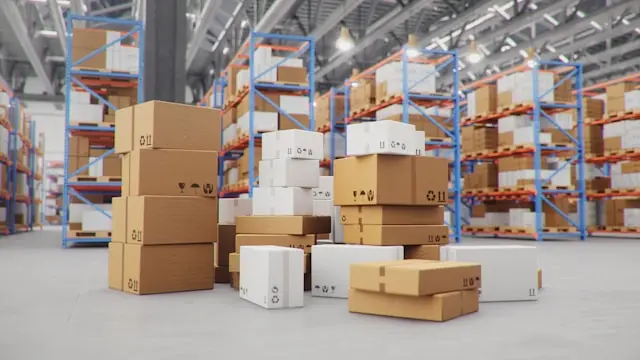
The more revealing data point is this: logistics warehouse vacancy in Västerås Municipality stood at 2.8% in Q3 2024, less than half the Swedish national average of 6.1%. Prime rents reached SEK 850 to 950 per square metre annually, a 12% premium over 2021 levels. This is not port-driven demand. It is manufacturing co-location demand. Firms need warehousing close to ABB, Hitachi Energy, and Northvolt because their supply chains require just-in-time component delivery, hazardous goods staging, and specialised handling that cannot be efficiently managed from a distribution park 100 kilometres away in Örebro.
The city's logistics activity is a derivative of its industrial and manufacturing base, not an independent sector. Every hiring decision in the supply chain here is shaped by the needs and cycles of four or five anchor manufacturers. When ABB's high-voltage product order intake declined in Q2 and Q3 2024, outbound freight volumes at Västerås logistics providers serving those clients dropped 8% year-on-year. The workforce serving this cluster does not operate in a diversified economy. It operates in one shaped by a handful of employers whose global demand cycles ripple directly into local vacancy rates.
The Bifurcated Labour Market: Two Shortages, One Sector
Here is the analytical claim that the raw data points toward but does not state directly: automation in Västerås logistics has not reduced the total number of workers needed. It has replaced one type of scarcity with another. Capital moved faster than human capital could follow. The manufacturers invested in robotic handling, automated guided vehicles, and AI-powered demand forecasting. Those systems require a new category of technician who combines PLC programming with mechanical maintenance. That person barely exists in sufficient numbers in the Mälardalen region. Meanwhile, the truck driver, the ADR-certified transport manager, and the warehouse operative remain essential to every supply chain that moves physical goods on Swedish roads. Automation has not touched those roles yet.
The result is a market with two simultaneous shortages that have nothing in common except that both prevent goods from reaching their destination.
The Manual Shortage: Drivers, Operatives, and Hazardous Goods Specialists
Arbetsförmedlingen registered 487 vacant positions in transport, logistics, and warehousing across Västmanland County in Q4 2024. That figure represented a 23% year-on-year increase. Average time-to-fill reached 68 days, compared to 45 days for all occupations in the county. But those are averages.
For heavy truck drivers with CE licences and ADR hazardous goods certification, the picture is worse. Logistics operators in the Mälardalen region typically face 90 to 120 day vacancy periods for long-haul drivers qualified to carry dangerous goods. The sector experiences 18% annual turnover, forcing operators to rely on temporary staffing agencies for 25 to 30% of driver hours during peak periods. The EU Mobility Package's tightened driving and rest time regulations have simultaneously reduced the pool of international driver capacity available to Swedish hauliers. Supply is shrinking from both ends.
The most acute scarcity sits in a niche most hiring leaders outside this market have never considered. Professionals holding ADR Dangerous Goods Safety Advisor certifications for class 1 (explosives) and class 7 (radioactive) materials are essential to Westinghouse's nuclear fuel supply chain and Northvolt's battery component logistics. The training pipeline is narrow. The regulatory complexity is high. These candidates do not apply for jobs. They are moved from one employer to another through direct approaches, making this an exclusively passive candidate market where conventional job advertising reaches no one who matters.
The Technical Shortage: Automation Technicians and Digital Supply Chain Analysts
The second shortage looks different but is equally acute. Employers including ABB and Hitachi Energy report typical recruitment cycles of four to six months for technicians who can maintain automated storage and retrieval systems and automated guided vehicles. The required profile combines PLC programming with mechanical maintenance expertise. It is a hybrid skill set that neither the traditional engineering pipeline nor the traditional trades pipeline produces in volume.
Alongside this, demand for supply chain analysts with SAP IBP, Oracle SCM Cloud, or Azure supply chain analytics certifications exceeds supply by an estimated 3:1 ratio in the region. Senior consultants and in-house analysts with these credentials receive multiple offers within two weeks of entering the market. The speed at which these candidates disappear has implications for any organisation running a traditional search process. A role that takes three weeks to approve internally and another two weeks to post publicly is already too late. The candidate accepted a different offer ten days ago.
This technical scarcity is the direct consequence of automation investment. The rise of AI and digital tools in industrial hiring has not reduced the need for people. It has raised the specification for the people required.
Compensation Benchmarks: What the Market Actually Pays
For hiring leaders benchmarking packages in this market, the compensation data reveals a clear tiering system shaped by employer size, role criticality, and certification requirements.
At the senior specialist and manager level, supply chain managers and logistics operations managers command SEK 720,000 to 950,000 annually in base compensation. Additional benefits including company car and pension add approximately 15 to 20% of base value. Professionals with seven to ten years of experience in manufacturing supply chains earn premiums of 8 to 12% above the Västerås median. This premium reflects the concentration of high-tech manufacturing clients whose complexity demands more than generic logistics management.
At executive and VP level, total compensation packages for directors of supply chain, VP operations, and heads of logistics range from SEK 1,200,000 to 1,800,000 annually. Variable pay accounts for 20 to 30% of base. At anchor employers like ABB and Northvolt, equity or long-term incentive plans add SEK 200,000 to 400,000 annually for senior directors. Negotiating these packages requires current market intelligence because the bands have shifted materially since 2022.
Specialised technical roles sit in their own band. Senior logistics automation engineers earn SEK 650,000 to 850,000 in base compensation. Senior transport managers earn SEK 680,000 to 900,000, with ADR and hazardous goods specialists consistently at the upper quartile. The premium for certifications that take years to obtain is real and growing.
These figures carry a critical caveat. Stockholm offers a 15 to 25% compensation premium for equivalent supply chain roles. Oslo offers 30 to 40% at the senior level, particularly in offshore and energy logistics. Västerås competes not on salary but on cost of living, quality of life, and commuting time. The median apartment price in Västerås is approximately SEK 3.2 million versus SEK 5.8 million in Stockholm. For mid-career professionals with families, that difference is decisive. For senior executives weighing a move to Norway, it often is not.
Three Geographic Competitors Pulling Talent in Different Directions
Västerås does not lose candidates to one competitor. It loses different candidates to different cities for different reasons. Understanding the competitive geography is essential for any hiring leader designing a talent attraction strategy in this market.
Stockholm: Premium Pay, Premium Career Paths
Greater Stockholm draws senior supply chain professionals with global headquarters access and significantly higher compensation. A supply chain director at a Stockholm-based multinational can expect 20% more in base salary and access to a broader set of board-visible roles. The pull is strongest at the executive level, where career trajectory outweighs cost-of-living calculations. A VP of operations in Västerås oversees a regional supply chain. A VP in Stockholm oversees a global one. The title may be the same. The career value is not.
Örebro: Larger Facilities, Stronger Graduate Pipeline
Örebro's emergence as a major distribution hub with larger logistics parks and lower operational costs presents a different challenge. Compensation in Örebro runs 5 to 8% below Västerås, but Örebro University's dedicated logistics programmes produce a graduate pipeline that Västerås lacks. This is a structural advantage that compounds over time. Employers in Örebro can recruit from a local pool of trained logistics professionals. Employers in Västerås must import them.
Norway: The Senior Executive Drain
The most damaging competitive dynamic is international. Senior supply chain executives and specialised logistics engineers are increasingly drawn to the Oslo region, where compensation premiums of 30 to 40% for senior roles outweigh higher living costs. Energy and offshore logistics sectors in Norway offer both higher pay and project complexity that Västerås cannot match. This drain is hardest to counter because the proposition required to retain a senior candidate against a 35% pay increase and a more visible role is rarely one that a Västerås employer can assemble.
Structural Constraints That Will Not Ease by 2027
The Västerås logistics market faces three constraints that are not cyclical. They are embedded in the physical and regulatory environment of the city.
First, industrial land availability is critically low. The municipality reports a vacancy rate below 3% for modern logistics facilities exceeding 5,000 square metres. Only 12 hectares of new industrial land have been allocated for 2025 to 2027, enough for approximately 60,000 square metres of logistics space. The municipality's own strategic plan prioritises 10,000 new housing units by 2030 over industrial expansion. Northvolt's planned addition of 150 to 200 supply chain and logistics roles by end of 2026 will intensify demand for co-located warehousing at exactly the moment when expansion capacity approaches zero.
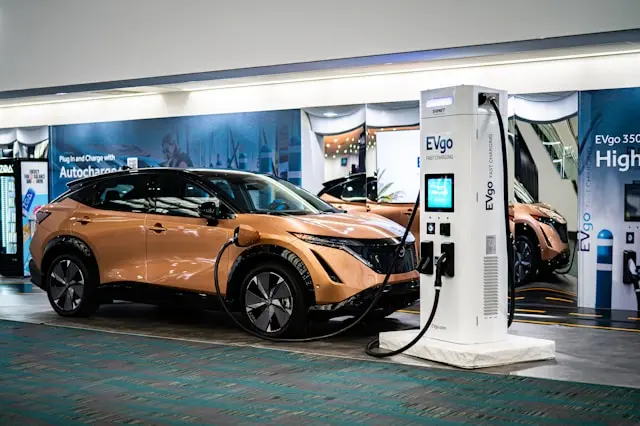
Second, transport decarbonisation regulation is accelerating faster than infrastructure can follow. The EU Emissions Trading System's phased inclusion of road transport and Sweden's klimatklivet mandate require logistics operators to invest in electric or biofuel heavy goods vehicles. Current charging infrastructure in Västerås industrial zones supports only 15% of projected fleet electrification needs by 2027. Operators face a compliance timeline that their physical environment cannot yet meet. Professionals who understand sustainable logistics compliance, ISO 14001 environmental management, and ETS reporting are in demand precisely because the regulatory burden is outpacing institutional readiness.
Third, energy cost volatility persists. Electricity prices in Mälardalen remain 40% above pre-2021 baselines. This affects energy-intensive warehousing operations, cold storage facilities, and the economics of electric vehicle charging. Every automated facility that replaces manual labour with robotic handling trades one cost pressure (wages) for another (electricity). The assumption that automation reduces total operating cost is less reliable when energy prices remain elevated.
These constraints shape the hiring environment in a way that goes beyond vacancy counts. They mean that the logistics talent Västerås needs must also be capable of operating within tighter physical, regulatory, and financial boundaries than their counterparts in Stockholm or Örebro face.
What This Means for Hiring Leaders Running Searches in This Market
The Västerås logistics talent market in 2026 is defined by a single uncomfortable reality. The roles that are most critical to hire are the roles that are least visible through conventional recruitment methods.
Senior supply chain directors and VP-level operations executives at anchor employers like ABB and Hitachi Energy hold tenures of four to seven years. Approximately 80% of placements at this level occur through executive search or direct headhunting rather than advertised vacancies. Specialised logistics engineers with PLC, SCADA, and robotics integration skills experience unemployment below 1.5% in the Mälardalen region. These candidates receive three to five unsolicited approaches monthly from recruiters and competitors. They are not checking job boards. They are not updating their CVs.
Certified dangerous goods transport managers are the extreme case. The pool is so small and the regulatory requirements so specific that employer-to-employer direct approaches are the sole recruitment vector. No advertisement will reach them because there is no channel through which they are looking.
For organisations attempting to hire in this market using traditional methods, the cost of a slow or failed executive search is measured in concrete operational terms. A supply chain director vacancy at a manufacturer like Northvolt during an expansion phase does not just represent an unfilled seat. It represents delayed supplier onboarding, deferred logistics partnerships, and production schedules that slip.
The firms succeeding in this market share a common approach. They map the available talent before they have a vacancy. They understand the compensation benchmarks well enough to present competitive packages without a three-month internal approval cycle. They reach passive candidates through trusted intermediaries rather than hoping those candidates will respond to a LinkedIn post. And they move within days, not weeks, because in a market where qualified analysts disappear within two weeks of becoming available, any process that takes longer than that is a process designed to lose.
KiTalent delivers interview-ready executive candidates within 7 to 10 days through AI-enhanced talent mapping that reaches the passive professionals who form 80% of this market's viable candidate pool. With a 96% one-year retention rate across 1,450 completed executive placements, the methodology is built for markets exactly like Västerås: small candidate pools, high specification requirements, and zero tolerance for slow searches.
For organisations competing for logistics, supply chain, and operations leadership in the Mälardalen region, where the talent you need is embedded in anchor employers and will not surface through any job board, speak with our executive search team about how we approach this market.
Frequently Asked Questions
What are the hardest logistics roles to fill in Västerås in 2026?
Three categories stand out. Heavy truck drivers with ADR hazardous goods certification face 90 to 120 day vacancy periods. Warehouse automation technicians combining PLC programming with mechanical maintenance take four to six months to recruit. Supply chain analysts with SAP IBP or Oracle SCM Cloud credentials disappear from the market within two weeks. The common factor is that each requires a combination of certifications and experience that the training pipeline does not produce at scale. Organisations relying on job postings for these roles will consistently find the strongest candidates already placed elsewhere.
What does a supply chain director earn in Västerås?
Total compensation packages for director and VP-level supply chain roles in Västerås range from SEK 1,200,000 to 1,800,000 annually. Variable pay typically accounts for 20 to 30% of base salary. At anchor employers like ABB and Northvolt, equity or long-term incentive plans can add SEK 200,000 to 400,000. These figures sit 15 to 25% below equivalent roles in Stockholm, but Västerås' significantly lower housing costs and shorter commuting times offset the gap for professionals prioritising quality of life. Market benchmarking is essential before structuring a competitive offer.
Why is Västerås logistics hiring so competitive despite automation investment?
Automation has not reduced workforce demand. It has changed the type of worker required. Manufacturers have invested in automated guided vehicles, robotic handling, and AI-driven forecasting. These systems require technicians with hybrid digital and mechanical skills who barely exist in sufficient numbers. Meanwhile, truck drivers, warehouse operatives, and hazardous goods specialists remain essential to every physical supply chain. The result is two simultaneous shortages with different causes and different solutions, both affecting the same employers.
How does Västerås compete with Stockholm and Oslo for logistics talent?
Västerås cannot match Stockholm's 15 to 25% compensation premium or Oslo's 30 to 40% premium for senior roles. Its competitive advantage is cost of living. Median apartment prices in Västerås are approximately SEK 3.2 million versus SEK 5.8 million in Stockholm. For mid-career professionals with families, that difference is often decisive. At the senior executive level, however, Stockholm and Oslo offer broader career visibility and higher compensation that Västerås struggles to counter. Retention of senior talent requires deliberate package design and long-term incentive structures.
What percentage of logistics candidates in Västerås are passive?
At the senior and specialist level, the passive candidate ratio is overwhelming. Approximately 80% of supply chain director and VP-level placements occur through executive search rather than advertised vacancies. Specialised logistics engineers experience unemployment below 1.5% and receive multiple unsolicited recruiter approaches monthly. Certified dangerous goods transport managers are exclusively passive. Only in driver and warehouse operative categories does a meaningful active candidate market exist, and even there, niche certifications push the most valuable candidates into passive behaviour.
How can KiTalent help with supply chain executive hiring in Västerås?
KiTalent uses AI-enhanced direct headhunting to identify and engage passive senior candidates who are not visible through job boards or recruiter databases. In a market like Västerås where the viable candidate pool is concentrated inside four or five anchor employers, this approach reaches professionals that traditional search methods miss entirely. KiTalent delivers interview-ready candidates within 7 to 10 days, operates on a pay-per-interview model with no upfront retainer, and maintains a 96% one-year retention rate across over 1,450 executive placements globally.