Why Doboj is a concentrated talent puzzle
Searches in Doboj are managed from KiTalent's Nicosia hub, with support from our other hubs when the candidate pool crosses markets. Standard recruitment fails in Doboj for reasons that have nothing to do with the city's size and everything to do with its economic structure. This is a market where a handful of major employers dominate, where the professional community is tightly interwoven, and where the skills most urgently needed sit at the intersection of disciplines that barely existed here five years ago. Posting a vacancy on a regional job board and waiting is not a strategy. It is a way to see the same recycled applicant pool that every other local employer already knows by name.
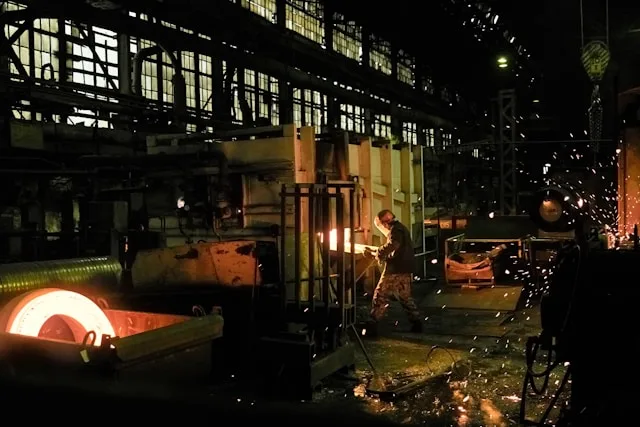
Doboj's economy runs on two engines: legacy heavy industry undergoing capital-intensive decarbonisation, and fast-growing logistics and light manufacturing clusters fuelled by nearshoring trends. Both engines draw from the same finite population of technical and managerial talent. Metalfer Group's €14 million hybrid furnace upgrade demands ESG and carbon compliance directors. The Kolektor E-Mobility facility needs plant managers with Lean Six Sigma credentials. DHL Supply Chain's fulfilment hub competes for supply chain managers with SAP certification. These are not interchangeable roles, but they all require the same underlying traits: cross-functional fluency, export-market awareness, and comfort operating within BiH's layered regulatory environment. When the official unemployment rate of 17.8% masks an acute shortage of exactly these profiles, the visible candidate market is a mirage.
Doboj's median age has reached 43.2, and the pipeline of skilled professionals is being steadily depleted by emigration to Germany and Austria. The municipal "Returnee Incentive" programme, offering €5,000 grants for diaspora engineers, has seen limited uptake. This is the reality: the strongest candidates often hold German-language qualifications and maintain networks in Central Europe. Reaching them requires direct headhunting through individually crafted outreach, not advertisements placed in a market they left years ago. The passive majority of senior talent of high-performing professionals who are not actively seeking new roles is, in Doboj's case, partly scattered across a diaspora that conventional recruitment methods simply cannot access.
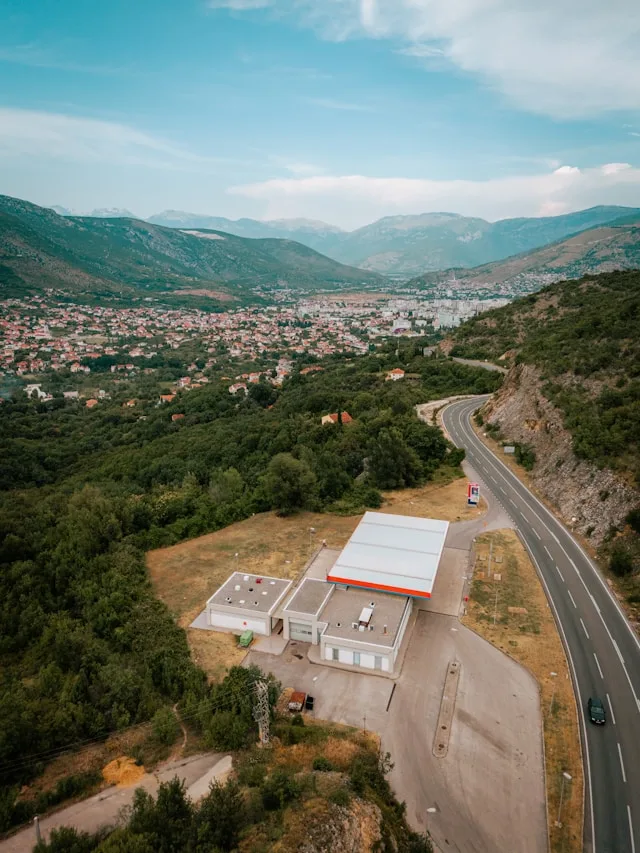
In a city of 74,000, senior professionals across manufacturing, logistics, and construction know each other. A poorly managed search process, an indiscreet approach, or a withdrawn offer does not stay private. It circulates through the same networks that future candidates and clients occupy. This is why process quality is not a luxury in Doboj. It is the price of continued access. KiTalent's Go-To Partner approach treats every candidate interaction as a reflection of the client's brand, applying the same rigour to a search in Doboj that it applies to mandates in far larger markets.