Why Zenica is one of the most concentrated executive markets in Southeast Europe
Searches in Zenica are managed from KiTalent's Nicosia hub, with support from our other hubs when the candidate pool crosses markets. Standard recruitment methods underperform in Zenica for reasons that have nothing to do with the city's size. The challenges here are systemic, deeply rooted in the city's industrial heritage and the speed of its current transition. Firms relying on job postings and inbound applications are consistently late. By the time a shortlist is assembled through conventional channels, the strongest candidates are already committed elsewhere.
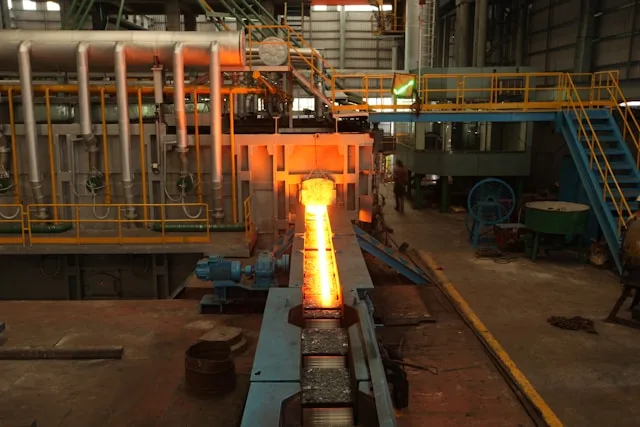
ArcelorMittal accounts for 35% of municipal tax revenue and 22% of formal private-sector employment. This level of concentration means the most experienced operational leaders, plant directors, and sustainability specialists in Zenica have spent entire careers within one corporate ecosystem. They are not on job boards. They are not updating LinkedIn profiles. They are managing a €240 million decarbonization programme and solving problems that most European steel plants have not yet confronted. Reaching them requires direct headhunting built on individually crafted outreach and credible industry knowledge, not mass messaging.
Zenica's pivot to electric arc furnace production, hydrogen direct reduction piloting, and EU Carbon Border Adjustment Mechanism compliance has generated an entirely new category of senior roles. Chief Sustainability Officers, energy transition project managers, digital transformation leads bridging legacy metallurgy with AI-driven maintenance: these positions require a combination of heavy-industry experience and green-economy expertise that barely exists in the Western Balkans talent pool. The people qualified to fill them are scattered across ArcelorMittal's global network, European energy firms, and a handful of advanced manufacturing operations in Germany and Austria.
Zenica's working-age population contracted 8% between 2020 and 2025. Tertiary-educated youth continue to emigrate to Germany and Austria at roughly 5% per year, with software developers and medical professionals leaving fastest. ArcelorMittal and the major logistics operators now recruit across a commuter belt stretching to Travnik and Busovača, with commuter rates up 25%. This demographic pressure means every senior hire in Zenica is a competitive act. The executives capable of leading this city's transition are finite in number, known to one another, and already employed. A Go-To Partner approach that maintains continuous market intelligence is not a luxury here. It is the only way to stay ahead of the competition for a diminishing talent base.