
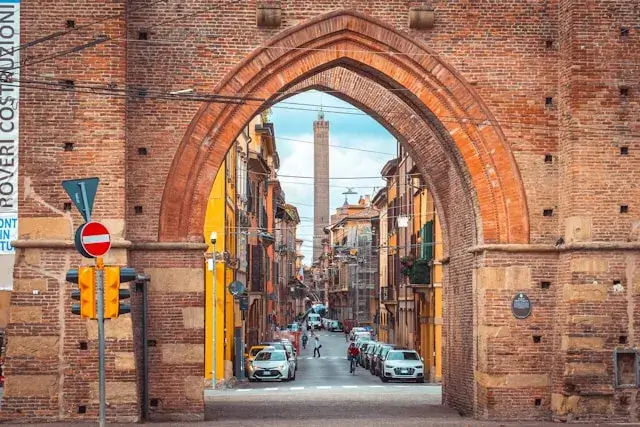
Recruitment Trends in Bologna 2025–2026: What Candidates and Companies Need to Know
Bologna has long been defined by its three historic nicknames: La Dotta (The Learned), La Grassa (The Fat), and La Rossa (The Red).
Bologna, Italy Executive Search
KiTalent brings sector-specific intelligence and direct headhunting capability to senior leadership searches across Bologna.
Track record on suitable mandates: 7–10 working days to validated shortlist · 96% one-year retention · NPS 72. How we measure performance.
Searches in Bologna are managed from KiTalent's Turin hub, with support from our other hubs when the candidate pool crosses markets. Bologna appears manageable on paper. A metropolitan employment rate of roughly 71.9% and a dense cluster of mid-sized manufacturers suggest an accessible talent pool. The reality is different. The same qualities that make Bologna economically resilient make its senior leadership market tight, interconnected, and resistant to conventional recruitment approaches.
Emilia-Romagna's manufacturing culture rewards long service. Plant directors at firms like IMA Group or Ducati often hold their positions for a decade or more. They are embedded in supplier networks, local governance structures, and regional business relationships that create high switching costs. A job posting on a national platform will not reach these individuals. Nor will a generic LinkedIn message. They respond to credible, sector-specific outreach from someone who understands what they do. The passive majority of senior talent is not an abstraction here. It is a precise description of the hiring challenge.
Bologna's economy is not a collection of independent sectors. Ducati's supply chain overlaps with IMA Group's machining suppliers. Granarolo's food-processing operations share automation vendors with Carpigiani. When a packaging automation firm needs a head of operations, the realistic candidate pool includes perhaps 30 to 40 individuals across the metro area. Most of them already work for companies that are also clients, partners, or customers of the hiring firm. This overlap demands discretion, market intelligence, and a search process that protects employer brands on both sides of the hire.
Milan is 220 kilometres and one hour by high-speed rail from Bologna. For senior executives considering their next move, Milan offers higher base compensation, larger corporate headquarters, and broader international exposure. Bologna's counter-proposition is real: lower cost of living, shorter commutes, world-class food culture, and the operational intensity of running production rather than managing presentations. But articulating that proposition to passive candidates requires a firm that understands both markets. It requires compensation calibration that accounts for Milan benchmarks and Bologna realities. Without that, offers fail at the negotiation stage. These dynamics are why a Go-To Partner approach to talent acquisition matters more in Bologna than in larger, more liquid markets. The city rewards firms that have pre-existing intelligence, not firms that start from zero when a mandate arrives.
Bologna is not one talent pool. It is a network of interlocking professional communities, each with its own compensation norms, career patterns, and competitive dynamics. Executive search here must be sector-specific to be credible.
Plant directors, heads of supply chain, and Industry 4.0 transformation leaders for precision engineering and capital goods firms.
Systems integration leaders, heads of R&D, and commercial directors serving global pharmaceutical and FMCG clients.
Engineering directors, production heads, and motorsport operations leaders within Bologna's motorcycle and performance vehicle ecosystem.
R&D directors, regulatory affairs heads, and general managers bridging traditional food production with food-tech innovation.
Chief risk officers, heads of digital transformation, and actuarial leadership for Bologna's insurance headquarters and related operations.
Clinical development directors, medtech commercial leads, and biomedical research directors connected to Bologna's IRCCS institutions.
Bologna's executive search market is strongest where its economic specialisation is deepest.
Ducati's Borgo Panigale facility is not just an assembly plant. It is a vertically integrated R&D, production, and motorsport hub currently executing a 2025 to 2029 development contract focused on digitisation and sustainable manufacturing. IMA Group, headquartered in the metropolitan area at Ozzano dell'Emilia, supplies packaging and processing machinery to global pharmaceutical and consumer…
Granarolo, one of Italy's largest dairy groups, is headquartered in Bologna. Carpigiani, now part of Ali Group, runs global gelato equipment manufacturing and training from nearby Anzola dell'Emilia. Barilla's open-innovation programme Good Food Makers, run through the University of Bologna's Almacube incubator, is generating food-tech startups that need commercial leadership as they scale.
Industrial, Manufacturing, and Robotics · AI, Technology & Digital Infrastructure · Consumer Brands & FMCG
Unipol, one of Italy's major insurance groups, maintains its operational and corporate headquarters on Via Stalingrado in Bologna. The group's presence anchors a local ecosystem of risk, compliance, IT, and corporate services roles. Demand centres on chief risk officers, heads of digital transformation, and actuarial leadership.
Bologna Guglielmo Marconi Airport handled approximately 10.8 million passengers and over 56,000 tonnes of cargo in 2024, a record year with cargo growing 10.5% over 2023. Interporto Bologna, one of Italy's largest intermodal freight platforms at roughly 4 million square metres, connects the city's manufacturers to European road and rail networks. This infrastructure drives demand for logistics…
BolognaFiere reported H1 2025 group revenues of approximately €193 million, up 26% year-on-year. Events like Cosmoprof, MECSPE, and R2B bring international business visitors into the city at scale. The ripple effects extend into travel and hospitality leadership: hotel general managers, conference services directors, and business development heads who can manage an event-driven demand cycle…
IRCCS Istituto Ortopedico Rizzoli and Policlinico Sant'Orsola anchor a biomedical cluster that has received approximately €6.63 million in PNRR funding across seven research projects. The focus areas include orthopaedics, medtech device development, and rehabilitation technology. Spin-outs from these institutions need commercial leaders and clinical development directors.
Companies rarely need only reach in Bologna. They need interpretation, calibration, and a search architecture that reflects the real structure of the market.
Our team runs Bologna mandates through KiTalent's four regional hubs, combining local market intelligence with cross-border execution across Europe, the Americas, the Middle East, and Asia Pacific.
The strongest executives in Bologna are passive. Our direct headhunting approach engages the passive majority of senior talent through discreet outreach rooted in real market knowledge.
Our parallel mapping methodology means we already hold live intelligence on restructuring, transition windows, compensation patterns, and candidate attraction opportunities when a brief arrives.
In Bologna, the cost of a wrong executive hire extends far beyond the recruitment fee. Our Proof-First Search model lets clients see real market output and qualified candidates before the bulk of the investment is committed.
Related city stories from the same regional talent cluster.
Carpi is one of Italy's most concentrated manufacturing economies: 71,600 residents, a €1.9 billion furniture and upholstery district, and a network of 400+ SMEs collectively…
Cesena sits at the intersection of Emilia-Romagna's packaging machinery corridor, a fast-maturing agri-tech cluster, and a health-tech ecosystem anchored by the Bufalini Hospital…
Faenza is where centuries of ceramic mastery meet advanced materials science, precision agri-food processing, and a dense SME manufacturing network that punches far above the…
Ferrara is a UNESCO Renaissance city where petrochemical production, agro-food systems, and manufacturing SMEs compete for a shrinking pool of senior leaders. With an ageing…
These resources provide deeper market intelligence and explain how KiTalent turns insight into a faster, more transparent search process.
Bologna has long been defined by its three historic nicknames: La Dotta (The Learned), La Grassa (The Fat), and La Rossa (The Red).
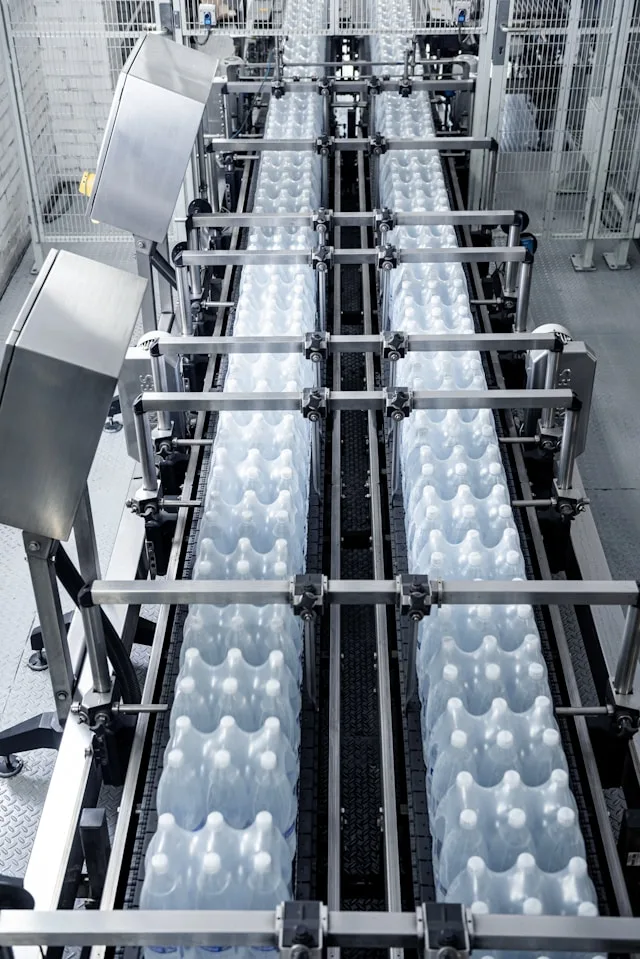
Bologna's Packaging Valley entered 2026 with a paradox that no amount of investment has resolved. The district's anchor companies reported order backlogs stretching beyond...
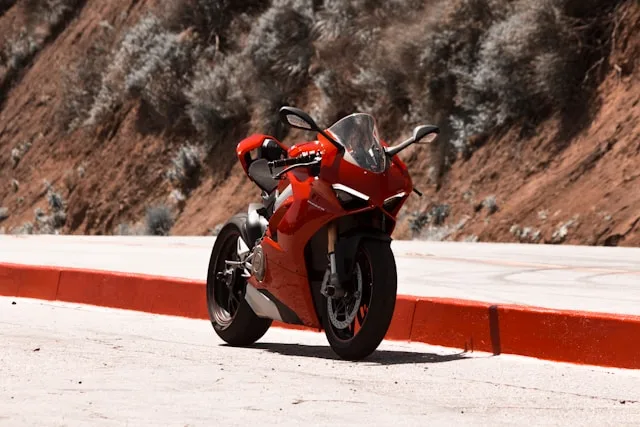
Bologna's motorcycle manufacturing corridor generated €1.8 billion in production value in 2024, a 4.2% increase on the previous year. Ducati Motor Holding reported record...
Use these pages to navigate between parent markets, sector pages, and supporting articles.
These are the questions most closely tied to how executive search really works in Bologna.
Bologna's executive talent pool is small, interconnected, and largely invisible to conventional recruitment methods. The metropolitan employment rate of approximately 71.9% means the visible candidate market is thin. The leaders who would make the strongest hires are embedded in long-tenure positions at firms like Ducati, IMA Group, Granarolo, or Unipol. They are not responding to job postings. Reaching them requires direct, discreet outreach from consultants who understand their industry, their career stage, and what a credible proposition looks like. Executive recruiters exist to access this population and to manage the process with the discretion that Bologna's overlapping business relationships demand.
Milan offers a larger, more liquid talent market with higher base compensation and more multinational headquarters. Bologna offers operational intensity, production leadership opportunities, and a cost of living that allows compensation packages to stretch further. The challenge is that candidates often benchmark against Milan salaries, and Bologna-based firms must articulate a total-value proposition that goes beyond base pay. Bologna searches also require more discretion because the professional community is smaller and more interconnected. A candidate approach that would go unnoticed in Milan becomes visible quickly in Emilia-Romagna's tight business networks.
Searches are coordinated from our European headquarters in Turin, which gives us direct proximity to the Emilia-Romagna market. We begin with parallel mapping: continuous intelligence on career movements and compensation patterns across Bologna's key sectors, gathered before a specific mandate exists. When a client engagement begins, we already know who holds comparable roles and where realistic candidates sit. We then conduct direct headhunting into the passive talent pool, using sector-specific outreach that earns responses. Every mandate also produces documented market intelligence that informs offer design and competitive positioning.
Our standard is 7 to 10 days from brief confirmation to a qualified shortlist of interview-ready candidates. This speed comes from parallel mapping, not from cutting corners on assessment. Because we continuously track Bologna's manufacturing, food, insurance, and logistics leadership markets, we are not starting research from zero. Each candidate undergoes technical competency evaluation and a personal meeting to assess cultural fit and genuine motivation before being presented.
Bologna's major employers are also each other's customers, suppliers, and partners. Ducati's supply chain shares vendors with IMA Group. Granarolo's operations intersect with local packaging and automation providers. This means a senior hire from one firm can have commercial implications for another. The search process must be managed with discretion that protects relationships on both sides. It also means the realistic candidate universe for any given role is narrower than headcount figures suggest. Effective search in this environment requires pre-existing market intelligence and a process designed to protect the employer brand in a community where reputations are built over decades.
Whether you are building a leadership team or filling a succession gap in Bologna, we can help you map the talent landscape, calibrate the brief, and reach the passive candidates who will not surface through any other method.
What we bring to Bologna executive mandates:
Executive search and direct headhunting · Talent mapping and market intelligence · Compensation benchmarking and mandate calibration · Connection to KiTalent's four regional hubs, Proof-First Search, and our international executive search network.
Whether you are running a live mandate or want to pressure-test a brief before going to market, this is the right place to start the conversation.
Author of record: Milena Vitale, Associate Director. Based on local market intelligence and executive-search data.
Share your CV and a sentence on the mandate types you'd consider. We respond within five working days.