Why Verona is a deceptively difficult market for executive hiring
Searches in Verona are managed from KiTalent's Turin hub, with support from our other hubs when the candidate pool crosses markets. Verona looks manageable on paper. A mid-sized Italian city with a clear set of industry clusters and a stable professional community. But that clarity is precisely what makes executive search here harder than most hiring managers expect.
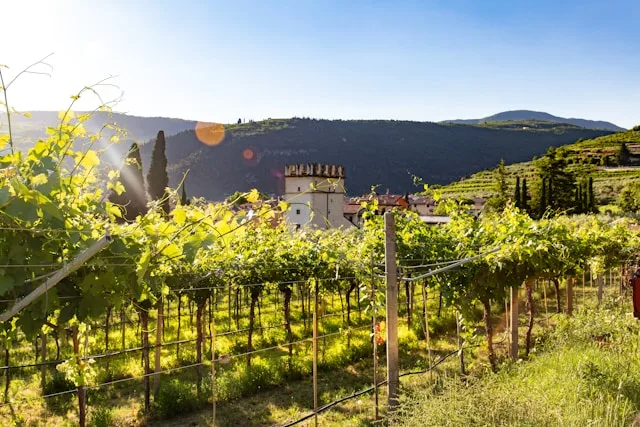
Standard recruitment works when there is a meaningful flow of active candidates. Verona's market does not produce that flow. The senior professionals who run logistics operations at Quadrante Europa, who lead export strategy for DOC wine houses, or who manage exhibition programmes at Veronafiere are well-compensated, deeply embedded, and not browsing job boards. They belong to the passive majority of senior talent that conventional methods never reach.
Verona's executive circles are small and interconnected. A logistics director at one of the hundred firms inside Quadrante Europa likely knows counterparts at most of the others. A wine export manager at Masi Agricola has long-standing relationships with buyers who also work with competing estates. When a search is handled carelessly, word travels fast. A clumsy approach or a withdrawn offer does not just damage one hire. It compromises the employer's reputation across an entire cluster. This is a market where process quality is not a nice-to-have. It is a precondition for reaching the candidates who matter.
The roles Verona employers need to fill are technically specific. A head of intermodal operations must understand rail freight scheduling, customs compliance, and modal-shift economics. A chief commercial officer for a trade-fair operator must grasp B2B exhibition monetisation and international buyer acquisition. A sustainability director for a wine group needs to balance EU decarbonisation mandates with viticultural realities. Generalist recruiters approaching these candidates with a surface-level brief get ignored. The candidates know within the first two minutes whether the person contacting them understands their world.
Verona's clusters are distinct but not isolated. The logistics park needs digital supply-chain talent. So do the wine exporters optimising their direct-to-consumer channels. Veronafiere needs data and digital experience managers. So do the tourism operators trying to raise average visitor spend. The same finite pool of commercially minded, digitally capable mid-to-senior professionals is being pulled in multiple directions. Firms that do not have pre-existing intelligence on this talent pool are always a step behind.
These dynamics make Verona a market where a Go-To Partner approach to talent acquisition is not a luxury. It is the only way to run senior searches that consistently reach the right people, protect the client's brand, and close within a timeline that keeps the business moving.