The buyer question
Can a Valpolicella wine mandate - oenology, appassimento production or export management - be filled in the Verona hills, and what does the public record actually prove?
What the public record shows
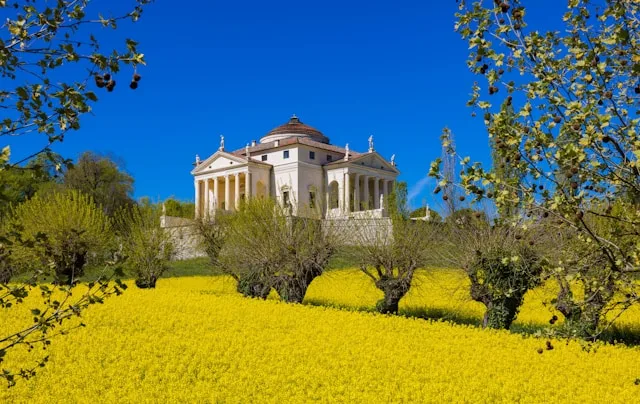
The verified public record for this market is anchored by the Wikipedia article on Valpolicella, the valley wine region in Verona. Its wines are made from three grape varieties - Corvina Veronese, Rondinella and Molinara - with styles spanning light table wines, recioto dessert wine and Amarone, a strong wine made from dried grapes; Valpolicella Classico comes from the original production zone, Superiore is aged at least a year, and in late 2009 Ripasso della Valpolicella received its own DOC designation.
Read alongside the Italian protected-designation records on this site - the Treviso Prosecco DOCG and Reggio Emilia Parmigiano PDO analyses - Valpolicella is the third leg of the corpus's designation coverage: a Verona-province wine territory whose styles and zones the record defines, recruiting cellar and export professionals inside a territorially bounded labour system whose data the record does not carry.
Neither the variety list nor the style definitions measures what a hiring leader needs to know: whether oenologists, appassimento-production specialists or export managers are available at a given seniority in a given harvest cycle, or what prices and revenues truly are. That requires a search with contacted, assessed and validated candidates.
What changes in this market
Employers in the Valpolicella wine economy prove themselves differently from the Prosecco hills and the Parmigiano provinces on this site: a Verona valley whose defining craft is the dried-grape Amarone method - a production process whose drying months stretch the harvest calendar and hold cellar staff through winter - recruits oenologists and export professionals for estates whose families own centuries of technique, the Classico-zone boundary splits the territory into tiered labour demand, and Verona city's logistics and tourism employers compete for the same administrative pool. Each function, phase and stage of a mandate here - oenology, appassimento production, export management - proves itself against that dried-grape-structure rather than against a national average.
KiTalent's mandate analysis
- Frame the mandate by production stage before the search: vineyard and harvest work, drying-floor and cellar operations through the appassimento months, and export management recruit on different calendars inside the same designation territory.
- Treat the Amarone method as the retention advantage: a process that holds staff through winter differentiates this market from seasonal-only wine regions - mandates should sell the calendar, not just the wage.
- Recruit across the Verona province deliberately: the designation's professionals circulate with the city's logistics and tourism employers - define the mandate's catchment at start.
- Ask any search partner for contacted, assessed and validated candidates per specialism before accepting price statistics as evidence of workforce availability.
Where the public record stops
No located primary public record verifies average-price figures, company revenue-growth percentages, oenologist-ratio claims or search-duration statistics. What the region's public record can prove stands above, with its dates attached.
Sources
Related KiTalent research
- The Market Map Is Not the Shortlist: helps a buyer choose between testing the Valpolicella wine market and commissioning a search with contacted, assessed and validated candidates
- How to Assess a Leader Beyond Competencies: shows how to gather decisional evidence for this mandate - the research method behind testing production stage, dried-grape calendar structure and cross-province catchment - with candidate evidence assessed conversation by conversation