Lower Saxony, Germany Executive Recruitment

Executive Search in Lower Saxony

helping industrial and infrastructure employers hire leaders for automotive transformation, energy transition, ports and complex operations. The mandate mix is shaped by the Hannover–Braunschweig–Göttingen–Wolfsburg corridor and the North Sea maritime axis, with different talent realities in each sub-market. 7–10 day shortlists · 80% passive talent reached · 42% faster · 96% retention See context in About, Services and Methodology.

7-10

days to qualified shortlists in many searches

80%

of relevant passive talent reached through direct headhunting

42%

faster time-to-hire than traditional search benchmarks

96%

one-year retention from KiTalent's broader methodology

These are KiTalent track-record figures referenced across our core about, services, and methodology pages.

Why Lower Saxony is a transformation-led hiring market with tight supply

Standard recruitment underperforms in Lower Saxony because many roles sit at the intersection of industrial change, regulated labour relations, and hard-to-relocate operational leadership. Candidate availability is further constrained by shortages in engineering, digital, project delivery and specialist operations, which intensifies competition for credible transformation leaders.

In large employers and suppliers, Mitbestimmung and active works councils shape how mandates are approved, communicated and executed. The best candidates expect clarity on stakeholder ownership, supervisory-board dynamics, and how decisions will be made once they arrive. This is especially visible in high-profile industrial ecosystems such as Wolfsburg, where leadership remit and labour relations are inseparable.

Central Lower Saxony concentrates corporate headquarters, R&D links and service leadership. Coastal and western nodes centre on ports, logistics, offshore wind and energy infrastructure, where leadership density is lower and relocation needs more deliberate packaging. In practice, searches often start from the central market in Hanover and then extend into coastal operations with tailored incentives.

Many target leaders are embedded in incumbent OEMs, Tier-1 suppliers, utilities or steel. They do not apply, and they protect confidentiality because the cost of being visible is high. That is why the hidden 80% matters in this Land, and why our work is grounded in long-term intelligence from the start. This is where a Go-To Partner model helps: continuous mapping, role calibration, and process transparency that protects employer brand while competing for scarce leaders.


What is driving executive demand in Lower Saxony

Several structural forces are converging to shape executive demand across Lower Saxony.

Automotive electrification and manufacturing change

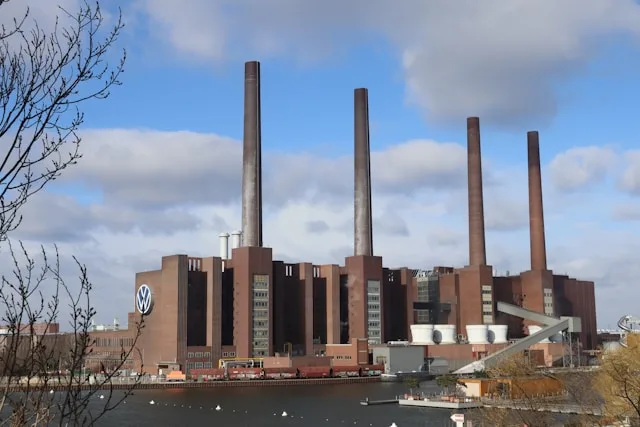
continue to drive senior hiring because Volkswagen’s Wolfsburg complex anchors a large supplier and operations ecosystem, and transformation programmes reshape plant, quality and supply-chain leadership expectations. In Lower Saxony, those mandates concentrate around Wolfsburg and the broader metropolitan corridor, with demand for leaders who can deliver change at mass-production scale. Our work here aligns with the automotive sector and with executive profiles that can lead digital manufacturing and electrification agendas.

Tier-1 systems, mobility technology and corporate headquarters roles

are pulled by Continental’s headquarters presence in Hanover and by the region’s research links through institutions and universities. This creates demand for senior leaders who can connect product, software, compliance and industrialisation into one operating model. Searches frequently sit at the interface of engineering, procurement and transformation, which overlaps with industrial automation, robotics and control systems leadership requirements.

Energy transition, grids and offshore wind supply chains

are expanding the need for programme directors and commercial leaders who can manage regulatory, grid integration and CAPEX delivery. EWE’s base in Oldenburg, ENERCON’s footprint in Aurich and the Ems region, plus the coastal port axis at Cuxhaven, Emden and Wilhelmshaven, all shape the regional leadership agenda. These mandates map naturally to the oil, energy and renewables sector where compensation and relocation terms often decide finalist conversion.

Ports, deep-water logistics and maritime infrastructure

remain a distinct executive market because Wilhelmshaven hosts Germany’s only deep-water port and the JadeWeserPort container terminal, with adjacent freight and terminal operations. Leaders in this space must combine physical-asset operations with international trade exposure, and hiring often needs national reach. For cross-border candidate pools and global operator benchmarks, mandates commonly require an international executive search approach alongside local market intelligence.

Aerospace aerostructures and advanced manufacturing

create specialist leadership needs through Airbus aerostructures sites in Stade, Varel and Nordenham, with research links into the wider Braunschweig ecosystem. These searches focus on programme delivery, supplier quality and engineering leadership under strict timelines. That aligns with the aerospace, defence and space sector where assessment must test delivery discipline, not only technical depth.

What this means for search design

Search design in Lower Saxony needs to assume inter-state competition from Hamburg and Bremen for maritime leadership, and from Bavaria and Baden-Württemberg for senior automotive and digital executives. That changes both the target list and the conversion strategy, because finalists often compare mandate autonomy and long-term stability, not only compensation. The practical response is to begin with mapping, not adverts. A talent mapping phase clarifies where target leaders sit in OEMs, suppliers, utilities, steel and port operations, and it highlights who is realistically movable. For transformation and project delivery roles, pipeline strength matters more than a single shortlist. A talent pipeline approach helps when an employer expects multiple leadership hires across a programme, or anticipates succession waves created by electrification and decarbonisation. When the organisation needs immediate operating capacity while a permanent search runs, an interim bridge can protect delivery and stakeholder confidence. That is where interim management becomes a practical part of search design, not a last resort.

Automotive and supplier transformation

Wolfsburg anchors the highest concentration of OEM-scale operational leadership requirements, and it drives demand for plant transformation, quality and supply-chain executives. Work here connects directly to the automotive sector and to leaders who can deliver change under…

Mobility technology, R&D and corporate functions

Hanover concentrates corporate leadership needs through major headquarters functions and research-linked ecosystems. This is where organisations hire transformation leaders who can align engineering, digital and operating models, often adjacent to AI and technology agendas.

Energy, grids and renewables delivery

The Oldenburg–Emsland energy and utilities axis, alongside offshore wind logistics on the coast, creates demand for project governance, regulatory leadership and commercial operating roles. These mandates sit in the oil, energy and renewables sector and require credible…

Steel, heavy industry and decarbonisation

Salzgitter AG and related metallurgy activity create a leadership market built around operational excellence, procurement discipline and sustainability-driven investment. This aligns with industrial manufacturing where candidates must show both cost control and…

Ports, terminals and physical-asset logistics

JadeWeserPort and North Sea infrastructure drive an executive market focused on terminal operations, commercial development and safety-led operating culture. These searches align with maritime, shipbuilding and offshore mandates where international trade…

Why mobility matters

Executive mobility across Lower Saxony's cities is shaped by compensation expectations, relocation appetite, family considerations, and international exposure.

A search that maps where the right leaders actually operate, and understands the conditions under which they would consider a move, is fundamentally more effective than one that treats Lower Saxony as a flat national market.

BROWSE ALL 2 CITIES IN LOWER SAXONY

Sector strengths that define Lower Saxony executive search

Lower Saxony's executive search market is strongest where its economic specialisation is deepest.

OTHER REGIONS IN GERMANY
Baden-WürttembergBavariaBrandenburgHesseMecklenburg-VorpommernNorth Rhine-WestphaliaRhineland-PalatinateSaxonySaxony-AnhaltSchleswig-HolsteinThuringia

Why companies partner with KiTalent for executive search in Lower Saxony

Companies rarely need only reach in Lower Saxony. They need interpretation, calibration, and a search architecture that reflects the real structure of the market.

We operate across Lower Saxony

Our team coordinates Lower Saxony mandates from our European headquarters in Turin, with direct access to the talent intelligence, compensation dynamics, and sector developments that drive search outcomes.

We reach the candidates that matter

The strongest executives in Lower Saxony are passive. Our direct headhunting approach engages the hidden 80% of passive talent through discreet outreach rooted in real market knowledge.

We do not start from scratch

Our parallel mapping methodology means we already hold live intelligence on restructuring, transition windows, compensation patterns, and candidate attraction opportunities when a brief arrives.

Our model de-risks the investment

In Lower Saxony, the cost of a wrong executive hire extends far beyond the recruitment fee. Our interview-fee model lets clients see real market output and qualified candidates before the bulk of the investment is committed.

Lower Saxony’s leadership markets by sector

Lower Saxony is not one talent pool. The region’s strongest leadership markets differ between the central metropolitan corridor and the coastal infrastructure axis, and role success depends on fitting that reality.

1. Parallel mapping before the brief hardens

We start by building a live market map in parallel with role definition so the organisation can test feasibility, compensation and relocation assumptions early. This is where our methodology reduces false starts and shortens decision cycles.

2. Direct headhunting into the passive market

We use headhunting to reach executives who will not respond to inbound channels, and we apply the logic of the hidden 80% to protect confidentiality while maximising reach.

3. Market intelligence that supports board-level decisions

We provide structured intelligence on competitor hiring, candidate motivations and compensation pressure points to keep the process realistic. That work is anchored in market benchmarking and refreshed weekly through pipeline visibility.

Automotive and supplier transformation

Wolfsburg anchors the highest concentration of OEM-scale operational leadership requirements, and it drives demand for plant transformation, quality and supply-chain executives. Work here connects directly to the automotive sector and to leaders who can deliver change under co-determination constraints.

Essential reading for Lower Saxony hiring decisions

These resources provide deeper market intelligence and explain how KiTalent turns insight into a faster, more transparent search process.

Frequently asked questions about executive search in Lower Saxony

These are the questions most closely tied to how executive search really works in Lower Saxony.

Why use executive recruiters in Lower Saxony?

Because many of the highest-impact candidates are not on the market, and the region’s most common mandates are transformation-led. Automotive, energy, ports and heavy industry roles often require credibility with technical stakeholders and comfort with co-determination. A recruiter that relies on inbound channels will miss most relevant leaders, especially those embedded in OEMs, suppliers and utilities. A direct approach, built for the passive market, is usually decisive, which is why clients focus on the hidden 80%.

What makes Lower Saxony different from North Rhine-Westphalia?

North Rhine-Westphalia offers a deeper and denser executive labour market across multiple sectors, which can reduce search friction for generalist leadership roles. Lower Saxony competes with specialised pockets: Wolfsburg-scale automotive, Salzgitter heavy industry, and strategic coastal assets such as Wilhelmshaven and JadeWeserPort. That combination can deliver unique mandates, but it tightens local supply and increases the need to recruit nationally. Search design therefore tends to be more targeted, with stronger relocation and conversion planning.

How does KiTalent approach executive search in Lower Saxony?

We treat Lower Saxony as a set of connected sub-markets rather than a single pool, and we begin with mapping to test feasibility before outreach begins. We then run direct, confidential headhunting with weekly transparency so stakeholders stay aligned. Market intelligence is not a report at the end. It is a live input into role design, compensation, and the narrative used to convert passive candidates. This approach is designed for transformation mandates and for works council-aware leadership environments.

How quickly can you present candidates in Lower Saxony?

We typically aim to present a first shortlist in 7 to 10 days once the role scope and target market are confirmed, because mapping and outreach start immediately. Speed still depends on factors that are common in this Land: stakeholder alignment under co-determination, confidentiality constraints, and whether relocation to coastal sites is required. When these elements are clarified early, momentum improves and conversion rates rise. When they remain ambiguous, the process often slows regardless of recruiter effort.

Do you support cross-state or international hiring for Lower Saxony roles?

Yes. Ports, energy infrastructure and aerospace supply chains are inherently international, and many relevant executives sit outside the Land in Hamburg, Bremen or southern industrial hubs. We design searches to include those markets from the start and use an international executive search lens when the role scope demands cross-border experience or global stakeholder management.

Why use executive recruiters in Lower Saxony?

Because many of the highest-impact candidates are not on the market, and the region’s most common mandates are transformation-led. Automotive, energy, ports and heavy industry roles often require credibility with technical stakeholders and comfort with co-determination. A recruiter that relies on inbound channels will miss most relevant leaders, especially those embedded in OEMs, suppliers and utilities. A direct approach, built for the passive market, is usually decisive, which is why clients focus on the hidden 80%.

What makes Lower Saxony different from North Rhine-Westphalia?

North Rhine-Westphalia offers a deeper and denser executive labour market across multiple sectors, which can reduce search friction for generalist leadership roles. Lower Saxony competes with specialised pockets: Wolfsburg-scale automotive, Salzgitter heavy industry, and strategic coastal assets such as Wilhelmshaven and JadeWeserPort. That combination can deliver unique mandates, but it tightens local supply and increases the need to recruit nationally. Search design therefore tends to be more targeted, with stronger relocation and conversion planning.

How does KiTalent approach executive search in Lower Saxony?

We treat Lower Saxony as a set of connected sub-markets rather than a single pool, and we begin with mapping to test feasibility before outreach begins. We then run direct, confidential headhunting with weekly transparency so stakeholders stay aligned. Market intelligence is not a report at the end. It is a live input into role design, compensation, and the narrative used to convert passive candidates. This approach is designed for transformation mandates and for works council-aware leadership environments.

How quickly can you present candidates in Lower Saxony?

We typically aim to present a first shortlist in 7 to 10 days once the role scope and target market are confirmed, because mapping and outreach start immediately. Speed still depends on factors that are common in this Land: stakeholder alignment under co-determination, confidentiality constraints, and whether relocation to coastal sites is required. When these elements are clarified early, momentum improves and conversion rates rise. When they remain ambiguous, the process often slows regardless of recruiter effort.

Do you support cross-state or international hiring for Lower Saxony roles?

Yes. Ports, energy infrastructure and aerospace supply chains are inherently international, and many relevant executives sit outside the Land in Hamburg, Bremen or southern industrial hubs. We design searches to include those markets from the start and use an international executive search lens when the role scope demands cross-border experience or global stakeholder management.

Start a conversation about your Lower Saxony search

If you are hiring a COO or plant leader tied to Wolfsburg-scale manufacturing, a corporate transformation director in Hanover, or a programme head for coastal energy infrastructure, we can help you pressure-test the role and the candidate market early.

What we bring to Lower Saxony executive mandates:

Baden-Württemberg · Bavaria · Berlin · Brandenburg · Bremen · Hamburg · Hesse · Mecklenburg-Vorpommern · North Rhine-Westphalia · Rhineland-Palatinate Saarland · Saxony · Saxony-Anhalt · Schleswig-Holstein · Thuringia

Tell us about your Lower Saxony hiring challenge Whether you have a live mandate or want to pressure-test a role before going to market, this is the right starting point.

Whether you are running a live mandate or want to pressure-test a brief before going to market, this is the right place to start the conversation.