Parma's Pharma Boom Has a Problem: €45 Million in New Capacity and Not Enough People to Run It
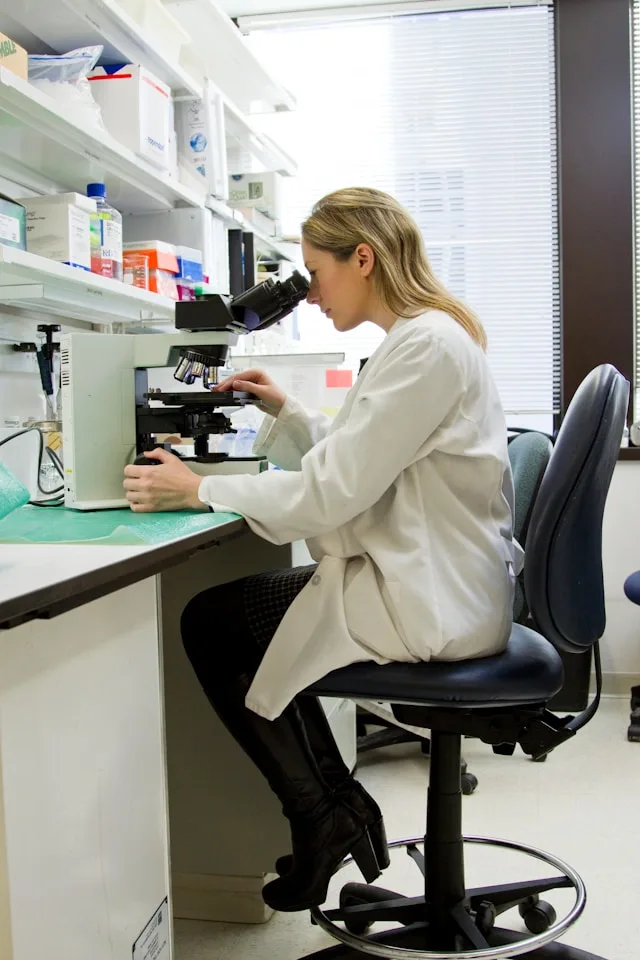
Chiesi Farmaceutici's €45 million cell therapy manufacturing expansion became operational in Parma in 2024. The facility produces lentiviral vectors for rare genetic diseases. It represents a bet on advanced therapy medicinal products that places this mid-sized Italian city at the centre of one of Europe's most specialised manufacturing disciplines. And it needs people the local market cannot provide.
The gap is specific. Parma's pharmaceutical sector employs approximately 4,800 professionals directly, with another 2,200 in affiliated medical devices and diagnostics. Chiesi alone plans to add 300 specialised roles by the end of 2026, primarily in bioprocess engineering and regulatory affairs. Regional labour market analysis from Unioncamere Emilia-Romagna suggests the local talent pool can supply only 60 to 70 percent of that demand without inward migration. The remaining 30 to 40 percent must come from somewhere else, at a time when every comparable cluster in Europe is recruiting from the same finite pool.
What follows is a ground-level analysis of what makes Parma's pharmaceutical talent market different from other European life sciences hubs, where the hiring pressure is most acute, why the city's strengths as a place to live and work are not translating into recruitment success at the specialised end, and what organisations operating here need to understand before launching their next senior search.
The Dual-Anchor Structure That Defines This Market
Parma's pharma cluster is often described as a Chiesi story. That description is incomplete. The city operates on a dual-anchor model where the multinational and the University of Parma function as co-dependent pillars rather than a single centre of gravity with satellites.
Chiesi Farmaceutici employs approximately 1,800 people directly in Parma and supports roughly 800 more through contracted services. That represents 35 to 40 percent of the province's direct pharmaceutical manufacturing and R&D workforce. The company's global headquarters sits here, along with its primary R&D centre for respiratory and rare diseases and its expanding biologics manufacturing operation.
The University of Parma, meanwhile, generates €120 million annually in research contracts and hosts over 3,500 students in medical and pharmaceutical disciplines. Its Department of Medicine and Surgery produces 180 or more pharmaceutical chemistry graduates each year. In late 2024, the university launched the Parma Health Valley innovation hub, co-funded with €12 million from Italy's National Recovery and Resilience Plan, designed to bridge academic research and industrial commercialisation.
Why Co-Dependence Creates Fragility
This dual-anchor structure produces a paradox. Chiesi provides the commercialisation pathway for university research. The university provides the talent pipeline and basic science. Neither can function at full capacity without the other. But neither operates at a scale that creates the redundancy you find in larger clusters. Boston's biotech ecosystem, for comparison, contains dozens of large employers and hundreds of startups competing for the same graduates, which creates churn but also resilience. Parma's model is efficient when conditions are stable. When one anchor scales rapidly, as Chiesi is doing now with its ATMP expansion, the system's capacity to respond is constrained by the other anchor's output cycle. University graduation timelines do not compress to match corporate hiring plans.
The specialised supplier ecosystem that exists in Basel or Cambridge is thinner here. According to Farmindustria's 2024 report on the Emilia-Romagna biopharmaceutical district, the cluster is characterised by horizontal integration rather than deep vertical supply chains. Chiesi absorbs local chemical-pharmaceutical engineering talent. The university feeds research into Chiesi's pipelines and into independent spin-offs. But the density of dedicated biotech suppliers, contract research organisations, and specialist service firms that create a self-sustaining talent market is lower than in Europe's most established life sciences centres.
This matters for hiring because it means there is no deep bench. When a search for a senior bioprocess engineer stalls in Boston, there are dozens of firms where qualified candidates might be found. When the same search stalls in Parma, the options narrow quickly to Chiesi itself, ICON's local CRO operation, and a handful of smaller employers. The rest must be recruited from outside.
Three Roles Where the Gap Is Most Acute
Not every pharmaceutical role in Parma is hard to fill. Entry-level clinical research positions, quality control technicians, and general manufacturing operators can be sourced locally with reasonable effort. The crisis, and it is a crisis, sits in three specific categories where demand has outstripped supply structurally.
ATMP and GMP Manufacturing Specialists
The first and most severe shortage is in advanced therapy medicinal product manufacturing. Engineers with experience in cell and gene therapy production under GMP Annex 1 guidelines are the critical bottleneck. These professionals must understand cell culture scale-up, viral vector production, and Quality by Design implementation, a combination of skills that barely existed as a job description five years ago.
Recruitment data from Michael Page Italy and Assobiotec's 2024 competency survey indicate that senior bioprocess roles at Director level and above remain unfilled for 8 to 12 months on average in the Emilia-Romagna region. Traditional small-molecule manufacturing director searches, by contrast, close in 3 to 4 months. Employers including Chiesi and specialised CDMOs operating in the region report extending search parameters to Switzerland and the UK after six months of local vacancy.
The passive candidate ratio in this category is extreme. An estimated 85 to 90 percent of qualified candidates for Director-level ATMP manufacturing positions are currently employed and not actively seeking new roles. The active candidates in this space are typically either relocating geographically or exiting academic postdocs without the industry experience these roles require. A direct headhunting approach is not optional here. It is the only method that reaches the candidate pool.
Regulatory Affairs Strategists for Rare Diseases
The second shortage category is regulatory affairs professionals with specific expertise in EMA orphan drug designation pathways. The implementation of EU Pharmaceutical Package revisions, anticipated to take effect during 2025, has intensified demand for regulatory strategists who understand the evolving rare disease filing environment, according to EFPIA's policy outlook.
Experienced Regulatory Affairs Managers with seven or more years of orphan drug filing experience receive three to four competing offers simultaneously upon entering the market, according to Randstad Italy's 2024 pharma talent trends survey. Italian pharma employers in Parma report offering retention bonuses of 15 to 20 percent above base salary to prevent attrition toward Milan-based competitors. The passive-to-active ratio in this category sits at approximately 4:1. Professionals with successful EMA orphan drug designation filings are almost exclusively passive, with average tenures of 6.8 years in their current roles.
Clinical Data Scientists
The third gap, narrower but growing, is in clinical data science. Biostatisticians capable of managing real-world evidence for respiratory device registration are increasingly critical as regulators demand post-market data to support product approvals. The market here is more balanced than in the other two categories. LinkedIn Talent Insights data for Emilia-Romagna shows a roughly 50-50 passive-to-active split overall, though experienced biostatisticians with eight or more years trend toward 70 percent passive.
What connects all three shortages is a single underlying dynamic. The investment in advanced manufacturing and AI-driven drug discovery capabilities has moved faster than the human capital required to operate it. Parma now has facilities, regulatory obligations, and pipeline commitments that demand people the local education system has not yet produced in sufficient numbers and the international market is not releasing.
The Compensation Paradox: Lower Than Milan, Higher in Real Terms
Parma's pharmaceutical compensation structure creates a puzzle that hiring leaders must understand before structuring offers. On paper, Parma pays less. In practice, the value proposition is more complex.
Total cash compensation in Parma tracks 5 to 8 percent below Milan equivalents for comparable roles, according to salary surveys from Hays Italy and PageGroup. A Head of ATMP Manufacturing in Parma commands €130,000 to €165,000 base, with total cash compensation of €160,000 to €210,000 including performance bonuses and long-term incentives. The same role in Milan would sit 15 to 25 percent higher.
But Milan's housing costs run 40 percent above Parma, according to Immobiliare.it's Q3 2024 residential market report. A candidate comparing a €180,000 total cash offer in Parma against a €210,000 offer in Milan is not comparing like with like. Purchasing power adjustments narrow the gap considerably, and for candidates with families, Parma's quality of life, shorter commutes, and lower daily costs can tip the balance.
The problem is Switzerland. Basel and Zurich offer salary differentials of 80 to 120 percent for equivalent senior roles, according to Science Industry Switzerland's 2024 salary survey. This premium is too large for purchasing power adjustments to bridge. Switzerland primarily drains the top 5 percent of specialised talent, specifically ATMP specialists and executive regulatory leaders, rather than mid-level professionals. But these are precisely the profiles where Parma's shortage is most acute.
For hiring leaders, the practical implication is this: compensation benchmarking in Parma must account for three separate competitive dynamics. The local market, where Parma is competitive. The Milan market, where Parma can compete on adjusted terms with the right messaging. And the Swiss market, where compensation alone cannot close the gap and the offer must include something Switzerland cannot provide: scientific autonomy, B Corp culture alignment, or access to an early-phase pipeline that larger firms cannot match. Senior candidates in this market typically require three to six months of engagement before considering a move, with work-life balance and scientific autonomy cited as primary attractors over pure pay.
The Brain Drain That Shapes Everything
Here is the original synthesis this article offers, the point the data implies but does not state directly: Parma's talent crisis is not primarily a demand problem. It is a retention-of-the-pipeline problem. The city educates the people it needs and then loses them before they gain the experience that makes them valuable.
Emilia-Romagna loses approximately 12 percent of its pharmaceutical sciences graduates to Switzerland, the UK, and US markets within five years of graduation, according to a 2023 report from CRUI, Italy's conference of university rectors. That represents roughly €40 million in educational investment flowing outward annually. The University of Parma produces 180 pharmaceutical chemistry graduates each year. If the regional attrition rate applies, roughly 22 of those graduates will leave within five years, taking with them precisely the foundational training that, combined with industry experience, would eventually produce the senior bioprocess engineers and regulatory affairs strategists the market desperately needs.
The pipeline does not just leak at the junior end. The mobility patterns visible at the senior level reflect the same dynamic playing out over a longer timeframe. A bioprocess engineer who graduated from UniPR, spent three years at Chiesi, then moved to Novartis in Basel for a 100 percent salary increase, is not coming back for a 5 percent premium over their Parma starting salary. They are now a Basel professional. Recruiting them requires a proposition that acknowledges their Basel-level compensation expectations while offering something Basel cannot: proximity to a pipeline they helped build, autonomy within a B Corp structure, or a leadership role that a larger Swiss institution would not offer for another decade.
This dynamic explains why Chiesi's B Corp retention strategy works for its general workforce but struggles with its most specialised profiles. According to Chiesi's own B Corp Impact Report, the company scores above industry averages in employee engagement and wellbeing metrics. Flat hierarchies, impact-linked bonuses, and an emphasis on work-life balance create genuine loyalty. But the ATMP manufacturing talent market exhibits hyper-mobility, with average tenures of 18 to 24 months for senior bioprocess engineers due to cross-border recruitment. The most sticky employer culture in Parma cannot hold the most mobile technical talent in Europe. The retention tools that work for 95 percent of the workforce are not calibrated for the 5 percent whose departure threatens the manufacturing expansion timeline.
Physical and Regulatory Constraints Compounding the Talent Pressure
The talent supply problem would be more manageable if Parma could simply build more capacity and attract more employers to diversify the base. It cannot, and the reasons are both physical and bureaucratic.
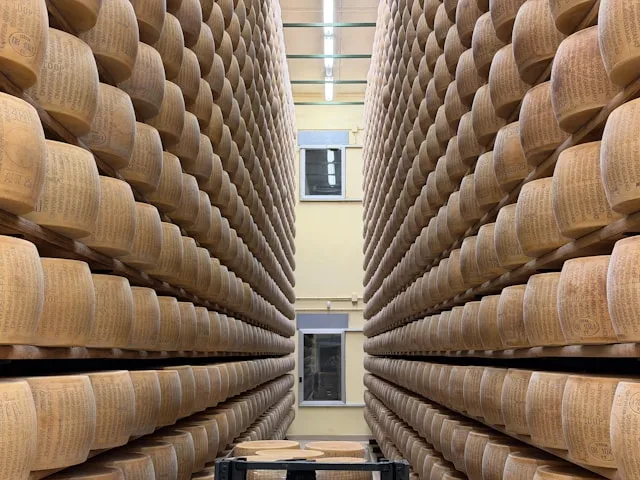
Parma's historic city centre and protected agricultural zones, including the Parmigiano-Reggiano production area, restrict greenfield expansion of biotech manufacturing. Available industrial land in the Parma Technopole area is 85 percent occupied as of late 2024, according to the Parma Chamber of Commerce. This is not an abstract planning constraint. It means that new entrants to the cluster, startups, CDMOs, or international firms considering satellite operations, face a physical bottleneck in securing suitable facilities.
Italy's clinical trial approval process adds another layer of friction. AIFA, the Italian medicines agency, averages 52 days for multinational clinical trial approvals, compared to 37 days in Germany and 28 days in the Netherlands, according to EFPIA's Patient W.A.I.T. Indicator report. For ICON's 400-person CRO operation in Parma, this timeline differential affects throughput and, by extension, the business case for expanding local headcount versus routing trials through faster jurisdictions.
The PNRR Absorption Risk
The most consequential regulatory risk may be financial. Italy's PNRR allocated €700 million for biotech innovation hubs nationally. Emilia-Romagna's absorption rate stands at 62 percent, according to the Ministry of Economy and Finance's November 2024 PNRR progress report. Unspent funds face clawback by 2026. The Parma Health Valley initiative, funded with €12 million from this programme, depends on timely absorption. If the region cannot deploy these funds into operational research infrastructure, the planned bridge between university output and industrial commercialisation will be delayed precisely when it is most needed.
The combination of physical space constraints, regulatory processing delays, and PNRR absorption risk creates an environment where solving the talent problem through organic ecosystem growth is slow. The cluster cannot easily attract new employers to diversify the talent base. It cannot dramatically accelerate clinical trial throughput to justify rapid CRO expansion. And it may not deploy national investment funds quickly enough to bridge the gap between academic output and industrial need. Every constraint funnels pressure back toward the same solution: finding and recruiting the specific individuals the market needs from outside the cluster, one search at a time.
What This Means for Hiring Leaders Operating in Parma
The conventional approach to pharmaceutical hiring in a mid-sized Italian city, posting a role, screening applications, interviewing active candidates, does not work for the three critical categories outlined above. The mathematics are straightforward. When 85 to 90 percent of qualified ATMP manufacturing leaders are passive, and the local pool is structurally insufficient to meet even 70 percent of demand, a method that only reaches active candidates is reaching, at best, one in ten viable professionals.
The searches that succeed in this market share common features. They begin with talent mapping that identifies where qualified candidates actually sit, which in Parma's case means Chiesi itself, a small number of CDMOs in Emilia-Romagna, and a dispersed set of employers in Basel, Cambridge, and the US. They account for engagement timelines of three to six months for senior passive candidates. They structure offers that address the specific calculation each candidate faces: the Milan candidate weighing a lifestyle upgrade against a nominal pay cut, the Basel candidate weighing a 50 percent salary reduction against scientific autonomy and leadership scope, the academic postdoc weighing industry compensation against research freedom.
The cost of getting this wrong is not abstract. Chiesi's ATMP manufacturing expansion timeline depends on filling senior bioprocess engineering roles. Every month a Head of ATMP Manufacturing position remains vacant is a month of delayed pipeline scaling. In a rare disease portfolio where patient populations are small and regulatory windows are time-sensitive, that delay carries clinical consequences beyond the commercial ones.
For organisations competing for cell therapy, regulatory, and clinical data science talent in Parma's concentrated pharmaceutical market, where the candidates who matter most are employed, passive, and receiving competing approaches from Swiss and UK recruiters, reach out to our executive search team to discuss how a direct search methodology built for passive candidate markets delivers interview-ready shortlists within 7 to 10 days. KiTalent's pay-per-interview model means organisations only invest when they meet qualified candidates, and a 96 percent one-year retention rate ensures those candidates stay.
Frequently Asked Questions
What makes Parma's pharmaceutical talent market different from Milan's?
Parma's market is defined by concentration rather than breadth. Chiesi Farmaceutici accounts for 35 to 40 percent of the province's direct pharma workforce, creating a dual-anchor system with the University of Parma that lacks the employer diversity found in Milan. Compensation runs 5 to 8 percent below Milan in nominal terms, but purchasing power is higher due to housing costs 40 percent lower than the Lombardy capital. The critical difference for hiring leaders is that Parma's specialised talent pool is smaller and more passive, with 85 to 90 percent of senior ATMP manufacturing candidates not actively on the market.
Which pharmaceutical roles are hardest to fill in Parma in 2026?
Three categories face acute shortages. ATMP and GMP manufacturing specialists, particularly engineers experienced in cell and gene therapy production, average 8 to 12 months to fill at Director level. Regulatory affairs strategists with orphan drug and rare disease EMA filing expertise are almost exclusively passive candidates. Clinical data scientists specialising in real-world evidence for device registration round out the critical gap. All three shortages reflect the same underlying problem: capital investment in manufacturing capacity has outpaced the development of qualified professionals to operate it.
How does Chiesi Farmaceutici's B Corp status affect its ability to hire?
Chiesi's B Corp certification creates a genuine retention advantage for general staff through emphasis on employee wellbeing, flat hierarchies, and impact-linked incentives. For the most specialised technical profiles, however, the retention effect is limited. Senior bioprocess engineers in the ATMP manufacturing market exhibit average tenures of 18 to 24 months due to cross-border recruitment from Swiss and UK employers offering 80 to 120 percent salary premiums. Cultural alignment is a powerful secondary attractor, but it does not override compensation gaps of that magnitude for hyper-mobile specialist talent.
What compensation should organisations expect to offer for senior pharma roles in Parma?
Total cash compensation for executive-level roles in Parma ranges from €135,000 to €210,000 depending on function. A Head of ATMP Manufacturing commands €160,000 to €210,000 total cash. A VP of Regulatory Affairs sits at €145,000 to €195,000. Clinical Development Directors earn €135,000 to €175,000. These figures trail Milan by 15 to 25 percent but offer higher real purchasing power. Accurate salary benchmarking against both domestic and Swiss competitors is essential before structuring offers.
How can companies access passive pharmaceutical candidates in Parma?
With up to 90 percent of senior ATMP manufacturing candidates classified as passive, traditional job advertising reaches only a fraction of the viable talent pool. Successful searches in this market require proactive identification of candidates through talent mapping, direct engagement over extended timelines, and offer structures that address the specific motivations of each candidate segment. KiTalent's AI-enhanced direct search methodology identifies and engages these passive professionals, delivering interview-ready candidates within 7 to 10 days rather than the 8 to 12 month timelines common for conventional approaches.
What role does the University of Parma play in the pharma talent pipeline?
The University of Parma produces over 180 pharmaceutical chemistry graduates annually and generates €120 million in research contracts. Its Parma Health Valley initiative, launched with €12 million in PNRR funding, aims to bridge academic research and industrial commercialisation. However, the region loses approximately 12 percent of pharmaceutical sciences graduates to international markets within five years. This attrition means the university's output, while substantial, does not fully translate into the experienced mid-career and senior professionals that employers like Chiesi need for specialised leadership positions in the near term.