
The buyer question
We need production-automation, industrial-software or digitalisation leadership in Biel/Bienne; what does the verified record say about this market and how should a mandate here be structured?
What the public record shows
The verified public record for Biel/Bienne is anchored by the city's Wikipedia article. Biel/Bienne - official bilingual wording - is a bilingual city and municipality in the canton of Bern; with over 55,000 residents it is the country's tenth-largest city by population, and the urban area has a population of around 100,000. The city lies at the foot of the first Jura mountain range on the northeastern shores of Lake Biel, guarding the only practical connection to the Jura, and it sits on the language boundary: at the last census reading, 43.2% of residents declared French alongside the German-speaking majority.
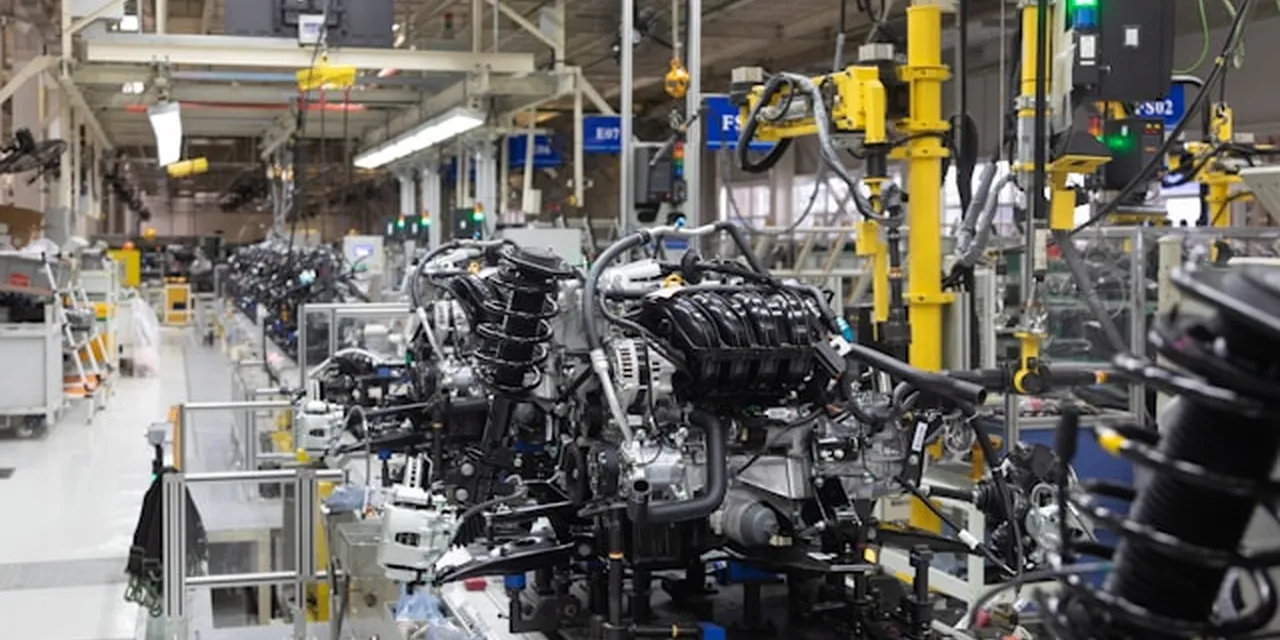
The industrial record is long and specific. The city has been an industrial and watchmaking heart of Switzerland since the 19th century, with Rolex, Omega and Swatch based in Biel/Bienne, making it one of the main centres of the Swiss watch industry and a place referred to as the 'world capital of watchmaking'. The same record notes that the city and surrounding area are home to companies that design and manufacture specialised machinery and precision tools, and that between 1936 and 1975 General Motors Suisse assembled over 300,000 automobiles there - two facts that together document both the precision-machinery base and the automation-era manufacturing depth that Industry 4.0 roles build on.
The third verified strand is the reinvention: in recent years the city has used its linguistic assets as an economic advantage, becoming the Swiss City of Communication, with several call centres created in and around Biel alongside the traditional businesses that have always exported most of their production worldwide. The group-level anchor above the city is equally verifiable: the Swatch Group, with its roots in the city's watch industry, is the largest watch company in the world and employs about 31,000 people in 50 countries. What the record does not contain is any verified count of mechatronics employment, patent filings, order backlogs, vacancy rates or unemployment rates - the scarcity arithmetic must be argued from structure, not quoted.
What changes in this market
A Biel/Bienne Industry 4.0 mandate is a bilingual precision-machinery mandate. The language boundary runs through the middle of the labour market, so monolingual searches halve their own pool - a rule the validated watchmaking and precision-engineering analyses for this city already established. Candidates prove themselves by bridging production-floor automation with industrial software inside small and mid-sized exporters, and the bilingual-plus-communication-services economy gives the city an unusual secondary pool of customer-facing, language-skilled staff that digitalisation programmes can draw on for training and support roles. Pay is set inside the cross-cantonal Swiss market, with Neuchâtel, Bern and Zürich employers recruiting the same automation profiles.
KiTalent's mandate analysis
- Production-automation engineering: the specialised-machinery and precision-tool firms documented in the city record need controls, robotics-integration and industrialisation engineers; screening should verify bilingual working ability and tolerance-critical production exposure rather than process-industry automation alone.
- Industrial software and data roles: digitalisation inside precision exporters rewards candidates who can deliver manufacturing-execution and IIoT systems in dual-language shop-floor environments; the bilingual requirement is a genuine filter, not a preference.
- Watch-industry Industry 4.0: with Rolex, Omega and Swatch documented as based in the city and the Swatch Group employing about 31,000 people across 50 countries, watch-manufacturing digitalisation mandates have group-scale career paths attached - counter-offer risk should be assessed at shortlist, not at offer.
- Communication-services crossover: the documented Swiss City of Communication economy supplies language-skilled operational staff; smart mandates use it for training, documentation and support roles around automation programmes instead of competing for scarce engineers.
- Cross-cantonal benchmarking: with roughly 100,000 people in the urban area and Bern, Neuchâtel and Zürich all within Swiss commuting-and-relocation reach, offers should be tested against national benchmarks - a benchmark to verify, not a floor the record proves; a city-only search is structurally under-scoped.
Where the public record stops
Claims beyond the dated public record are not repeated on this page. The verified record above - bilingual tenth-city scale, the machinery-and-watchmaking base, the GM assembly era, the communication-services reinvention and the Swatch Group's 31,000-person global scale - argues the structure without invented employment, patent, backlog or vacancy statistics.
Sources
- Wikipedia - Biel/Bienne (bilingual industrial city record)
- Wikipedia - Swatch Group (corporate anchor record)
Related KiTalent research
- The Market Map Is Not the Shortlist: helps a buyer decide whether a Biel/Bienne Industry 4.0 mandate is really a production-automation, industrial-software or watch-manufacturing digitalisation search, and how to scope it bilingually and cross-cantonally
- How to Assess a Leader Beyond Competencies: shows how to gather decisional evidence for this mandate - the research method behind testing bilingual verification, tolerance-critical automation records, group counter-offer risk and communication-services crossover staffing - with candidate evidence assessed conversation by conversation