
The buyer question
Can a Liège steel or advanced-materials mandate - process metallurgy, coating technology or materials R&D - be filled in this post-restructuring market, and what does the public record actually prove?
What the public record shows
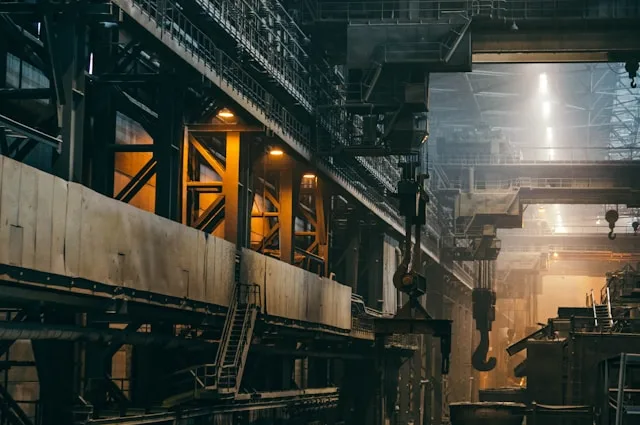
The verified public record for Liège is anchored by the city's Wikipedia article. Liège is the most important city of the Walloon region from an economic perspective and was one of the most important industrial centres in Europe, particularly in steel-making, with John Cockerill extensively developing the iron and steel industry from 1817 - and the industrial complex of Seraing was, in the same record's words, the largest in the world. The same article describes the transition layer: an important group of high-technology headquarters such as Techspace Aero, manufacturing for the Airbus A380 and the Ariane 5 rocket, and an educational hub whose University, founded in 1817, has 20,000 students.
Read alongside the sibling analyses on this site of Liège industrial engineering and Liège air cargo, steel and advanced materials is the heritage layer of the same regional economy: the basin that Cockerill built, now recruiting process and materials specialists beside the aerospace and logistics employers the sibling records document.
Neither the steel heritage nor the high-technology description measures what a hiring leader needs to know: whether process metallurgists, coating specialists or materials researchers are available at a given seniority in a given quarter, or what the post-restructuring workforce actually looks like. That requires a search with contacted, assessed and validated candidates.
What changes in this market
Employers in Liège's steel and advanced-materials base recruit from a steel-town inheritance where plant experience runs deep, and from a graduate pipeline anchored by the university's 20,000 students, beside the aerospace and logistics employers the sibling records document. The age structure of that heritage workforce, and how hard finishing-and-materials mandates compete with aerospace and logistics for the same technical graduates, are not measured in the public record located for this page; they are questions a mandate here answers with candidate evidence. Each function, phase and stage of a mandate - process metallurgy, coating technology, materials R&D - proves itself against that heritage structure rather than against a national average.
KiTalent's mandate analysis
- Frame the mandate by process stage before the search: process metallurgy, coating and finishing technology, and materials research certify differently and draw on different segments of the Walloon pool.
- Treat the heritage workforce as senior by default: a basin defined by Cockerill's iron and steel industry since 1817 holds deep plant experience - plan succession and knowledge transfer into the mandate.
- Recruit from the university pipeline deliberately: a 20,000-student institution defines the local materials-science pipeline; senior specialists must be retained from the employers who trained them.
- Ask any search partner for contacted, assessed and validated candidates per specialism before accepting restructuring narratives as evidence of availability.
Where the public record stops
No located primary public record verifies closure narratives, unemployment rates, vacancy counts, vacancy-growth percentages or ratio statistics. What the city's public record can prove stands above.
Sources
Related KiTalent research
- The Market Map Is Not the Shortlist: helps a buyer choose between testing the Liège steel and materials market and commissioning a search with contacted, assessed and validated candidates
- How to Assess a Leader Beyond Competencies: shows how to gather decisional evidence for this mandate - the research method behind testing process stage, heritage-workforce seniority and university pipeline - with candidate evidence assessed conversation by conversation