
The buyer question
For a Bordeaux wine mandate, which side of the structure does the role serve — estate viticulture through low-yield vintages and vineyard restructuring, winemaking, or the commercial and négociant side facing declining exports — and which results will the candidate personally own?
What the public record shows
The market reality is CIVB-president record: 2024 delivered one of the lowest harvests on record — around 3.3 million hectolitres, down 14 percent on 2023 against a long-term average of 4.2 million hectolitres — described as mainly down to meteorological circumstances over which the industry has little control. Since 2019 the region has faced dwindling exports to China, the Covid fallout, economic uncertainty and a succession of poor vintages from drought, frost and hail.
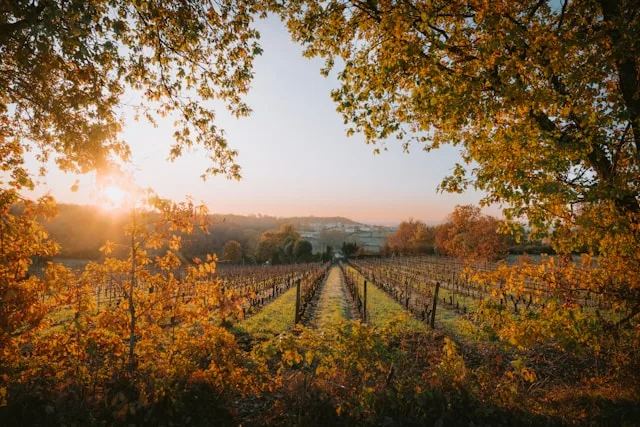
The structural response is equally documented: through a major grubbing-up programme to balance supply and demand, the Gironde region has removed 9,500 hectares of vineyards — an 8 percent reduction to 94,700 hectares, a level not seen for almost 30 years. Harvest, market and restructuring facts document the industry's state; they say nothing about any employer's candidate pool, wages or vacancy duration.
What changes in this market
Bordeaux wine mandates split by side of the structure, and evidence does not transfer. Estate and vineyard mandates prove themselves in yields and grape quality managed through climatic volatility, and in restructuring decisions executed where vines are being removed. Winemaking mandates prove themselves in vintages produced at low-volume scale in difficult years. Commercial and négociant mandates prove themselves in markets held and diversified amid declining exports. A brief that says 'wine experience in Bordeaux' selects none of these tests — particularly now, when the industry's defining work is managing less: fewer hectares, lower volumes, redirected demand.
KiTalent's mandate analysis
- Name the side of the structure — estate viticulture, winemaking, or commercial and négociant — because outcomes evidence differs completely.
- For vineyard mandates, ask for yield and quality records through climatically difficult vintages, and any restructuring executed.
- For winemaking mandates, ask for vintages produced at reduced scale without quality loss.
- For commercial mandates, ask for markets held or diversified against declining traditional export flows.
- Treat harvest volumes and hectare reductions as industry facts; test compensation and candidate availability against the live mandate.
Where the public record stops
The cited source is The Buyer's interview with the president of the CIVB (Bordeaux Wine Council). It documents harvest volumes, market headwinds and the grubbing-up programme — not candidate availability, compensation or time-to-hire for any Bordeaux employer. Test those points against the live mandate.
Sources
- The Buyer / CIVB president: 2024 harvest volume
- The Buyer / CIVB president: market headwinds since 2019
- The Buyer / CIVB president: Gironde vineyard reduction
- The Buyer / CIVB president: meteorological causation
Related KiTalent research
- The Market Map Is Not the Shortlist: why market coverage and candidate assessment are separate decisions in an executive-search mandate
- How to Assess a Leader Beyond Competencies: a practical framework for testing judgment, evidence and operating context after the brief is defined