The buyer question
Which decisions define the Dubrovnik hospitality mandate — heritage city-hotel operations inside the World Heritage site, cruise and arrival services, or festival and events delivery — and which outcomes will the candidate personally own?
What the public record shows
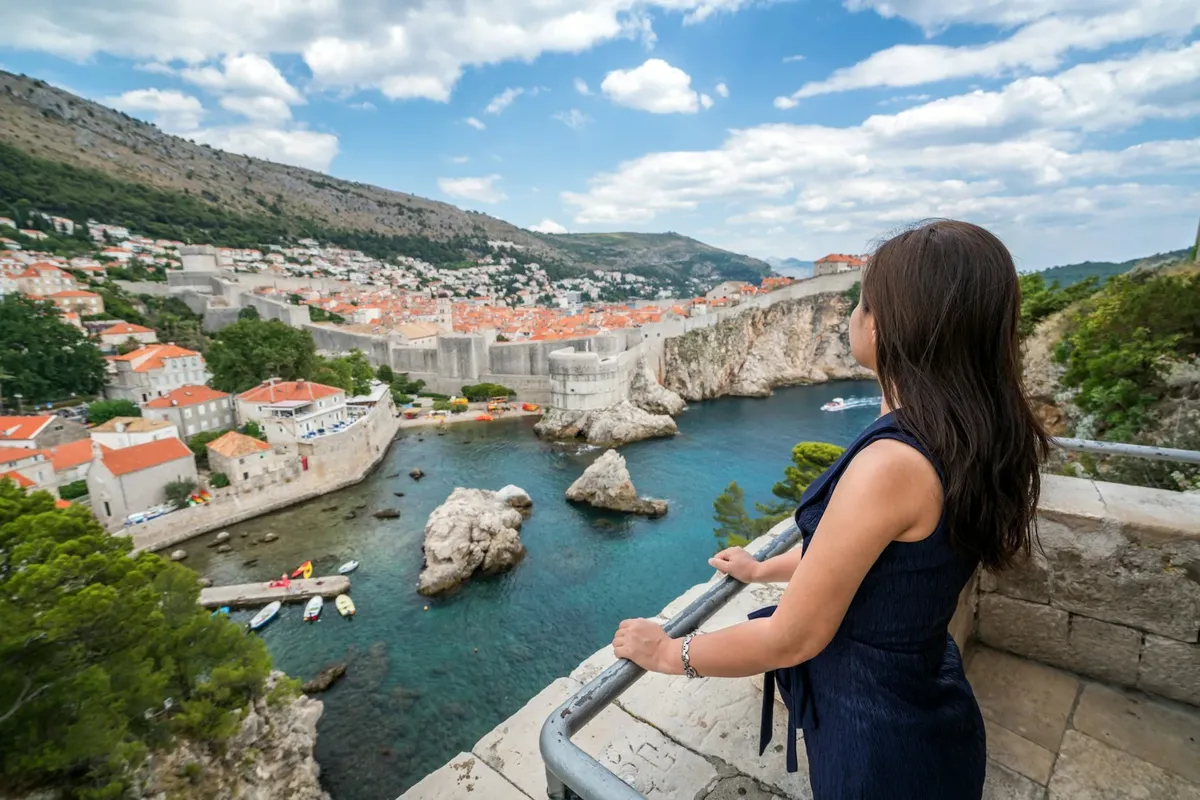
The heritage anchor is documented: Dubrovnik joined the UNESCO list of World Heritage Sites in 1979, tourism income was pivotal in the city's post-war development including its airport, and the Dubrovnik Summer Festival has run since 1950 (record via Wikipedia). That documents the heritage-visitor economy; it does not report vacancies, pay or candidate availability for any Dubrovnik employer.
Dubrovnik's own visitor volumes are on the record: the Croatian Bureau of Statistics counted 2.17 million arrivals and 8.41 million nights in commercial accommodation in Dubrovnik-Neretva County in 2025, both marginally up on 2024. Venice's stay-tax and visitor statistics measure a different city's market and are not used here.
This record describes the heritage economy. It does not measure an addressable candidate pool, compensation or vacancy duration for a particular Dubrovnik employer.
What changes in this market
Dubrovnik hospitality mandates split by format and constraint, and the evidence that proves one rarely proves another. Heritage city-hotel mandates prove themselves in occupancy and review outcomes inside conservation-constrained operations. Cruise and arrival mandates prove themselves in calls and passengers served within the city's capacity limits. Festival and events mandates prove themselves in festivals delivered to audience and budget inside a living World Heritage site. A brief that does not name the format treats a resort operator for a conservation-constrained hotelier or a coach operator for a festival director.
KiTalent's mandate analysis
- Name the format first — heritage city hotel, cruise and arrivals, or festival and events.
- For hotel mandates, ask for occupancy and review outcomes inside conservation-constrained operations.
- For cruise mandates, ask for calls and passengers served within the city's capacity limits.
- For festival mandates, ask for festivals delivered to audience and budget inside the heritage site.
- Test location, mobility, compensation and timing against the live mandate; the heritage and class records do not establish them.
Where the public record stops
The cited sources document Dubrovnik's UNESCO heritage-visitor economy (record via Wikipedia) and the county's counted visitor volumes. They do not measure candidate availability, compensation, vacancy duration or offer outcomes for a particular Dubrovnik employer. Test those points against the live mandate.
Sources
- Dubrovnik UNESCO heritage record (via Wikipedia)
- UNESCO World Heritage Centre - Old City of Dubrovnik, inscribed 1979
- Croatian Bureau of Statistics - Tourist Arrivals and Nights in Commercial Accommodation, 2025, Dubrovnik-Neretva County
Sources verified against the live public record on 30 September 2026: the UNESCO listing for the Old City of Dubrovnik, the Wikipedia city record cited through, and the Croatian Bureau of Statistics' 2025 commercial-accommodation release. Every figure on this page comes from those records; the vacancy, pay and candidate-availability numbers a hiring leader actually needs are not published, and any claim of availability requires a commissioned search with contacted, assessed and validated candidates.
Related KiTalent research
- The Market Map Is Not the Shortlist: helps a buyer choose between testing the Dubrovnik market and commissioning a search with contacted, assessed and validated candidates
- How to Assess a Leader Beyond Competencies: the method for testing leadership evidence, applied here across heritage-hotel, cruise and festival mandates