
The buyer question
Can a Plzeň rolling-stock mandate - vehicle engineering, signalling and control, or production - be filled in this Škoda engineering city, and what does the public record actually prove?
What the public record shows
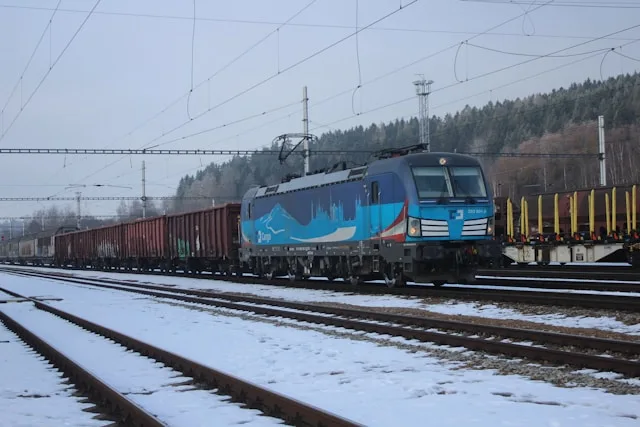
The verified public record for this market is anchored by the Wikipedia article on Škoda Transportation, beside the Plzeň city record already used across this site's coverage. Škoda Transportation is part of the Škoda Group, which includes companies across mechanical and electrical engineering - Škoda Electric, Škoda Vagonka, Škoda Pars, Škoda Transtech in Finland, Škoda ICT and more - with the entire group recording nearly 3,500 employees in 2013 and over 6,500 employees with CZK 15.5 billion sales in 2021. The city record carries the heritage layer: nineteenth-century industrialisation made Plzeň home to the Škoda Works, one of the most important engineering companies in Austria-Hungary and later Czechoslovakia.
Read alongside the Czech engineering records on this site - the Brno and Olomouc analyses - Plzeň is the heavy-engineering pole: a rolling-stock group with production and engineering units across several countries recruiting from the same national pool of mechanical and electrical graduates, anchored in the city of the original Škoda Works.
Neither the group structure nor the dated employment figures measures what a hiring leader needs to know: whether vehicle engineers, signalling specialists or production professionals are available at a given seniority in a given quarter, or what any order book commits. That requires a search with contacted, assessed and validated candidates.
What changes in this market
Employers in Plzeň's rolling-stock sector prove themselves differently from Brno's second-city services market and from Ostrava's steel region: a group whose engineering units span multiple countries recruits vehicle, signalling and production professionals from the national mechanical-electrical pool that the Škoda Works built over a century and a half, export order books set production calendars that spike specialist demand at once, and Prague's capital market pulls senior engineers two hours east. Each function, phase and stage of a mandate here - vehicle engineering, signalling and control, production - proves itself against that heritage-group structure rather than against a national average.
KiTalent's mandate analysis
- Frame the mandate by discipline before the search: vehicle engineering, signalling and control, and production roles certify differently and draw on different segments of the national engineering pool.
- Treat the group map as the competitive set: with Škoda Electric, Vagonka, Pars and ICT units inside one group, the first rival bidder for an engineer may be an affiliate - recruitment must map the group first.
- Plan around order-book spikes: export-driven production calendars concentrate specialist demand - start searches at contract signature, not at production start.
- Ask any search partner for contacted, assessed and validated candidates per discipline before accepting order-book statistics as evidence of workforce availability.
Where the public record stops
No located primary public record verifies production-unit counts, order-book details, contract pre-qualification claims or posting-growth figures. What the company and city records can prove stands above, with their dates attached.
Sources
Related KiTalent research
- The Market Map Is Not the Shortlist: helps a buyer choose between testing the Plzeň rolling-stock market and commissioning a search with contacted, assessed and validated candidates
- How to Assess a Leader Beyond Competencies: shows how to gather decisional evidence for this mandate - the research method behind testing discipline split, group-internal competition and order-book-cycle timing - with candidate evidence assessed conversation by conversation